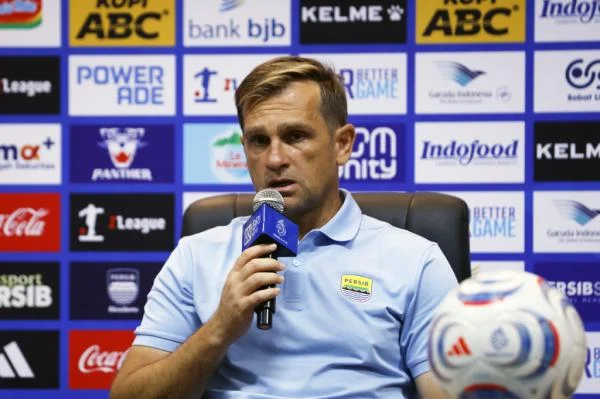
Persib Bandung is bracing for a critical test of endurance and tactical discipline as they prepare to face Java United in the ninth week of the Super League 2026-2027 season. Scheduled to take place at the historic Jatidiri Stadium in Semarang this Sunday, November 8, 2026, the match represents more than just a quest for three points; it is a desperate battle against fatigue for a squad that has been pushed to its absolute limits by a relentless continental and domestic calendar.
Head coach Igor Tolic, the Croatian tactician at the helm of the Maung Bandung, faces the unenviable task of balancing team performance with the physiological well-being of his players. Having just returned from an arduous campaign in Australia, the team’s preparation for the Semarang encounter has been anything but ideal. With 10 high-intensity matches played across all competitions in just 30 days, the club is currently navigating the most difficult phase of their 2026-2027 season.
A Brutal Schedule and the Logistics of Fatigue
The primary concern for the Persib coaching staff is the cumulative effect of travel and short turnaround times. The team’s most recent engagement saw them travel to Australia for a challenging AFC Champions League Two (ACL Two) fixture against Melbourne Victory. The logistics of the trip proved taxing, with the team facing a 18-hour transit journey involving both air travel and long-distance road transfers to return to Indonesian soil.
Sports science experts note that such travel-heavy schedules significantly increase the risk of injury and muscle fatigue. The lack of adequate recovery time—typically 72 hours between professional matches—means that players are often entering the pitch with compromised energy levels. For Persib, the situation is compounded by the mental fatigue that accompanies such travel, which can affect reaction times and focus during critical defensive phases.

Igor Tolic has been vocal about his cautious approach. "We are in a situation where we cannot afford to be reckless with the health of our players," Tolic reportedly noted in recent team briefings. His strategy for the Java United clash involves a meticulous assessment of each player’s recovery markers before finalizing the starting XI. The technical staff is relying heavily on GPS tracking data and heart-rate variability metrics to determine who is capable of sustaining the high-press style that has become the hallmark of Tolic’s tenure.
The Tactical Landscape: Java United vs. Persib Bandung
Java United, playing on their home turf at the Jatidiri Stadium, will look to capitalize on Persib’s physical vulnerability. In the Super League, home-field advantage is often magnified when the visiting team is battling mid-season burnout. Java United is expected to employ a high-tempo approach, aiming to force errors from a Persib side that may lack the sharpness seen earlier in the campaign.
The match at Jatidiri holds significant weight for the league table. Persib, currently vying for a top-three finish, needs a result to maintain pressure on the league leaders. A loss or a draw would not only drop points but could also shatter the momentum the team built during their domestic winning streak. Conversely, Java United enters the match looking to solidify their standing in the mid-table pack, and a victory against a giant like Persib would be a defining moment for their season.
The Human Element: Resilience Amidst Pressure
The emotional atmosphere within the Persib camp has been a focal point of recent media attention, particularly following the emotional breakdown of young goalkeeper Fitrah Maulana. After a critical error in a recent outing, the sight of the young shot-stopper in tears resonated with the fanbase and highlighted the immense pressure these players are under. The subsequent support shown by his teammates—rallied by veteran leaders—serves as a microcosm of the team’s current unity.
This collective resolve will be tested in Semarang. When physical legs fail, teams often look to mental fortitude to bridge the gap. Tolic has emphasized that the match against Java United will be won not just by tactical brilliance, but by the desire to overcome the external constraints of their punishing schedule.

Statistical Overview: The Burden of 30 Days
To understand the magnitude of the task ahead, one must look at the data:
- Matches Played: 10 official matches in 30 days.
- Average Recovery Time: Less than 65 hours per match.
- Travel Distance: Over 10,000 kilometers covered in international travel alone.
- Personnel Availability: Limited by minor knocks and cardiovascular fatigue.
This frequency of play is unprecedented in the modern Super League era, forcing clubs to deepen their squads. However, the reliance on a core group of starters in high-stakes ACL Two matches has limited Tolic’s ability to rotate his squad as much as he would prefer. The match on Sunday will require the bench players to step up and provide the necessary energy to sustain the intensity for the full 90 minutes.
Strategic Implications for the Future
The current situation faced by Persib Bandung serves as a stark reminder of the challenges Indonesian clubs face when competing simultaneously in domestic and international tournaments. The lack of a winter break and the logistical difficulties of long-haul travel remain structural hurdles for the development of Indonesian football.
If Persib manages to secure a victory in Semarang, it will be viewed as a testament to their professional culture and the efficacy of their recovery protocols. If they struggle, it will likely prompt a deeper conversation regarding the league’s scheduling and the necessity of improved support systems for teams representing the nation in the ACL Two.
For the fans, the message from the club is clear: the team is fighting against the calendar as much as they are fighting against their opponents on the pitch. The match against Java United is a defining moment. Will the fatigue prove too much, or will the Maung Bandung prove their mettle as one of the most resilient units in the country?

Looking Ahead to Kickoff
As the clock ticks toward the Sunday kickoff, the focus remains on the training pitch. The final sessions in Semarang are designed for recovery rather than high-intensity tactical drills, a clear sign that the management is prioritizing physical readiness over complex tactical adjustments.
The lineup for Sunday remains a closely guarded secret, though speculation suggests that Tolic may opt for a more conservative defensive structure to manage the team’s energy levels throughout the match. By sitting deeper and utilizing counter-attacks, Persib can minimize the running distance required, thereby mitigating the risk of late-game fatigue.
The match between Java United and Persib Bandung is more than a game of football; it is a battle of attrition. As both teams take the field at the Jatidiri Stadium, the eyes of the league will be fixed on the scoreline, waiting to see if the weight of the last month’s journey has finally caught up with the title contenders. Regardless of the outcome, the resilience displayed by the Persib squad in these 30 days has already earned them a level of respect, proving that in the world of professional sport, the most difficult victories are often the ones won off the pitch through sheer discipline and recovery.
As the Super League 2026-2027 enters its most intense phase, the lessons learned from this grueling week will undoubtedly shape the tactical and physical preparations for the remainder of the season. For now, the objective is singular: survival, performance, and the pursuit of three points in Semarang.