The official announcement regarding the rescheduling of the 2027 AFC Asian Cup has been received with optimism by the Football Association of Indonesia (PSSI), as the shift in the tournament calendar provides the Indonesian national team, known as the Skuad Garuda, with an expanded window to refine its tactical preparation. Originally slated to take place from January 7 to February 5, 2027, in Saudi Arabia, the tournament has been officially moved to a new window spanning December 23, 2027, to January 21, 2028. This adjustment grants participating nations, including Indonesia, nearly a full additional year to recalibrate their development programs, roster management, and high-intensity match conditioning.
Chronology of the Decision and Tournament Background
The AFC Asian Cup is the premier international football tournament in Asia, organized by the Asian Football Confederation (AFC). The 2027 edition marks the first time Saudi Arabia will host the prestigious competition, following the successful delivery of the 2023 tournament held in Qatar. The decision to shift the dates was not a unilateral choice but rather a collaborative resolution reached by the AFC and the host nation, aiming to ensure the best possible environment for players, officials, and spectators.
For Indonesia, the timeline is significant. Having navigated a rigorous qualification path, the Indonesian team is looking to solidify its position as a rising power in the Asian football landscape. The shift to a late-December start means that the preparation cycle now extends well into late 2027, allowing for a more deliberate integration of emerging talent and the refinement of the tactical philosophy implemented by the coaching staff.
Strategic Implications for PSSI and the Skuad Garuda
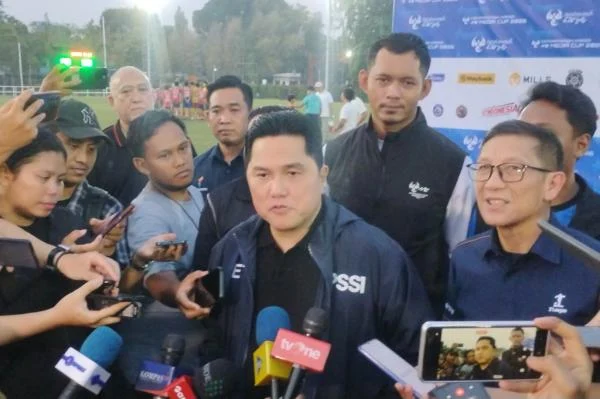
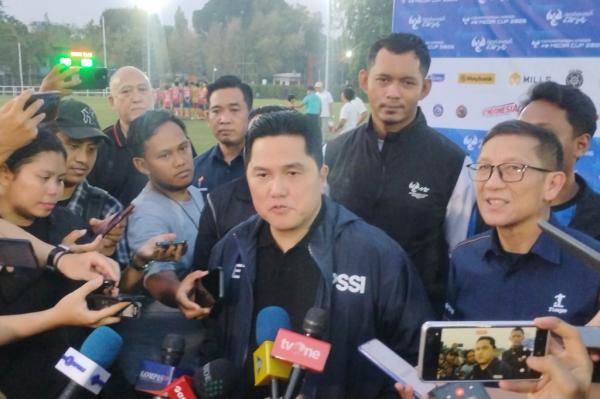
Erick Thohir, serving in his dual capacity as the Chairman of PSSI and the Minister of Youth and Sports, has characterized the delay as a net positive for Indonesian football. In a formal statement, Thohir emphasized that while Indonesia remains committed to the consensus reached by the AFC member nations, the practical outcome is an unexpected windfall for the national team’s technical staff.
"From my perspective, this is a consensus reached by all participating nations, and it is incumbent upon us to follow the collective agreement," Thohir stated. "However, I view this as an advantageous scenario for Indonesia because it allows our preparation period to be significantly more robust. We are essentially being given the gift of time to reach the physical and mental peak required for such a high-level continental stage."
This extra year provides PSSI with the flexibility to organize more high-profile FIFA friendly matches, conduct specialized training camps in diverse climates, and provide the coaching staff with the necessary data to analyze potential opponents. Furthermore, it offers a buffer for player recovery and fitness management, mitigating the risk of burnout for players who are simultaneously competing in demanding domestic and regional club leagues.
Analyzing the Competitive Landscape in Asia
To understand the weight of this preparation, one must analyze the current state of Asian football. The hierarchy of power in the AFC has become increasingly fluid. Historically dominated by nations such as Japan, South Korea, Iran, and Saudi Arabia, the gap between these established powerhouses and emerging nations like Indonesia has narrowed significantly in recent years.
Indonesia’s recent performances in international qualifiers have demonstrated a tactical evolution. By focusing on a blend of experienced veterans and a growing pool of diaspora players, the team has achieved greater defensive stability and increased efficiency in transition play. The additional time granted by the schedule change will likely be used to further develop these core competencies.
According to sports analysts, the primary benefit of the shift is the ability to sustain a long-term tactical cycle. Instead of rushing to build a cohesive unit for a January 2027 deadline, the team can now adopt a multi-phase approach:
- Phase One (Mid-2026 to Early 2027): Focus on squad experimentation and identifying the optimal starting XI through various international friendly matches.
- Phase Two (Mid-2027): Tactical hardening and specialized focus on the nuances of the host nation’s climate and pitch conditions.
- Phase Three (Late 2027): Peak performance conditioning and final roster solidification.
Challenges and the Need for Continuity
Despite the clear advantages, the rescheduling also introduces a set of challenges that PSSI must navigate. The most prominent is the synchronization of the international calendar with domestic leagues. Ensuring that the Indonesian league (Liga 1) schedule does not conflict with the national team’s preparation requires delicate negotiation. If the domestic season runs concurrently with the intensified preparation windows, the burden on players could increase, leading to fatigue.
Furthermore, the postponement necessitates sustained financial and administrative planning. PSSI must ensure that the funding and logistical support for the team remain consistent throughout the extended duration. There is also the constant variable of injury management; an extra year means a longer period during which key players are susceptible to injuries. Maintaining the health and form of the core squad will be the primary objective for the technical director and medical staff during this extended lead-up.
The Broader Impact on Indonesian Football Development
Beyond the immediate goal of the 2027 AFC Asian Cup, this extra time serves the broader goal of long-term football development in Indonesia. PSSI has been actively working on improving the youth pipeline, grassroots infrastructure, and coaching certification standards. The focus on the national team’s success in 2027 is part of a larger roadmap to make Indonesia a permanent fixture in the top tier of Asian football.
By securing a longer runway for the senior squad, PSSI can potentially use the momentum generated by international matches to boost domestic interest. Public support for the national team has surged in recent years, and maintaining this enthusiasm through consistent, high-quality performances is vital for the commercial and cultural health of the sport in the country.
Official Responses and Future Outlook
While there have been minor disruptions to the immediate schedule—such as the cancellation of planned matches against nations like Jordan—PSSI has already initiated "Plan B" strategies. These involve securing alternative opponents of similar caliber to ensure that the team continues to face competitive pressure. This proactive approach underscores the administration’s commitment to not letting the calendar change result in a period of inactivity.
As the international football community looks toward the 2027 tournament, all eyes will be on how various federations utilize this additional time. For Indonesia, the message from the leadership is clear: the delay is not a hindrance but a strategic opportunity. The national team is expected to enter the tournament in Saudi Arabia with a level of tactical maturity and physical readiness that would have been difficult to achieve under the original, more compressed timeline.
In conclusion, the rescheduling of the 2027 AFC Asian Cup acts as a catalyst for growth within the Indonesian national team. By capitalizing on the extended preparation window, the team has the potential to move beyond mere participation and establish itself as a formidable competitor. With the support of PSSI, the guidance of the coaching staff, and the resilience of the players, the Skuad Garuda is positioning itself to make a significant impact on the continental stage. The coming months will be defined by rigorous preparation, strategic planning, and the pursuit of excellence as Indonesia prepares to test its mettle against the best in Asia.