The complex and protracted geopolitical landscape of the Middle East has once again been cast into the spotlight following explosive reports regarding high-stakes peace negotiations between the Kingdom of Saudi Arabia and the Houthi movement in Yemen. According to a detailed report published by The Wall Street Journal, citing sources intimately familiar with the diplomatic talks, the Houthi leadership has allegedly demanded a staggering USD51 billion in financial compensation from Riyadh as a primary condition for a lasting peace agreement. Furthermore, the group is reportedly pressing for formal diplomatic recognition as the legitimate governing authority of Yemen.
These revelations underscore the immense financial and political hurdles complicating efforts to end a devastating conflict that has triggered one of the worst humanitarian crises in modern history. While the negotiations represent a critical pathway toward stabilizing the Arabian Peninsula, the staggering figures and conflicting narratives surrounding the talks highlight the deep-seated grievances and immense economic destruction wrought by years of warfare.
Background Context of the Yemen Conflict and Saudi Intervention
To understand the magnitude of the reported Houthi demands, it is essential to examine the origins and trajectory of the Yemeni civil war. The conflict escalated dramatically in late 2014 and early 2015 when the Houthi movement, officially known as Ansar Allah, launched a sweeping offensive from their traditional stronghold in Saada, ultimately capturing the Yemeni capital, Sanaa, and forcing the internationally recognized government into exile.
Alarmed by the rise of a hostile, Iran-aligned movement on its southern border, a coalition of Arab states led by Saudi Arabia intervened militarily in March 2015 under the banner of Operation Decisive Storm. The coalition’s objective was to restore the internationally recognized government of President Abdrabbuh Mansur Hadi and neutralize the Houthi threat.
However, what Riyadh anticipated would be a swift military campaign transformed into a grueling, years-long war of attrition. Despite receiving advanced military hardware and intelligence support from Western powers, the Saudi-led coalition struggled to dislodge the battle-hardened Houthi forces from the densely populated highlands of northern and western Yemen.
Concurrently, the Houthis demonstrated remarkable resilience, utilizing asymmetric warfare tactics, including cross-border drone and missile strikes directed at critical Saudi energy infrastructure, civilian airports, and desalination plants. These attacks inflicted significant economic and psychological pressure on Riyadh, eventually convincing Saudi leadership of the necessity of a negotiated political settlement rather than a military victory.
Chronology of Diplomatic Breakthroughs and Stalled Talks
The path toward the current negotiation phase has been marked by fragile ceasefires, backchannel diplomacy, and shifting regional dynamics. A significant turning point occurred in April 2022, when the United Nations brokered a nationwide truce between the Houthi movement and the Saudi-backed coalition. Although the formal truce expired in October 2022, the parties largely maintained an unwritten cessation of hostilities, drastically reducing large-scale military engagements and cross-border aerial bombardments.
By late 2022 and throughout 2023, direct bilateral talks between Saudi officials and Houthi representatives gained momentum, frequently facilitated by the Sultanate of Oman. These discussions aimed to establish a permanent ceasefire, lift the crippling economic blockades on Houthi-controlled ports and airspace, and formulate a roadmap for an inclusive, Yemeni-led political transition under UN auspices.
Despite positive diplomatic signaling, including high-profile visits by Saudi delegations to Sanaa and Houthi representatives to Riyadh, deep-seated disagreements regarding critical issues—such as the payment of public sector salaries, the reopening of transport routes, and the disbursement of oil revenues—have repeatedly stalled progress. The recent report by The Wall Street Journal regarding the USD51 billion compensation demand introduces yet another contentious financial layer to an already labyrinthine peace process.
Financial Stakes and Economic Realities of the War
The staggering USD51 billion figure reported by Western media outlets highlights the profound economic devastation suffered by Yemen over the past decade. According to various economic studies and statements from Houthi-affiliated authorities, the cumulative economic losses inflicted upon the country by the war and the subsequent coalition-led blockade exceed USD1 trillion.
Infrastructure across Yemen—including hospitals, schools, water treatment facilities, roads, and power grids—lies in ruins, largely battered by coalition airstrikes or neglected due to state collapse and economic strangulation. The severe restriction of imports into Houthi-controlled ports, particularly Hodeidah, has historically created acute shortages of food, medicine, and fuel, plunging millions of Yemenis into severe food insecurity and poverty.
From the perspective of the Sanaa authorities, any peace agreement must include substantial reparations and financial restitution to rebuild the shattered nation and compensate for lost public revenues, particularly oil and gas proceeds that have historically funded state functions. However, for Riyadh, agreeing to multibillion-dollar payouts presents significant domestic political sensitivities, as the kingdom undergoes massive economic transformation under Vision 2030 and seeks to avoid the perception of capitulating to a hostile non-state actor.
Reactions and Counter-Claims From the Houthi Leadership
The claims published in the American press did not go unanswered. Shortly after the report circulated internationally, prominent Houthi-affiliated figures and journalists forcefully pushed back against the narrative presented by Western media, accusing foreign outlets of spreading deliberate disinformation designed to undermine the movement’s moral standing.
In an interview with The New Arab, Houthi-aligned journalist and commentator Hussain Albukhaiti categorically denied the accuracy of the USD51 billion compensation figure. Albukhaiti dismissed the reports as entirely fabricated and characterized them as a deliberate leak engineered by Saudi authorities to portray the Houthi leadership as opportunistic and self-interested.
According to Albukhaiti, the reports are strategically crafted to frame the Houthis as a group primarily driven by financial acquisition rather than a legitimate political movement seeking justice and sovereignty for the Yemeni populace. He emphasized that any demands for compensation submitted by the authorities in Sanaa—whether communicated directly or channeled through United Nations mediators—are intended for national reconstruction and the relief of millions of citizens who have suffered systemic deprivation throughout the conflict, rather than for the personal enrichment of political leaders.
Furthermore, Albukhaiti pointed out that the actual macroeconomic toll sustained by Yemen far exceeds the figures cited in Western reports, estimating total war-related economic damages to be in the vicinity
of USD1.13 trillion. By highlighting the astronomical scale of destruction, the Houthi administration seeks to reframe the compensation debate not as an exorbitant ransom demand, but as a necessary and justified reckoning for years of foreign military intervention and economic siege.
Implications for Regional Stability and the Broader Peace Process
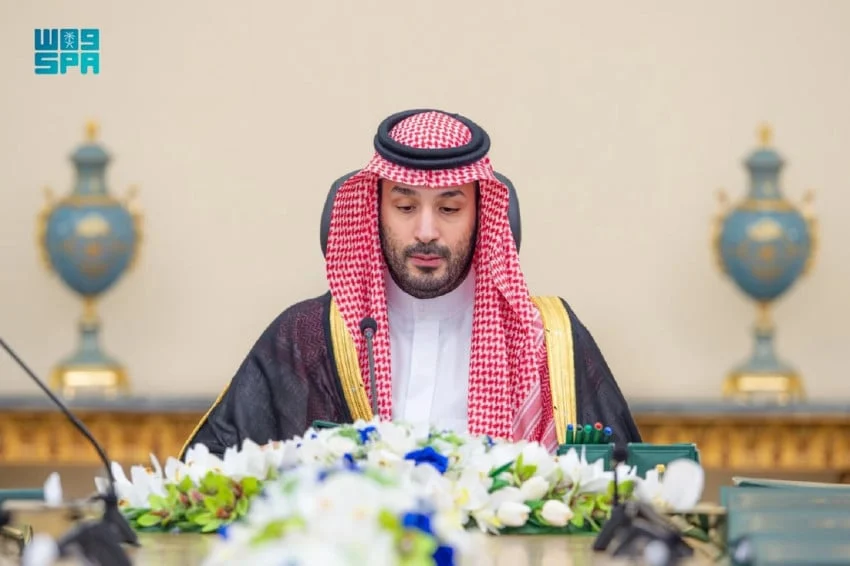
The public airing of these contentious demands and counter-claims carries profound implications for the stability of the Arabian Peninsula and the broader Middle East. As regional powers, particularly Saudi Arabia and Iran, navigate a delicate diplomatic detente—symbolized by the Chinese-brokered normalization agreement between Riyadh and Tehran in March 2023—achieving a durable settlement in Yemen remains a paramount strategic objective for Saudi Crown Prince Mohammed bin Salman.
For Riyadh, exiting the Yemen quagmire is essential for the successful implementation of Vision 2030, which requires a secure and predictable regional environment to attract foreign investment and execute mega-projects like NEOM. A renewed escalation of hostilities on its southern frontier would directly threaten these national development goals.
Conversely, the persistence of the status quo without a comprehensive political accord leaves millions of Yemenis trapped in prolonged humanitarian distress. The juxtaposition of exorbitant financial demands and fierce diplomatic pushback illustrates that while both sides recognize the military stalemate, bridging the gap between strategic security requirements and extensive economic demands remains exceptionally difficult.
Ultimately, the trajectory of the Yemen peace talks will depend heavily on the willingness of external actors and internal factions to compromise on foundational sovereignty and financial issues. As mediation efforts led by the United Nations and regional facilitators continue behind closed doors, the international community watches closely to see whether pragmatic diplomacy can prevail over deeply entrenched political and economic animosities.