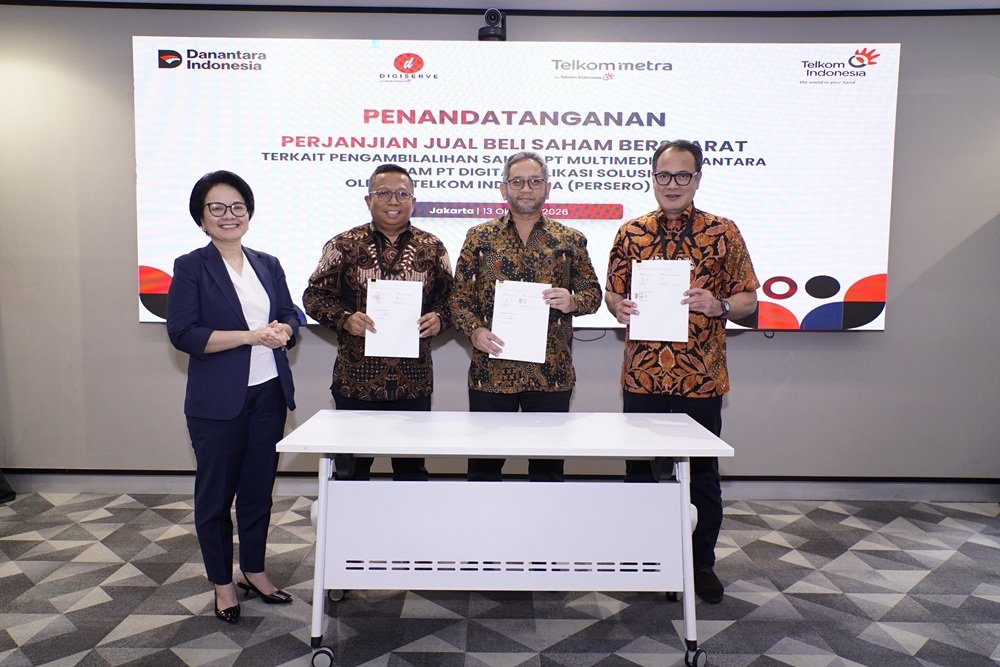
Telkom Indonesia has officially solidified its dominance in the national information and communication technology (ICT) landscape by completing the acquisition of PT Digital Aplikasi Solusi, widely known as Digiserve. Effective November 1, 2026, the company has transitioned into a direct subsidiary of Telkom Indonesia under the new legal identity of PT Telkom Solusi Indonesia. This corporate restructuring marks a pivotal milestone in Telkom’s long-term "TLKM 30" transformation roadmap, aimed at sharpening its focus on the burgeoning Business-to-Business (B2B) enterprise market and optimizing the integration of digital capabilities across the TelkomGroup ecosystem.
The Strategic Rationale Behind the Acquisition
The decision to bring Digiserve under the direct stewardship of Telkom Indonesia is not merely a change in ownership, but a calculated move to streamline the group’s enterprise-facing operations. In an era where corporate demand for digital transformation is accelerating, Telkom has identified the B2B segment as a critical growth engine. By rebranding and realigning Digiserve as PT Telkom Solusi Indonesia, the parent company intends to eliminate operational silos that often hinder service delivery in large-scale enterprise environments.
Historically, TelkomGroup has operated through various subsidiaries, each with specialized functions. However, as the digital economy evolves, clients in sectors such as finance, manufacturing, and logistics increasingly demand a "one-stop-shop" approach. They require integrated solutions that span cloud computing, cybersecurity, data analytics, and robust network connectivity. By repositioning Digiserve, Telkom aims to harmonize these disparate technological capabilities, allowing for a more agile and unified response to the complex, multi-layered requirements of modern corporate entities.
Chronology of the Integration
The acquisition process did not occur overnight. It followed a rigorous period of strategic evaluation and regulatory compliance. Throughout mid-2026, Telkom’s management conducted a comprehensive review of its existing B2B portfolio to determine how to better align with the TLKM 30 strategy.
- Q3 2026: Preliminary discussions and due diligence regarding the acquisition were initiated, focusing on the synergy between Digiserve’s digital service expertise and Telkom’s expansive infrastructure.
- October 2026: Final regulatory approvals were secured, and the rebranding plan was finalized.
- November 1, 2026: The legal transfer of ownership was finalized, and the entity officially began operating as PT Telkom Solusi Indonesia.
This timeline reflects a deliberate, phased approach to ensure that the transition did not disrupt existing service-level agreements (SLAs) or operational continuity for the company’s vast roster of enterprise clients.
Industry Context and Market Dynamics
The Indonesian B2B ICT market is currently undergoing a structural shift. According to industry analysts, enterprise spending on cloud-native solutions and managed security services is projected to grow significantly as businesses move away from legacy infrastructure. Telkom Indonesia, holding the largest market share in connectivity, has long faced the challenge of transitioning from a telco provider to a technology provider (TechCo).
The acquisition of Digiserve provides Telkom with a specialized vehicle to capture this market. Unlike the mass-market consumer business, which relies on high-volume, standardized services, the enterprise segment is characterized by bespoke requirements. A client in the mining sector, for instance, may require specialized private 5G networks and IoT-based monitoring, whereas a retail bank requires high-security data centers and low-latency cloud connectivity. PT Telkom Solusi Indonesia is expected to act as the primary interface for these tailored solutions, leveraging the vast R&D resources and network reach of the parent group.
Official Statements and Leadership Vision
The leadership at Telkom Indonesia has emphasized that this move is central to creating long-term value for stakeholders. Nanang Hendarno, President Director of Telkom, stated that the move is fundamental to the company’s ability to remain competitive. "This transformation is part of our broader effort to strengthen the foundations of our enterprise business. By centralizing our specialized digital services, we are creating more space for innovation and strategic collaboration, ensuring that we can meet the diverse needs of our clients in a rapidly changing digital landscape," Hendarno noted.
The internal reorganization was further explained by Seno Soemadji, Director of Strategic Business Development and Portfolio, who highlighted the necessity of "portfolio rationalization." He pointed out that the group had reached a point where the synergy between subsidiaries needed to be more tightly managed to prevent redundant service offerings and to ensure that all assets are working toward the same corporate objectives.
Veranita Yosephine, Director of Enterprise & Business Service, underscored the client-centric nature of the acquisition. "Our customers are looking for integrated solutions that go beyond simple connectivity. They need a partner that understands their operational processes, their data management needs, and their security requirements. PT Telkom Solusi Indonesia will allow us to package these services in a more modular and flexible way, ensuring our clients receive a holistic solution rather than disjointed products," she said.
Operational Continuity and Good Corporate Governance
One of the primary concerns following any major corporate acquisition is the impact on existing contracts and service quality. Telkom has been quick to mitigate these concerns, issuing formal statements assuring all partners and vendors that the transition is transparent and carries no immediate changes to existing contractual obligations.
The company has emphasized that all service continuity remains a top priority. Contracts previously held under the Digiserve banner remain valid and are now legally overseen by PT Telkom Solusi Indonesia. Telkom has also reiterated its commitment to the principles of Good Corporate Governance (GCG), ensuring that the integration process adheres to the highest standards of transparency, accountability, and fairness. This is crucial for maintaining the trust of multinational corporations and government agencies that rely on Telkom for mission-critical infrastructure.
Implications for the Future of TelkomGroup
Looking ahead, the establishment of PT Telkom Solusi Indonesia signals a more aggressive stance in the B2B sector. As Telkom continues to navigate the TLKM 30 roadmap, further integration of specialized subsidiaries is likely. This move sets a precedent for how the company plans to handle its portfolio: moving away from a collection of loosely related units toward a cohesive, technology-focused conglomerate.
The potential for PT Telkom Solusi Indonesia is vast. With the ability to tap into Telkom’s existing fiber-optic footprint and data center facilities, the company is uniquely positioned to offer end-to-end digital solutions that competitors may find difficult to replicate. Whether through the implementation of AI-driven analytics for corporate planning or the deployment of secure, cloud-based ERP systems, the subsidiary is expected to play a major role in the digital transformation of Indonesia’s corporate sector.
While the market awaits further details regarding product roadmaps and specific organizational shifts within the new entity, the immediate effect of this acquisition is a strengthened TelkomGroup. By consolidating its expertise and aligning its resources, Telkom is signaling to both its shareholders and the broader market that it is prepared for the next decade of digital growth. The transition of Digiserve into PT Telkom Solusi Indonesia is not just a name change; it is a declaration of intent to lead the enterprise ICT market through integrated, robust, and scalable technology solutions.
As the calendar turns toward the end of 2026, the focus for the new PT Telkom Solusi Indonesia will be on execution. Ensuring that the integration of resources translates into tangible value for clients will be the ultimate measure of success for this strategic initiative. For now, the stability provided by the parent company and the clear strategic vision provided by the leadership team suggest a smooth transition, setting the stage for a new chapter in Telkom Indonesia’s corporate history.