

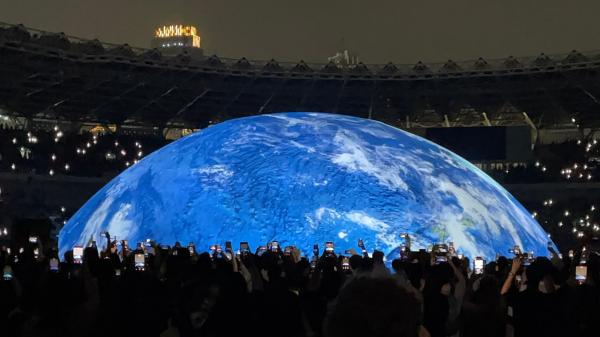
The successful execution of high-profile international events in Jakarta, most notably the recent concert by global superstar Ye, formerly known as Kanye West, has solidified the Indonesian capital’s ambition to become a premier "epicentrum of events" in Southeast Asia. Jakarta Governor Pramono Anung recently shared insights into the complexities of managing such large-scale productions, revealing that the simultaneous occurrence of major cultural and sporting events—specifically the Jakarta Running Festival (JRF) 2026—presented a significant logistical challenge that ultimately demonstrated the city’s operational resilience.
A Complex Logistical Undertaking
The convergence of the Ye concert and the Jakarta Running Festival in October 2026 required unprecedented coordination between city authorities, law enforcement, and private event promoters. For Governor Pramono, the period leading up to the concert was marked by professional apprehension. "When Ye performed here, we were admittedly nervous about whether we could provide the necessary level of support, especially with the Jakarta Running Festival taking place concurrently," Pramono stated.
The anxiety stemmed from the sheer volume of human traffic expected at key urban nodes. Organizing a stadium-scale concert while managing marathon logistics requires meticulous traffic management, public safety protocols, and waste management. However, the successful integration of these events served as a litmus test for the city’s urban management systems. Not only did the concert proceed without significant incident, but the artist himself reportedly expressed appreciation for the professional standards maintained by the local organizers and municipal authorities.
Economic Impact and Multiplier Effects
The economic benefits of hosting global superstars are increasingly being quantified by the provincial government. Recent reports indicate that the combined impact of the Jakarta Running Festival 2026 and the Ye concert resulted in a staggering economic turnover of Rp625 billion. This figure encompasses direct spending on tickets and hospitality, as well as indirect economic activity in the tourism, transportation, and retail sectors.
The Indonesian Employers Association (Apindo) has highlighted the "multiplier effect" triggered by such events. When a high-profile artist performs in Jakarta, the benefit extends far beyond the venue gates. Local SMEs, catering services, transportation providers, and the hospitality industry all report significant spikes in revenue. This "cuan" (profit) cycle is now a central pillar of the city’s economic strategy to recover and accelerate growth post-pandemic, turning Jakarta into a vibrant hub for the creative economy.
Infrastructure Upgrades: The Case of the Jakarta International Stadium
A critical factor in the city’s improved capability to host mass gatherings is the strategic enhancement of transportation infrastructure. The Jakarta International Stadium (JIS), which has become the primary venue for international acts, has seen substantial improvements in accessibility.
Drawing on the lessons learned from the successful two-day concert series featuring The Weeknd, the provincial government implemented a robust public transport strategy. To accommodate the massive influx of concert-goers, the city extended the operational hours of the KRL Commuter Line until 1:00 AM. This move significantly reduced traffic congestion around the venue and provided a safer, more efficient exit route for thousands of attendees. By integrating public transit schedules with the end times of major events, the Jakarta administration is attempting to normalize the use of public infrastructure for major entertainment, moving away from the city’s traditional reliance on private vehicles.

Chronology of Recent and Upcoming Major Events
Jakarta’s event calendar for the remainder of 2026 and early 2027 reflects a deliberate effort to capture a larger share of the international touring market.
- October 2026: The dual staging of the Jakarta Running Festival and the Ye concert marked a milestone in event management coordination.
- November 2026: The city prepares for the arrival of the legendary rock band Guns N’ Roses.
- December 2026: A massive three-day residency by global pop sensation BTS is scheduled for December 26, 27, and 29. This is expected to be the largest economic event of the year, attracting international fans from across the region.
- January 2027: The momentum continues into the new year with a performance by the internationally acclaimed pop group Westlife.
Strategic Implications for Jakarta
The goal of transforming Jakarta into a regional epicenter for events is not merely about prestige; it is a calculated economic policy. By positioning the city as a primary stop for global tours, the administration aims to curb "outbound tourism" where Indonesian citizens travel to neighboring countries like Singapore or Thailand to watch concerts. Keeping these expenditures within the country serves to stabilize the local currency and boost the service sector.
However, this ambition brings with it the burden of infrastructure maintenance. The success of the Ye concert has set a high benchmark. To maintain this trajectory, the government must continue to invest in:
- Connectivity: Expanding the reach of the MRT, LRT, and KRL networks to all major venues.
- Public Safety: Standardizing crowd control measures to ensure that large-scale events remain safe for all attendees.
- Digital Integration: Utilizing smart-city technology to manage traffic flow in real-time during peak events.
Official Response and Future Outlook
The provincial government has indicated that the feedback received from international artists and promoters is a vital tool for improvement. By listening to the needs of production teams—such as technical requirements for sound, light, and stage logistics—the city has been able to tailor its support services.

Governor Pramono’s remarks underscore a shift in governance style: one that views major entertainment events as essential public services that require the same level of bureaucratic attention as traditional infrastructure projects. As the city gears up for the upcoming BTS concerts, the pressure to replicate the success of the Ye event is palpable. The administration is currently working with police and transportation authorities to refine the "JIS model" of event management, ensuring that even with the higher expected attendance, the city remains functional for residents not involved in the festivities.
Challenges and Sustainability
While the economic data is promising, experts point to the necessity of sustainable planning. The rapid growth of the "concert economy" in Jakarta raises questions about the environmental footprint of large gatherings and the strain on existing urban facilities. Sustainable waste management and the integration of carbon-neutral transportation options will be the next frontier for the Jakarta government.
Furthermore, there is a growing need for local talent development. As Jakarta becomes a hub for international acts, the local music and event production industry stands to benefit from technology transfer and the sharing of best practices with international touring crews. This creates a long-term benefit for the city’s creative workforce, who gain invaluable experience in high-pressure, high-standard environments.
Conclusion
Jakarta is currently navigating a pivotal transition. The transition from a city that occasionally hosts international acts to one that is a regular, reliable, and preferred destination on the global touring map requires sustained political will and infrastructure investment. The positive reception of the Ye concert and the efficient management of the recent festival circuit suggest that the city is on the right path. As the calendar fills up for the end of 2026 and the start of 2027, the eyes of the international entertainment industry will remain fixed on Jakarta, evaluating whether the city can consistently deliver the world-class experience it has promised to provide. With the support of improved transit systems and a focused economic strategy, the city appears well-positioned to maintain its status as an emerging giant in the global event landscape.
