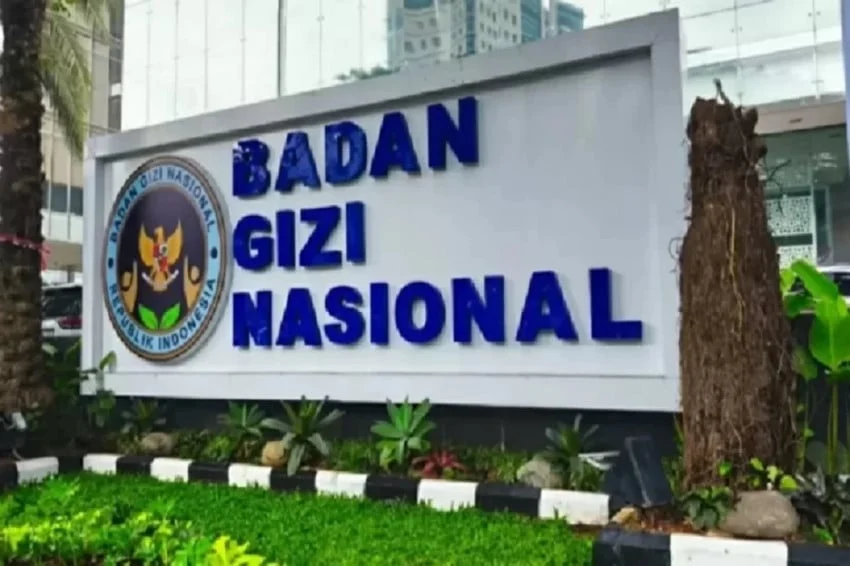
The Badan Gizi Nasional (National Nutrition Agency), widely known as BGN, has taken a decisive step to fortify its institutional governance and ensure the absolute integrity of its flagship initiative, the Free Nutritious Meal Program (Program Makan Bergizi Gratis or MBG). In a strategic move designed to preempt potential fiscal mismanagement and embed rigorous oversight mechanisms from the ground up, the agency has integrated two seasoned officials from the Corruption Eradication Commission (Komisi Pemberantasan Korupsi or KPK) into its administrative fold. This high-profile transition underscores the Indonesian government’s commitment to transparency as it rolls out one of the most ambitious social welfare programs in the nation’s history.
The two officials chosen for this critical mission are Mungki Hadipratikno, who previously served as the Director of Asset Tracing, Evidence Management, and Execution (Labuksi) at the KPK, and Haerudin, who held the position of Head of the KPK Supervisory Board Secretariat. In alignment with administrative protocols regarding institutional transitions, both individuals have been honorably discharged from their respective posts within the anti-graft body to assume their new responsibilities within the BGN. Their deployment is not merely an administrative transfer, but a calculated measure to infuse anti-corruption DNA into the operational framework of an agency handling substantial state budgets earmarked for public health and nutritional development.
Strategic Rationales Behind the Anti-Graft Integration
The inclusion of high-level KPK personnel within the BGN addresses the complex logistical and financial challenges associated with scaling the Free Nutritious Meal Program nationwide. Given the immense scale of the initiative—which aims to provide nutritious meals to millions of school children, pregnant women, and toddlers across Indonesia—the potential for administrative vulnerabilities, supply chain leakages, and procurement inefficiencies is a primary concern for policymakers and civil society alike.
By embedding experts who have spent their careers investigating financial crimes, asset recovery, and bureaucratic loopholes, the BGN is proactively closing avenues for corruption. Mungki Hadipratikno and Haerudin are expected to spearhead internal control systems, design stringent auditing protocols for procurement, and ensure that every rupiah allocated for nutritional assistance reaches its intended beneficiaries without administrative attrition. This proactive stance reflects a growing recognition among Indonesian state institutions that prevention must take precedence over post-hoc prosecution, particularly in programs involving decentralized distribution networks and massive capital outlays.
The Institutional Context of the Badan Gizi Nasional and the MBG Program
The Badan Gizi Nasional was established as a specialized body tasked with tackling chronic nutritional issues, stunting, and food security challenges across the archipelago. The cornerstone of its mandate is the execution of the Free Nutritious Meal Program, a policy initiative designed to enhance human capital development by improving the daily nutritional intake of the younger generation.
However, the sheer magnitude of the program presents unprecedented administrative hurdles. Coordinating food sourcing, managing centralized and decentralized kitchens, and executing transparent financial transactions require a robust institutional framework. Recognizing these challenges, the BGN has steadily laid out a roadmap to modernize its administrative apparatus. Earlier strategic announcements from the agency highlighted a targeted initiative to fully digitalize the procurement processes and financial management of all Service Kitchens for Nutritional Fulfillment (Dapur SPPG) starting in January 2027. The integration of the former KPK officials serves to accelerate these technological and structural reforms, ensuring that the digital transition is matched by a culture of compliance and transparency.
Official Statements and Institutional Responses

The decision to enlist anti-graft experts has garnered notable attention from both government bodies and public transparency watchdogs. Speaking on behalf of the anti-graft commission, KPK Spokesperson Budi Prasetyo emphasized that the deployment of these personnel aligns with the commission’s broader mandate to foster institutional integrity across all branches of government.
"The assignment of KPK personnel to the Badan Gizi Nasional is expected to significantly reinforce the agency’s institutional framework, particularly in establishing a robust governance system that prioritizes integrity and steadfastly champions the principles of corruption prevention," Budi stated. He noted that while the officials have formally transitioned to the BGN, their expertise will act as a permanent bridge between state welfare delivery and rigorous oversight.
Observers within policy circles have pointed out that the move signals a paradigm shift in how large-scale social assistance programs are executed in Indonesia. Historically, massive welfare distributions have occasionally fallen victim to bureaucratic inefficiencies and localized embezzlement. By installing specialized oversight personnel directly within the management structure, the government is attempting to mitigate these historical risks before they can manifest into systemic vulnerabilities.
Broader Implications and Future Outlook
The long-term success of the Free Nutritious Meal Program depends heavily on the integrity of its operational tiers, ranging from national procurement down to local kitchen management. The presence of former KPK directors within the BGN’s leadership structure is anticipated to yield several critical impacts:
First, it enhances the credibility of the agency in the eyes of international partners, financial institutions, and domestic taxpayers. Transparent management builds public trust, which is essential for sustaining a multi-year national budget allocation.
Second, it provides a blueprint for inter-agency cooperation. The secondment of specialized anti-graft investigators and administrators to operational ministries demonstrates a collaborative approach to governance, where enforcement agencies actively assist developmental bodies in building bulletproof administrative systems.
Third, it supports the BGN’s ongoing digital transformation goals. With experts in asset management and institutional oversight guiding internal controls, the upcoming rollout of digital procurement systems for nutrition kitchens in 2027 will likely feature enhanced risk-management parameters, reducing human error and discretionary spending.
As Indonesia continues to navigate its developmental milestones, the partnership between the Badan Gizi Nasional and former frontline defenders of the nation’s anti-corruption framework sets a rigorous benchmark. The ultimate test will lie in the seamless execution of the Free Nutritious Meal Program on the ground—ensuring that structural safeguards translate into tangible, corruption-free nutritional support for millions of Indonesian citizens.