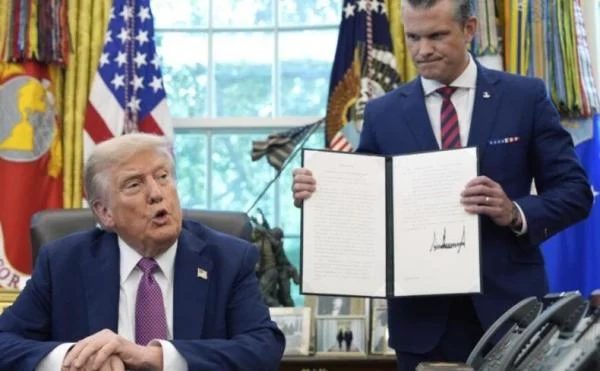
The political landscape in Washington is reeling following the conclusion of the 2026 midterm elections, which saw a significant shift in legislative power as the Republican Party ceded control of Congress to the Democrats. In the wake of this electoral setback, President Donald Trump is reportedly weighing the future of his cabinet, with Defense Secretary Pete Hegseth at the center of growing internal deliberations. According to reports from NBC News and other diplomatic sources, the President has engaged in private discussions with key political allies regarding the potential removal of the Pentagon chief, a move that would mark a major shakeup in the current administration.
The catalyst for this potential firing appears to be multifaceted, rooted in both the electoral consequences of foreign policy decisions and broader frustrations regarding the management of the Department of Defense. The midterm results have intensified the pressure on the White House to demonstrate accountability, with many within the Republican establishment pointing toward the ongoing military engagement with Iran as a primary driver of the party’s poor performance at the ballot box.
The Shadow of the Iranian Conflict
The military operations in Iran, which escalated significantly under the tenure of Secretary Hegseth, have become a polarizing issue that arguably cost the Republican Party its majority. Vice President JD Vance, in a series of post-election briefings, reportedly identified the Iran conflict as a major "political anchor" that hindered Republican candidates in swing districts. The criticism centers on the perception that the administration’s aggressive military stance was disconnected from the priorities of the American electorate, which has grown increasingly weary of prolonged international conflicts.
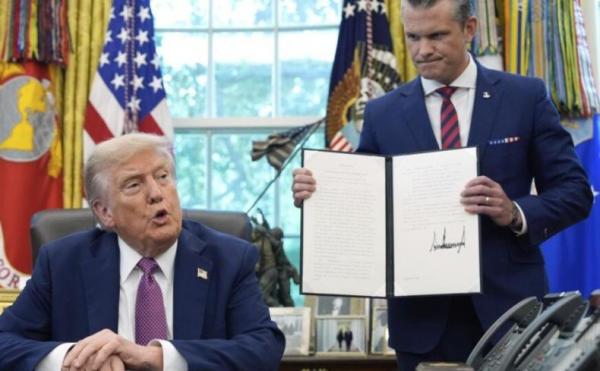
Hegseth’s tenure has been defined by a confrontational approach to military strategy, often characterized by unilateral actions that bypassed traditional consultation with congressional leaders. Earlier in the year, the Defense Secretary faced accusations of overstepping his authority by authorizing strikes against Iranian infrastructure without obtaining the requisite formal authorization from the legislative branch. This perceived disregard for the separation of powers has created a volatile relationship between the Pentagon and Capitol Hill, frustrating members of both the Republican and Democratic parties who demanded greater transparency regarding the mission’s objectives and the associated financial costs.
A Chronology of Declining Confidence
The friction between the White House and the Pentagon did not emerge overnight; it has been a simmering issue throughout the 2026 calendar year.
- Early 2026: Secretary Hegseth initiates a series of internal purges within the Pentagon, removing high-ranking officers who reportedly expressed skepticism regarding the administration’s military expansionism. This alienated traditional military leaders and prompted questions about the politicization of the armed forces.
- September 2026: Following reports of unauthorized military maneuvers in the Middle East, bipartisan outcry in Congress reaches a boiling point. The Defense Secretary faces formal inquiries into potential abuses of power, though he maintains that his actions were within the scope of the Commander-in-Chief’s mandate.
- November 3, 2026: The US midterm elections occur. Exit polls suggest that "foreign policy and national security" were among the top three concerns for voters, with a majority expressing disapproval of the current military trajectory in the Middle East.
- November 5, 2026: Preliminary results confirm a loss of congressional seats for the Republican Party. President Trump begins private consultations with party leaders to discuss a possible cabinet reshuffle, with Hegseth’s name appearing at the top of the list for potential departures.
Internal Dynamics and Leadership Concerns
Beyond the strategic failures related to Iran, sources within the administration suggest that President Trump has grown frustrated with Hegseth’s management style. The Defense Secretary’s tendency to operate with a high degree of isolation—frequently excluding senior advisors from key decision-making processes—has created a siloed environment at the Pentagon.
Prior to the elections, President Trump reportedly initiated informal vetting of potential successors. This clandestine search for a replacement indicates that the President was contemplating a leadership change even before the electoral results were tabulated. By questioning allies on who might be a suitable candidate to take over the Pentagon, Trump signaled a lack of long-term confidence in Hegseth’s ability to navigate the complex political environment of Washington.

The Impact on the Department of Defense
The potential removal of a sitting Secretary of Defense in the middle of a delicate geopolitical crisis carries profound risks. The Department of Defense is currently navigating a period of fiscal instability, with disputes over the Pentagon’s budget allocations remaining a central point of contention with the newly empowered Democratic-led Congress.
If Hegseth is dismissed, the administration will face the daunting task of securing Senate confirmation for a replacement in an environment where the opposition party holds the legislative majority. This could lead to a prolonged period of vacancy or the appointment of an "Acting" Secretary, which might further weaken the US position on the global stage. Military analysts suggest that such a transition could embolden regional adversaries who may perceive a lack of unified leadership in Washington as an opportunity to escalate tensions.
Legislative and Political Implications
The shift in congressional power significantly alters the landscape for the executive branch. With Democrats now holding the gavel in key committees, the scrutiny on the Department of Defense is expected to intensify. Investigations into the Iranian campaign, potential budget irregularities, and the personnel changes enacted under Hegseth are likely to be prioritized by the new legislative leadership.
For the Republican Party, the dilemma is clear: continue to defend a controversial cabinet member and risk further erosion of public trust, or orchestrate a clean break to reset the administration’s image ahead of the next phase of the legislative term. The push for Hegseth’s resignation is coming from a coalition of traditionalist Republicans who worry that the current military posture is unsustainable and inconsistent with the party’s broader platform of fiscal responsibility and limited international intervention.

Future Outlook and Official Stance
As of this writing, neither the White House nor the Department of Defense has released a formal statement confirming or denying the reports of an impending dismissal. However, the silence from the President’s office is being interpreted by political observers as a sign that the discussions are indeed moving toward a decisive conclusion.
The coming days will be critical in determining whether President Trump decides to sacrifice his Defense Secretary to appease the growing bipartisan opposition or chooses to maintain the status quo in a show of loyalty to his initial appointments. Regardless of the outcome, the events of this week have cemented the midterm elections as a turning point in the Trump presidency, forcing a re-evaluation of both personnel and policy in a rapidly evolving global environment.
The stability of the Pentagon remains a cornerstone of US national security, and any change in leadership at this juncture will be scrutinized by allies and adversaries alike. The American public, having made its voice heard at the polls, will be watching closely to see if the executive branch responds with the requested change in direction or if the administration continues on its current path, potentially setting the stage for further political volatility in the months leading up to the next presidential cycle.