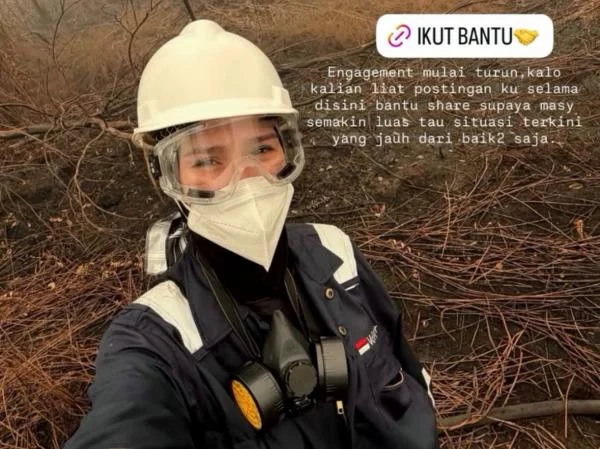
The mission of humanitarian aid often involves navigating unpredictable terrain and challenging environments, but for actress Zaskia Adya Mecca, the risks extended beyond the environmental hazards of forest fires. During her recent humanitarian visit to Central Kalimantan to assist in the mitigation and relief efforts regarding the ongoing forest and land fires (karhutla), the artist and her team reported being followed by unidentified individuals. The incident has cast a shadow over the relief mission, prompting concerns from her family back in Jakarta and highlighting the precarious security conditions often faced by volunteers in high-stakes disaster zones.
The Chronology of the Incident
According to information provided by her brother, Haykal Kamil, the incident took place as the volunteer group was navigating their way toward a confirmed hotspot (a location with high thermal activity indicating a fire) in the vicinity of Palangka Raya, Central Kalimantan. The region, known for its dense peatland and complex geography, has been the epicenter of severe fire outbreaks.
As the group moved through the remote areas, members of the team noticed a vehicle trailing them persistently. Despite the team’s efforts to change routes or assess the situation, the unknown parties maintained a close distance, causing significant alarm among the volunteers. Haykal Kamil noted that the team immediately established contact with their families in Jakarta to relay the situation. "I do not know who they are or what their intentions were, but the team contacted us in real-time to report that they were being followed," Haykal stated during a media briefing on Monday, October 26, 2026.
The situation was particularly stressful given the composition of the volunteer group. As the team consisted predominantly of women, the family members in Jakarta expressed heightened anxiety regarding their safety. The uncertainty surrounding the motives of the individuals following them—ranging from potential criminal activity to local intimidation or mere curiosity—remains a subject of concern.
Context of the Humanitarian Crisis in Kalimantan
To understand the gravity of Zaskia Adya Mecca’s mission, one must look at the broader context of the forest and land fires in Kalimantan. For years, Indonesia has struggled with the seasonal recurrence of wildfires, which are frequently driven by a combination of extreme weather conditions, such as the El Niño Southern Oscillation (ENSO), and anthropogenic factors like land clearing for agricultural expansion.
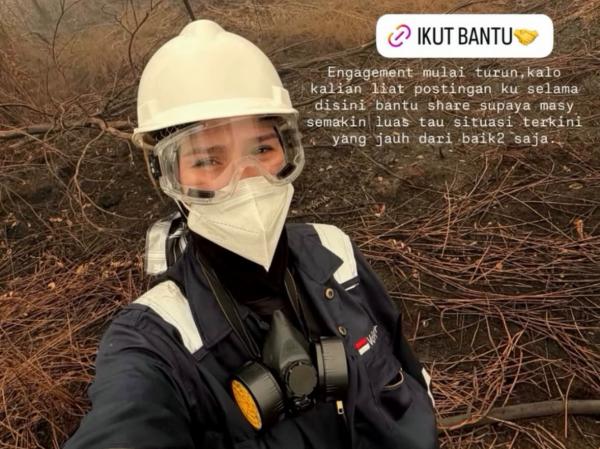
The "hotspots" that Zaskia’s team was attempting to reach are critical points where satellite imagery indicates high surface temperatures. These areas are often difficult to access, requiring specialized equipment and logistics. Volunteers in these zones typically focus on distributing medical supplies, providing clean water, and offering support to local communities displaced by the thick, hazardous smoke—often referred to as "haze"—which significantly degrades air quality and poses severe health risks, particularly to children and the elderly.
The presence of celebrities and high-profile figures in such areas serves a dual purpose: it helps mobilize public donations and raises national awareness about the severity of the ecological disaster. However, such presence also draws significant attention, which can sometimes invite unwanted scrutiny or security challenges, as evidenced by the recent incident in Palangka Raya.
Security Challenges for Humanitarian Workers
The incident involving the actress underscores a common, yet rarely discussed, danger for relief workers in remote Indonesian regions. While the focus of humanitarian aid is usually on the physical environment—such as smoke inhalation, heat exhaustion, or difficult terrain—the human element of security is equally vital.
In remote regions, the presence of strangers—even those on a mission of mercy—can sometimes trigger suspicion among local populations or commercial entities with vested interests in the land. Without clear coordination with local authorities or security escorts, volunteers can inadvertently find themselves in vulnerable positions. Security experts suggest that in regions where land disputes are common, the arrival of outsiders can be perceived as an intrusion, regardless of the humanitarian intent.
Official Response and Family Concerns
Following the reports of the incident, the family of Zaskia Adya Mecca has maintained constant communication with the team on the ground. Haykal Kamil emphasized that the priority remains the safety of the volunteers. "The family asks for constant updates because they are mostly women. We are concerned about their safety in such a remote area," he added.
While there has been no official statement from the local authorities in Palangka Raya regarding the specific individuals trailing the actress, the incident serves as a reminder of the need for robust coordination between volunteer organizations and local law enforcement. In disaster-stricken areas, established protocols usually require local police or regional disaster management agencies (BPBD) to be informed of the movements of high-profile volunteer groups to ensure their safety and facilitate access to restricted zones.

Broader Implications of the Disaster
The broader impact of the 2026 forest fires continues to be a matter of national concern. Data from the Ministry of Environment and Forestry typically indicates that millions of hectares of land are at risk during the peak of the dry season. The ecological damage caused by these fires is irreversible in the short term, leading to the destruction of biodiversity, the release of massive amounts of carbon into the atmosphere, and long-term respiratory issues for the local population.
The involvement of public figures like Zaskia Adya Mecca highlights the urgency of the situation. By choosing to go directly to the source of the fire, the team intended to provide tangible aid that often does not reach the more isolated communities. However, the incident also reveals the systemic difficulties in managing these crises. When civil society organizations and volunteers are forced to navigate security risks alongside environmental ones, the effectiveness of the overall relief operation can be compromised.
Moving Forward
As the investigation into the identity of the people following the group continues—if any formal investigation is pursued—the incident serves as a sobering reminder of the complexities of humanitarian work in Indonesia. The safety of volunteers is paramount, and this event will likely influence how future relief efforts are coordinated.
For now, the focus of the family and the public remains on the safety of the team as they complete their mission. The incident, while alarming, has not deterred the spirit of the volunteers, who continue to advocate for the victims of the fires. It is expected that as the team returns, they will provide a more detailed account of their experiences, which could help inform better security practices for future humanitarian endeavors in the region.
The story of Zaskia Adya Mecca’s mission is more than just a celebrity news item; it is a lens through which the public can view the ongoing struggle against environmental catastrophe and the bravery of those who step into the heat to help their fellow citizens. Whether the incident was a misunderstanding or a genuine security threat, it underscores the need for greater protection and better infrastructure for those who dedicate their time and resources to disaster relief in Indonesia’s most remote provinces.