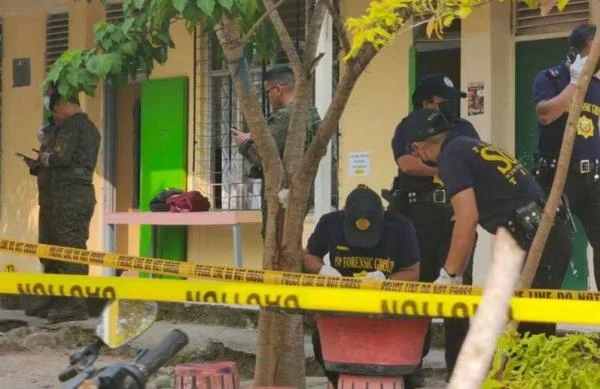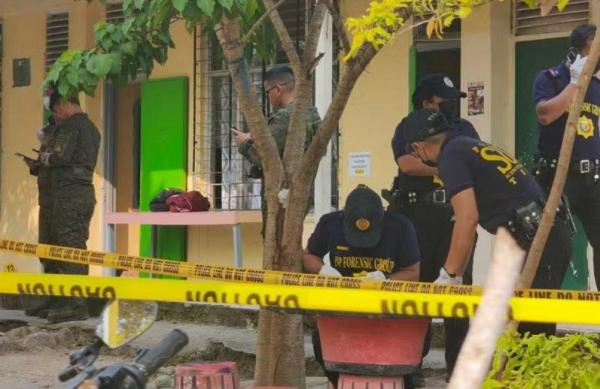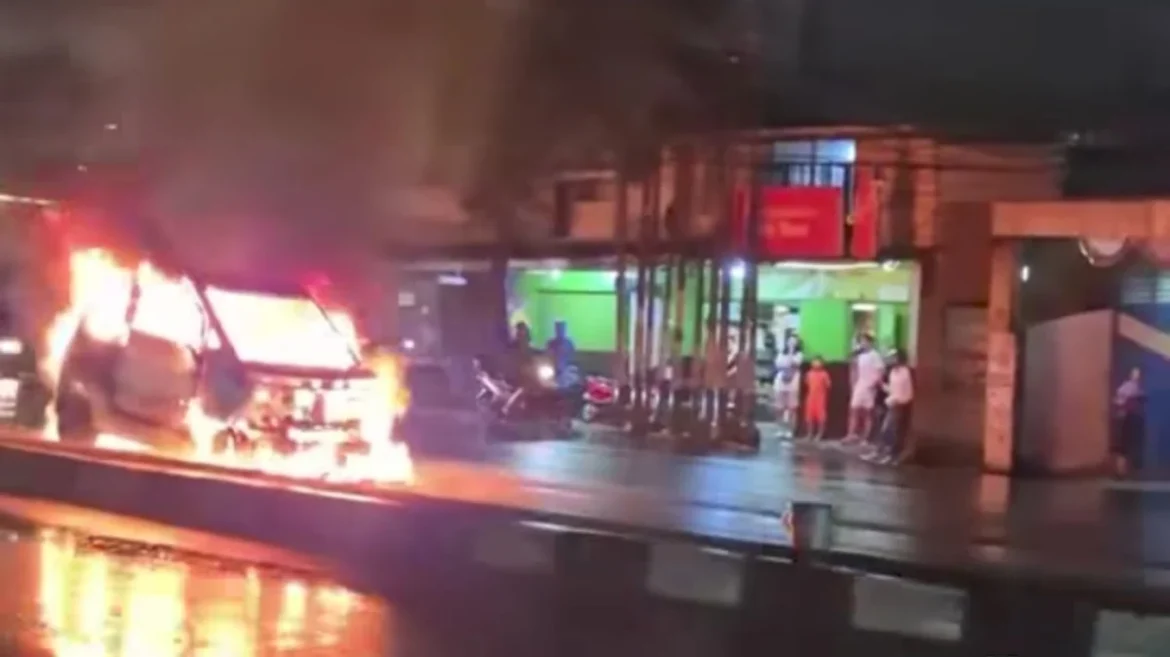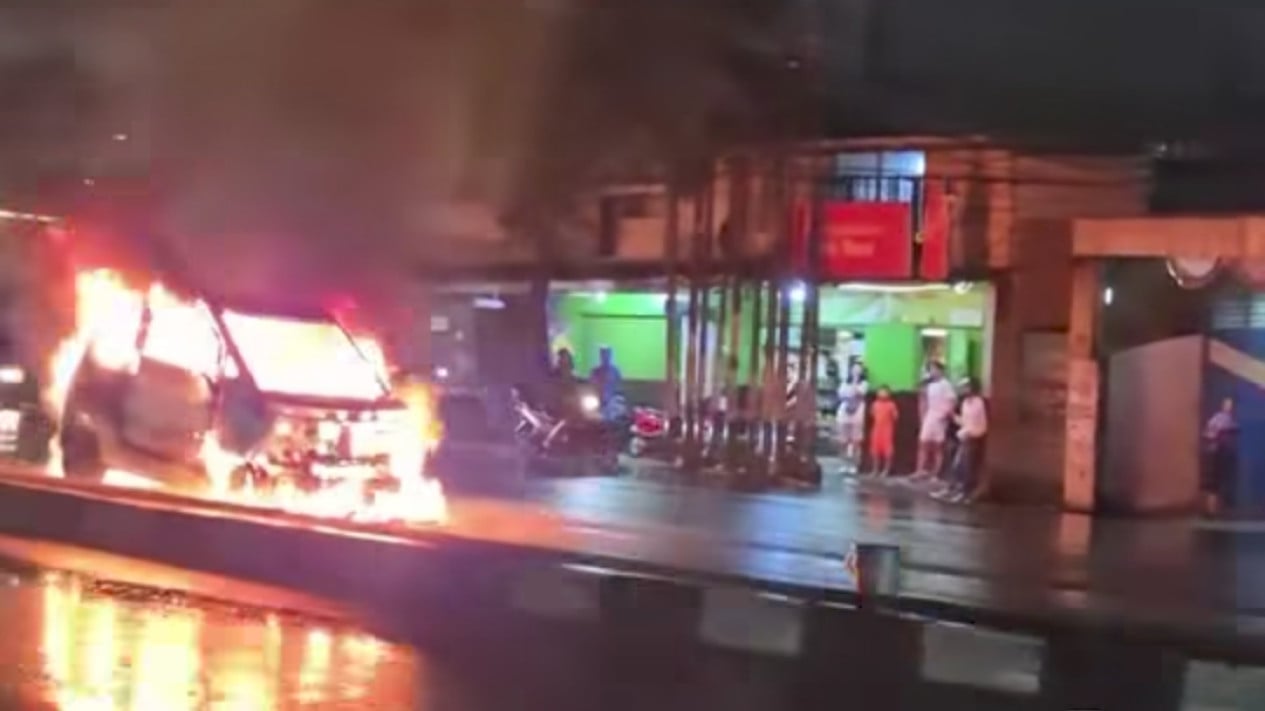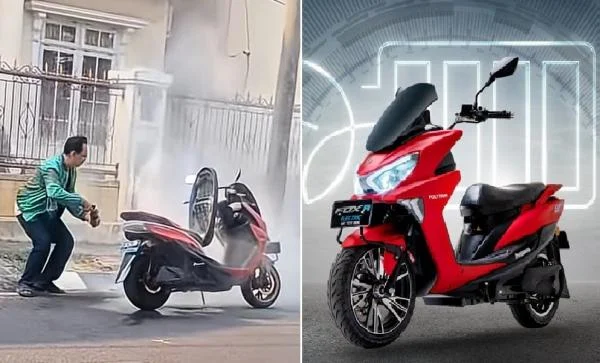
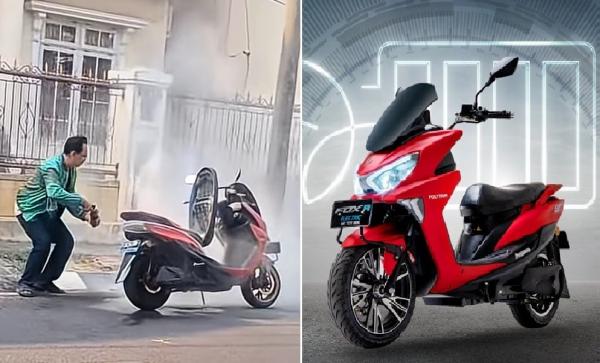
The recent incident involving a Polytron Fox R electric motorcycle that caught fire in the Citra Garden 6 residential area of West Jakarta in September 2026 has reignited public discourse regarding the safety standards and maintenance protocols of electric vehicles (EVs) in Indonesia. The vehicle, which was being operated by an online ride-hailing driver—commonly known as an ojol—suffered severe thermal damage, raising immediate concerns among the growing community of electric bike users. Following an extensive technical investigation conducted by the manufacturer, PT Hartono Istana Teknologi, it has been determined that the fire was not a result of a manufacturing defect, but rather the consequence of unauthorized modifications performed on the vehicle’s electrical system.
Technical Investigation and Findings
In a formal statement released on Monday, September 21, 2026, the Corporate Communications Department of Polytron addressed the incident, providing clarity on the cause of the fire. According to the company, a comprehensive forensic examination of the damaged unit revealed that the owner had installed external wiring that was not compliant with the factory-approved specifications.
"Our technical team performed a thorough inspection of the unit brought into our service center," the statement noted. "The investigation confirmed that the thermal incident was triggered by the installation of external cables that did not adhere to our safety standards. We found no evidence of component failure, inherent design flaws, or malfunctions in the vehicle’s original battery management system or its primary electrical architecture."
The manufacturer emphasized that the unit had been in active service since November 2023. Prior to the incident, the motorcycle had been performing within expected operational parameters, suggesting that the structural integrity of the bike was sound until the aftermarket modifications were introduced.
The Role of Aftermarket Modifications in EV Safety
The Polytron Fox R fire serves as a stark reminder of the risks associated with altering the intricate electrical systems of modern electric motorcycles. Unlike internal combustion engine (ICE) vehicles, where modifications often focus on mechanical components such as exhaust systems or air filters, EVs rely on highly sensitive lithium-ion battery architectures and complex power distribution units.
Industry experts have long warned that the "plug-and-play" culture prevalent among some motorcycle enthusiasts can have catastrophic consequences when applied to EVs. The addition of external accessories—such as non-standard high-wattage lighting, customized charging ports, or unauthorized performance tuners—can create excessive heat, short circuits, or voltage imbalances. When these modifications bypass the safety fuses or the Battery Management System (BMS) designed by the manufacturer, the risk of thermal runaway increases exponentially.
In the case of the affected Polytron Fox R, the unauthorized wiring appears to have created an electrical bridge that the factory system was not designed to accommodate. This highlights a critical challenge for the Indonesian EV market: as the adoption of electric motorcycles grows, the gap between consumer desire for customization and the technical safety requirements of battery-powered vehicles must be bridged through better consumer education.
Timeline of the Incident and Corporate Response
The chronology of events leading to the public disclosure highlights the speed with which the manufacturer moved to contain potential reputational damage and address safety concerns.
- November 2023: The specific Polytron Fox R unit was purchased and began operation, primarily utilized for the demanding daily tasks associated with the ride-hailing industry.
- September 2026 (Early): The fire occurred in the Citra Garden 6 area of West Jakarta. The visual evidence of the incident circulated on social media, prompting immediate inquiries from the public.
- September 2026 (Mid-month): Polytron’s customer service and technical teams reached out to the owner to facilitate the retrieval of the unit for inspection.
- September 21, 2026: PT Hartono Istana Teknologi released a formal statement detailing the findings of their investigation, explicitly linking the fire to the unauthorized electrical modifications.
By engaging directly with the user and taking physical custody of the damaged unit, the manufacturer was able to conduct an evidence-based assessment, which allowed them to differentiate between a systemic product failure and a user-induced technical error.

Broader Implications for the Ojol Industry
The use of electric motorcycles in the ride-hailing sector is a cornerstone of Indonesia’s transition toward greener urban mobility. However, the unique demands placed on these vehicles by professional drivers—who often cover hundreds of kilometers daily and operate under diverse weather conditions—put immense pressure on vehicle longevity.
For many ojol drivers, the ability to "mod" their bikes is a matter of both personal expression and functional utility. They often add phone chargers, GPS trackers, and high-intensity spotlights to facilitate their work. However, this incident serves as a cautionary tale for the industry. Professional associations and ride-hailing platforms may now face increased pressure to implement stricter guidelines regarding the maintenance and modification of electric motorcycles used for commercial purposes.
Regulatory and Safety Outlook
The Indonesian government has been aggressively promoting the transition to electric mobility through various subsidies and infrastructure projects. As the fleet of EVs on the road continues to expand, the focus must shift from initial adoption to the long-term safety and maintenance lifecycle of these vehicles.
Regulatory bodies such as the Ministry of Transportation and the Ministry of Industry are expected to monitor such incidents closely. While there is no indication that current safety standards for EVs in Indonesia are insufficient, the rise of unauthorized modifications poses a regulatory challenge. Establishing standardized protocols for what constitutes an "authorized" modification may become necessary to protect both the consumer and the public.
For manufacturers like Polytron, the focus remains on enhancing user awareness. "Our priority remains the safety and security of all our users," the company stated. "We urge all customers to refrain from making any modifications to the electrical systems of their vehicles outside of our authorized service network. Any such modification not only voids the warranty but poses a significant safety risk."

Consumer Advice and Best Practices
In light of this incident, automotive safety experts suggest several best practices for electric motorcycle owners:
- Stick to Official Service Centers: All repairs and upgrades should be performed by authorized dealers who have access to the manufacturer’s schematics and original parts.
- Avoid Aftermarket Electrical Loads: Do not connect external devices directly to the battery or the main wiring harness without professional consultation and the use of dedicated, fused power circuits.
- Routine Inspections: Regularly check for signs of frayed wiring, heat damage, or unusual odors coming from the battery compartment.
- Adhere to OEM Guidelines: The user manual provided by the manufacturer is the definitive guide for the vehicle’s safe operation. Any deviations, particularly regarding electrical systems, should be avoided.
Conclusion
The fire involving the Polytron Fox R in West Jakarta is a sobering event that highlights the intersection of innovation, user behavior, and safety. While the incident resulted in significant property damage, the manufacturer’s swift investigation and transparency have helped mitigate broader panic regarding the reliability of their electric vehicle lineup.
As Indonesia continues to pursue its decarbonization goals, the success of the electric motorcycle industry will depend on the collaborative effort between manufacturers, regulators, and end-users. Ensuring that vehicles remain in their intended, factory-safe condition is paramount. This incident serves as a definitive case study in the necessity of maintaining rigorous technical standards, ensuring that the transition to an electric future is as safe as it is sustainable. For the individual ojol driver and the wider community, the message is clear: when it comes to the complex and sensitive nature of electric vehicle technology, professional caution is the most important accessory of all.