The presence of white smoke billowing from a motorcycle exhaust pipe is a classic automotive symptom that routinely triggers anxiety among vehicle owners. While minor emissions during a cold morning startup are often harmless, dense or persistent white smoke signals underlying mechanical distress. For everyday commuters and long-distance riders alike, deciphering the exact origin of this phenomenon is critical to preventing catastrophic engine failure. Modern internal combustion engines rely on strict tolerances, flawless sealing, and precise fluid dynamics. When these parameters fail, fluids such as engine oil or liquid coolant infiltrate the combustion chamber, culminating in telltale white or bluish-white exhaust plumes. Automotive engineers and veteran mechanics emphasize that ignoring these warning signs typically transforms a minor component replacement into a complete engine overhaul, escalating repair costs exponentially.
Distinguishing Normal Condensation From Engine Pathology
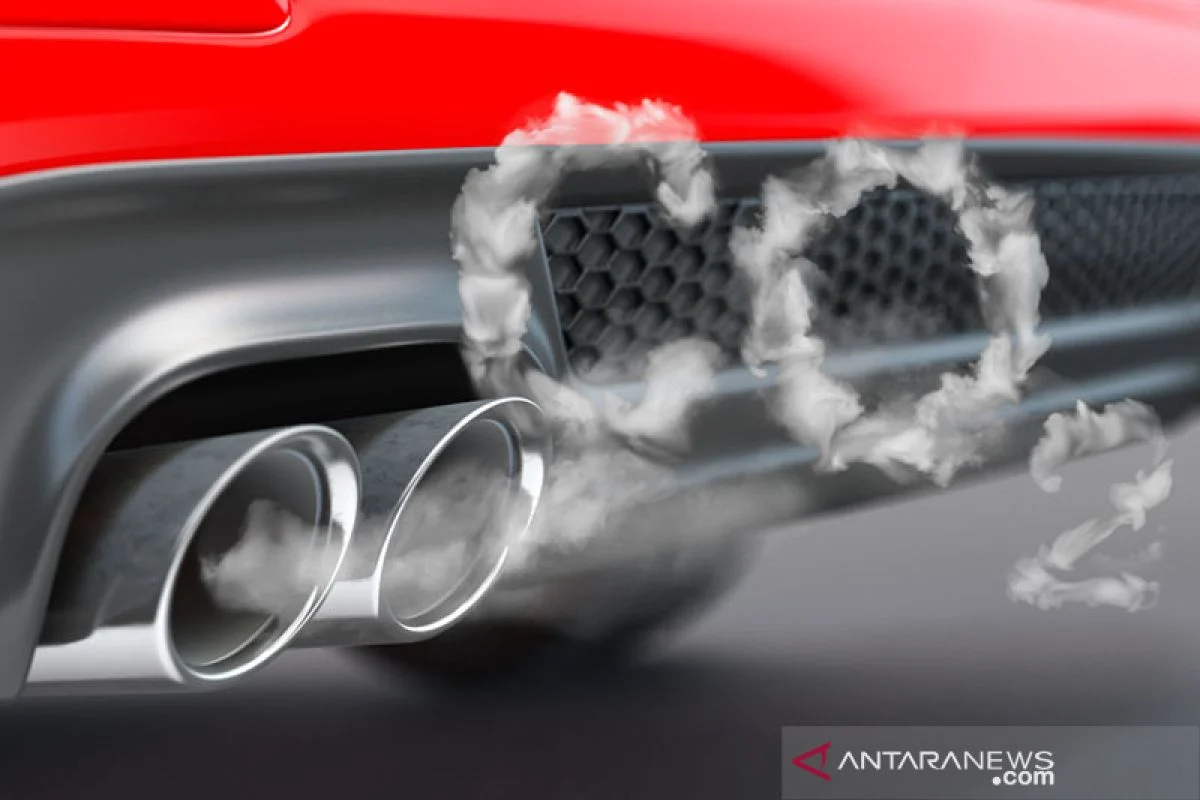
To accurately diagnose motorcycle exhaust issues, riders must first understand the fundamental difference between normal environmental condensation and active internal mechanical failure. When a motorcycle sits overnight, the internal surfaces of the exhaust system and the engine block cool down. Upon startup, hot combustion gases interact with these cold metal surfaces, causing moisture in the air to condense. This moisture is expelled through the exhaust pipe as a thin, wispy white vapor. This phenomenon is entirely normal, particularly in high-altitude environments or during cold weather seasons.
Crucially, this vaporous plume is transient. It dissipates rapidly into the surrounding air and disappears completely within a few minutes once the engine reaches its optimal operating temperature. Conversely, problematic white smoke possesses a denser consistency, often exhibits a slight blue tint, and lingers persistently in the atmosphere. This abnormal smoke does not dissipate quickly because it consists of atomized hydrocarbons or vaporized coolant rather than simple water vapor. If this dense smoke continues to pour from the exhaust long after the engine has warmed up, it serves as a definitive indicator that foreign liquids are breaching the combustion chamber.
Primary Mechanical Causes of White Exhaust Smoke
When diagnostic evaluations confirm that white smoke stems from internal engine anomalies, mechanics typically investigate several primary component failures. Each of these mechanical issues disrupts the integrity of the combustion chamber, allowing engine oil or coolant to enter areas where only fuel and air should ignite.
Oil Infiltration via Worn Piston Rings
The piston rings are paramount components responsible for sealing the combustion chamber, maintaining compression, and scraping excess engine oil off the cylinder walls during the piston stroke. Over years of operation, subject to intense thermal cycles and continuous friction, these metallic rings undergo severe wear and tear. When the ring tension diminishes or the end-gaps widen, engine oil from the crankcase manages to bypass the rings, entering the combustion chamber above the piston crown. As the air-fuel mixture ignites, this rogue oil burns alongside the fuel, producing a thick white or bluish-white smoke. Beyond the visual symptoms, riders dealing with worn piston rings will notice a significant drop in engine compression, resulting in sluggish acceleration, reduced top speed, and a rapid consumption of engine oil that requires frequent top-ups.
Valve Seal Deterioration and Fluid Leakage
Valves control the intake of fresh air-fuel mixtures and the expulsion of exhaust gases. At the stem of each valve sits a specialized rubber component known as a valve seal or valve stem seal. These seals prevent engine oil residing in the cylinder head from trickling down the valve guides into the combustion chamber. Over time, continuous exposure to high temperatures and harsh chemical environments causes these rubber seals to harden, crack, shrink, or tear. When valve seals fail, oil steadily seeps past them—often pooling while the motorcycle is parked and burning off immediately upon startup, or continuously leaking while the engine operates at high RPMs. While similar in color to smoke caused by bad piston rings, valve seal failure is frequently diagnosed when smoke is most prominent immediately after starting a cold engine, temporarily clearing up before returning under heavy acceleration.
Cylinder Wall and Piston Scoring
Beyond the piston rings themselves, the physical mating surfaces of the cylinder bore and the piston skirt are susceptible to structural degradation. Inadequate lubrication, contaminated engine oil, or ingestion of abrasive particulate matter past a failing air filter can cause micro-abrasions, deep scoring, and ovality in the cylinder wall. Once these metallic surfaces lose their cross-hatch pattern and structural tolerances, the sealing capacity is irrevocably compromised. High-pressure combustion gases blow past the piston, while oil floods the upper chamber. This dual failure reduces volumetric efficiency, destroys engine output, and generates continuous white-blue exhaust smoke that intensifies under load.
Overfilling Engine Oil and Crankcase Pressure Dynamics
A surprisingly common yet entirely preventable cause of white exhaust smoke is human error during routine maintenance: overfilling the engine oil. Many riders operate under the misconception that adding more oil than recommended provides superior protection for high-mileage engines. In reality, exceeding the manufacturer’s specified oil capacity creates excessive hydraulic pressure inside the crankcase. As the crankshaft rotates at high speeds, it violently whips the excess oil into a dense aerosol. This high-pressure mist forces its way past the crankcase breather hoses into the airbox, or pushes past oil control rings directly into the combustion chamber. The resulting smoke is accompanied by oil leaks from gaskets and sluggish throttle response as the engine struggles against internal pumping losses.
Head Gasket Failures and Coolant Ingestion
For liquid-cooled motorcycles, the cylinder head gasket acts as a critical seal separating high-pressure combustion chambers from oil galleries and coolant jackets. If the engine suffers from chronic overheating or if head bolts lose their torque specification, the head gasket can warp, tear, or blow out entirely. When this occurs, liquid coolant—a mixture of water and ethylene glycol—is sucked into the combustion chamber during the intake stroke. Subject to extreme temperatures inside the cylinder, the coolant instantly vaporizes into dense white smoke that billows heavily from the tailpipe. Unlike oil-burning smoke, coolant-induced white smoke carries a distinct, sweet chemical odor and is almost invariably accompanied by a rapidly dropping coolant level in the radiator reservoir and severe engine overheating.
Engine Overheating and Thermal Breakdown
Thermal management is the backbone of internal combustion reliability. When a cooling system fails—whether due to a malfunctioning water pump, a clogged radiator, a stuck thermostat, or low coolant levels—the engine enters an overheating state. Extreme heat degrades the viscosity of engine oil, warps aluminum cylinder heads, destroys gaskets, and causes microscopic expansions that disrupt tight mechanical tolerances. Overheating acts as a catalyst for nearly all the aforementioned failure points. Consequently, a motorcycle that overheats frequently will almost certainly begin emitting white exhaust smoke as structural seals fail under thermal duress.
Chronology and Diagnostic Progression of Exhaust Smoke Symptoms
Understanding the temporal patterns of smoke emission provides invaluable clues for diagnostic evaluation. Mechanics utilize a strict chronological assessment when troubleshooting smoky motorcycles:
Initial Startup Phase: If white smoke appears exclusively for the first 30 to 60 seconds after a cold start and subsequently vanishes, technicians look toward mild environmental condensation or minor weeping valve stem seals that allowed a small amount of oil to pool overnight.
Warm Idle Phase: If smoke persists while the engine idles at a stoplight after reaching normal operating temperature, the issue points definitively toward internal leaks, such as worn valve guides, severe ring wear, or a failing head gasket.
Under-Load Acceleration: If smoke thickens dramatically when the rider rolls on the throttle during acceleration or high-speed cruising, the combustion chamber is experiencing continuous fluid entry under high cylinder pressures, pointing to piston ring failure or cylinder wall scoring.
Supporting Data and Industry Perspectives on Motorcycle Maintenance
According to automotive service data compiled across Southeast Asian and global markets—where motorcycles serve as primary daily transportation—preventative maintenance neglect accounts for over 70 percent of premature internal engine failures. Industry analysts note that failure to adhere to strict oil change intervals remains the leading catalyst for ring wear and valve seal degradation. Lubrication engineers emphasize that degraded oil loses its shear strength, failing to protect high-friction zones and accelerating the wear rates of pistons and cylinders. Furthermore, official service bulletins from major motorcycle manufacturers consistently stress that using non-certified lubricants or ignoring minor coolant losses routinely precipitates catastrophic head gasket failures.
When to Seek Professional Workshop Intervention
While routine checks such as monitoring engine oil levels, inspecting air filters, and observing coolant reservoirs can be performed at home, diagnosing internal smoke requires specialized workshop equipment. Riders are strongly advised to bring their motorcycles to a certified service center if they observe any of the following red flags:
- White smoke that persists continuously after the engine has reached normal operating temperatures.
- A noticeable and unexplained drop in engine oil levels between scheduled oil change intervals.
- A sudden, unexplained loss of engine power, compression, or throttle responsiveness.
- The continuous disappearance of liquid coolant without external puddles beneath the bike.
- Rapid spikes in engine temperature accompanied by unusual mechanical rattling or ticking noises.
Professional technicians employ advanced diagnostic tools, including compression testers, cylinder leak-down testers, and endoscopic borescopes capable of inspecting the interior of the combustion chamber without completely tearing down the engine block. Mechanics caution against jumping to immediate conclusions or applying temporary chemical "stop-leak" additives, as these quick fixes rarely resolve underlying mechanical wear such as worn piston rings or scored cylinder walls.
Broader Implications and Preventative Best Practices
The appearance of white exhaust smoke is more than a mere visual nuisance; it is a vital diagnostic cry from the heart of the machine. Addressing the root cause promptly preserves the mechanical lifespan of the motorcycle, prevents sudden road breakdowns, and ensures rider safety. Industry experts recommend a proactive maintenance schedule to mitigate these risks entirely. Key preventative measures include adhering strictly to manufacturer-recommended oil grades and change intervals, monitoring coolant conditions regularly, avoiding aggressive throttle inputs while the engine is still cold, and ensuring that cooling fins or radiators remain free of obstructive debris. By respecting these operational boundaries, motorcycle owners can significantly reduce the likelihood of internal engine failures and ensure reliable, smoke-free performance for years to come.