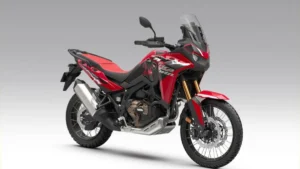
Motorcycle performance issues can manifest in various ways, but few are as frustrating to a rider as an engine that stutters, hesitates, or loses power the moment the throttle is twisted. Commonly referred to in the automotive and riding community as engine "brebet" or hesitation, this phenomenon disrupts the smooth delivery of power required for safe and efficient commuting. When a motorcycle hesitates during acceleration, it is a clear indicator that the delicate balance required for internal combustion—namely air, fuel, and a precise spark—has been compromised. To address this issue effectively, riders, mechanics, and automotive experts must look beyond a superficial fix and examine the intricate ecosystem of modern and classic motorcycle engineering.
The fundamentals of internal combustion dictate that an engine requires a stoichiometrically balanced mixture of fuel and oxygen, compressed inside a cylinder, and ignited at the exact microsecond by an electric spark. When any single component in this sequence malfunctions, the entire process falters. The resulting hesitation is the engine’s way of communicating that combustion is either incomplete, mistimed, or starved of essential elements. While older motorcycles relied heavily on mechanical carburetors and simple points-based ignition systems, contemporary machines utilize complex electronic fuel injection (EFI) units, computer-controlled throttle bodies, and myriad sensors designed to optimize performance. Consequently, diagnosing a hesitation issue requires a systematic approach, starting with the simplest maintenance checks and proceeding, if necessary, to advanced electronic diagnostics.
Primary Triggers of Throttle Hesitation: A Detailed Breakdown
A thorough investigation into why a motorcycle sputters under acceleration reveals seven primary culprits, ranging from minor wear-and-tear items to deep-seated mechanical failures.
-
Compromised Spark Plugs
The spark plug is the literal heartbeat of the combustion chamber, tasked with delivering high-voltage electricity to ignite the air-fuel mixture. Over time, carbon deposits, oil fouling, or natural gap widening due to thermal expansion and electrode erosion can severely degrade the spark. A weak or erratic spark fails to ignite the mixture cleanly, leading to misfires, reduced power output, sluggish throttle response, and a noticeable increase in fuel consumption. Routine inspection and timely replacement in accordance with manufacturer specifications are vital to maintaining a crisp ignition profile. -
Restricted Air Filtration
Air is just as critical as fuel in an engine’s diet. The air filter acts as the primary defense mechanism against dust, debris, and particulate matter. However, when a filter becomes excessively clogged, it chokes the intake tract, restricting the volume of air entering the engine. This creates an overly rich air-fuel mixture, suffocating the combustion process and dampening engine responsiveness. Regular cleaning or replacement of the filter element ensures an unobstructed breathing pathway for the motor. -
Fuel Delivery Obstructions: Injectors and Carburetors
Fuel delivery systems are exceptionally sensitive to contamination. In modern fuel-injected motorcycles, tiny injectors spray atomized fuel under high pressure into the intake tract. If varnish, sediment, or moisture clogs these microscopic nozzles, the spray pattern distorts, leading to incomplete fuel atomization. Similarly, in carbureted systems, blocked pilot jets or clogged main jets disrupt the smooth metering of fuel as the throttle slide or butterfly valve opens. Clearing these pathways or utilizing professional cleaning services is often necessary to restore proper fuel delivery. -
Substandard or Contaminated Fuel
The quality of the fuel pumped into a motorcycle tank plays a monumental role in engine longevity and performance. Fuel that has degraded due to prolonged storage, or fuel contaminated with water or low-octane additives, burns inconsistently. This chemical instability prevents the engine from generating optimal cylinder pressure, translating directly into hesitation, knocking, and power loss. Sourcing fuel exclusively from reputable stations and using the octane rating recommended by the vehicle manufacturer mitigates this risk. -
Throttle Body and Sensor Anomalies
Modern fuel-injected motorcycles depend heavily on electronic management systems. The throttle body houses the valve that controls airflow, alongside sensors such as the Throttle Position Sensor (TPS) and Manifold Absolute Pressure (MAP) sensor. When carbon varnish accumulates around the throttle butterfly valve, or when sensors send erratic data to the Engine Control Unit (ECU), the air-fuel ratio becomes skewed. This electronic mismatch disrupts acceleration stability and frequently triggers the vehicle’s check engine light. -
Ignition Coil and Secondary Electrical Failures
While spark plugs get much of the attention, they are only as good as the electricity fed to them. Ignition coils transform low-voltage battery current into the thousands of volts required for a spark. Internal insulation breakdown, moisture infiltration, or loose terminal connections within the ignition coil can cause intermittent power delivery to the plug. An inconsistent spark yields the exact same stuttering symptom under load as a failing spark plug. -
Diminishing Mechanical Compression
If the ignition, fuel, and air systems are functioning flawlessly yet the motorcycle continues to stutter, the root cause is likely mechanical. Low cylinder compression—stemming from worn piston rings, scored cylinder walls, leaky valves, or a compromised head gasket—prevents the engine from effectively squeezing the air-fuel mixture prior to ignition. Without adequate compression, even a strong spark and perfect fuel ratio will yield weak, inefficient combustion.
Chronology of Industry Responses and Real-World Incidents
Engine hesitation is not merely an isolated inconvenience for individual riders; it can occasionally point toward broader systemic issues within the fuel supply chain. A historical precedent for this occurred in East Java, Indonesia, where widespread reports of motorcycles experiencing sudden hesitation and power loss after refueling at local stations prompted massive investigations. Thousands of motorists reported identical symptoms of severe engine sputtering immediately following routine fill-ups.
The timeline of events during this regional crisis highlighted the rapid mobilization required by both corporate entities and consumer protection agencies:
- Initial Outbreak: Motorists across multiple cities in East Java began flooding social media and service centers with complaints of severe engine stuttering, attributing the issue to fuel quality anomalies.
- Corporate Audits: In response to mounting public pressure and consumer grievances, state-owned energy enterprise Pertamina initiated a comprehensive audit, deploying inspection teams to check more than 500 public fueling stations (SPBU) across the region to test fuel purity, storage tank integrity, and water contamination levels.
- Consumer Advocacy Intervention: Consumer protection organizations, including the Indonesian Consumers Foundation (YLKI), stepped in to monitor the situation, issuing public statements commending the swift corporate response while demanding accountability and compensation for affected motorists.
- Resolution and Prevention: Enhanced filtration protocols at distribution terminals and rigorous quality control measures were subsequently implemented to restore consumer confidence and prevent contaminated fuel from reaching retail pumps.
This real-world scenario underscores the reality that engine hesitation is not always the result of poor vehicle maintenance; occasionally, external factors such as regional fuel contamination can trigger widespread mechanical distress, necessitating coordinated multi-agency responses.
Diagnostic Procedures and Professional Intervention
When troubleshooting a motorcycle that stutters upon acceleration, a methodical, step-by-step approach saves both time and financial resources. The diagnostic process should always progress from the simplest, most cost-effective checks to complex technical interventions:
- Visual and Physical Inspection: Riders should first inspect the exterior components within easy reach. This includes checking the fuel grade currently in the tank, examining the air filter box for debris, and ensuring the battery terminals are secure, as low system voltage can impair electronic fuel pumps and ignition coils.
- Component Testing: Mechanics or knowledgeable owners can remove the spark plug to read its condition—checking for fouling, excessive gap wear, or abnormal coloration. For carbureted bikes, draining the float bowl can reveal water droplets or sediment accumulation.
- Advanced Electronic Diagnostics: For modern fuel-injected motorcycles, mechanics utilize specialized diagnostic scanners plugged into the ECU port. This tool reads stored diagnostic trouble codes (DTCs), pinpoints faulty sensor readings, and tests actuator responses within the throttle body.
- Professional Servicing: If cleaning the throttle body, replacing the spark plug, and swapping the air filter fail to resolve the hesitation, deep mechanical assessments—such as a compression test or injector flow-bench testing—must be performed by certified technicians.
Implications and Preventive Maintenance Strategies
Ignoring the early warning signs of engine hesitation can lead to severe long-term consequences. Chronic misfires and incomplete combustion do not just ruin the riding experience; they actively damage downstream components. Unburned fuel entering the exhaust tract can overheat and destroy expensive catalytic converters, while chronic oil or carbon fouling accelerates wear on cylinder walls and piston rings. Furthermore, an unexpected loss of power during acceleration poses a legitimate safety hazard, particularly when merging onto high-speed roadways or navigating tight traffic conditions.
To mitigate these risks, preventative maintenance remains the ultimate safeguard. Adhering strictly to manufacturer-recommended service intervals ensures that ignition components, filters, and fluid systems are replaced before performance degrades. Utilizing high-detergent fuels keeps internal injector nozzles clean, while routine inspections of the intake and exhaust tracts preserve the engine’s breathing efficiency.
Ultimately, a motorcycle that stutters under acceleration is signaling an imbalance within its intricate combustion ecosystem. By understanding the multifaceted root causes—ranging from simple fouled spark plugs and blocked air filters to complex electronic sensor failures and fuel quality variations—riders can diagnose issues accurately and apply targeted solutions. Through diligent upkeep, professional diagnostic support when necessary, and an awareness of broader mechanical variables, motorcycle enthusiasts can ensure their machines deliver the smooth, reliable, and responsive performance they were engineered to provide.