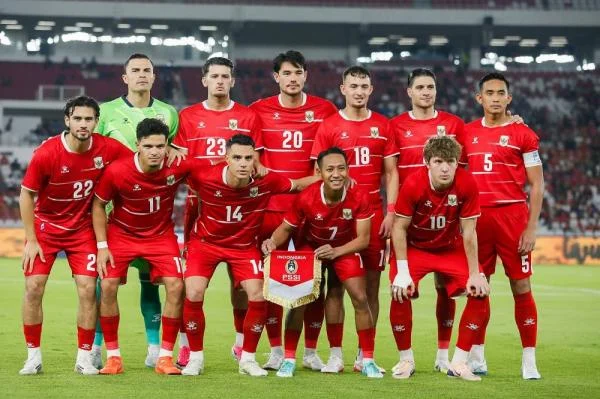
The official schedule for the ASEAN Football Federation (AFF) Cup 2026 has been released, confirming a demanding path for the Indonesian national team. Dubbed the "Garuda," the squad will commence their campaign on home soil, hosting Cambodia, before embarking on a series of formidable encounters against Timor Leste, Vietnam, and Singapore in the tightly contested Group A. This draw sets the stage for an electrifying tournament, highlighting the growing competitiveness within Southeast Asian football.
AFF Cup 2026 Format and Group Draw
The 2026 edition of the AFF Cup will feature ten national teams from the ASEAN region, meticulously divided into two distinct groups, Group A and Group B, each comprising five teams. The stakes are high, as only the group winners and the runners-up from each group will earn the coveted tickets to advance to the knockout stages, the semifinals. This streamlined format ensures that every match carries significant weight, leaving little room for error for any participating nation.
A crucial aspect of the group stage is the home-and-away format. All participating teams are mandated to play a total of four matches: two fixtures at their home grounds and two away games. This structure not only enhances fan engagement and provides home advantage but also tests the resilience and adaptability of teams as they navigate different playing environments and crowd atmospheres across the region.
The "Group of Death": Indonesia’s Grueling Path
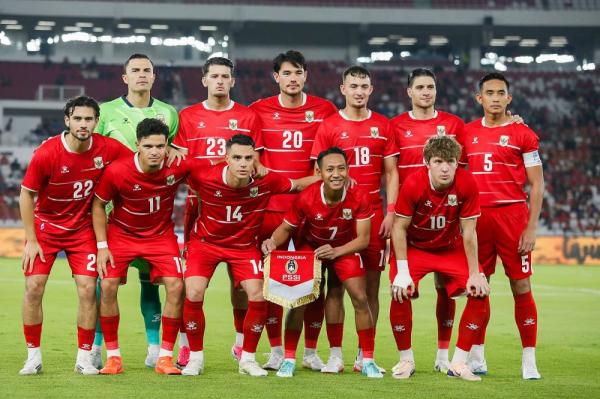
Indonesia has been placed in Group A, a configuration that immediately signals a "group of death" scenario. The Garuda will face off against perennial rivals Vietnam, the reigning champions of the AFF Cup, a testament to their consistent dominance in the region. Adding to the formidable challenge are Singapore and Cambodia, two other nations with significant footballing pedigree and a history of producing strong performances in the tournament. The inclusion of Timor Leste, while perhaps seen as the underdog, adds another layer of unpredictability to the group.
The historical context of these matchups further amplifies the intrigue. Indonesia’s rivalry with Vietnam is one of the most intense in Southeast Asian football, often characterized by passionate fan bases and fiercely contested matches. Singapore, with their disciplined approach and tactical acumen, has also been a consistent thorn in Indonesia’s side. Cambodia, having shown considerable improvement in recent years, is poised to be a dangerous opponent, capable of upsetting established powers. This challenging draw suggests that Indonesia will need to be at their absolute best from the outset to progress.
Tournament Kick-off and Opening Fixtures
The highly anticipated AFF Cup 2026 is slated to commence on July 24, 2026, igniting a month of thrilling football action. The opening day of the group stage will feature two compelling encounters. In the first match of Group A, Cambodia will host Singapore, a fixture that promises to set a competitive tone for the tournament. This will be followed by a clash between Brunei and Vietnam, where the defending champions will aim to assert their authority early in the competition.
While the specific schedule for Indonesia’s matches is yet to be fully detailed in terms of exact dates and times, the confirmation of their opening opponent as Cambodia, playing at home, provides a crucial early marker. The subsequent fixtures against Timor Leste, Vietnam, and Singapore will then follow, creating a demanding schedule that will test the squad’s depth, stamina, and tactical flexibility.

Historical Performance and Indonesia’s Aspirations
The AFF Cup, formerly known as the Tiger Cup, has been a prestigious tournament in Southeast Asian football since its inception in 1996. It serves as the premier platform for national teams in the region to showcase their talent and compete for continental bragging rights. Indonesia has a rich history in the tournament, having reached the final an impressive five times (2000, 2002, 2004, 2010, and 2016) but has yet to clinch the coveted title. This persistent pursuit of their maiden AFF Cup trophy fuels the national team’s determination and raises expectations among their passionate fanbase.
The recent performances of the Indonesian national team, including their progress in qualifying for the AFC Asian Cup, have generated a surge of optimism. Head coach Shin Tae-yong has been instrumental in revitalizing the squad, instilling a more aggressive and professional playing style. With a blend of emerging young talents and experienced players, Indonesia is widely considered a strong contender in the upcoming AFF Cup. The focus will undoubtedly be on navigating the challenging group stage and building momentum towards a deep run in the knockout rounds.
Venue Preparations and Fan Engagement
As reported, facilities such as the Pakansari Stadium are undergoing assessments and potential upgrades to ensure they meet the high standards required for an international tournament of this magnitude. The condition and readiness of stadiums are crucial not only for the players’ performance but also for the overall spectator experience. A well-maintained and vibrant stadium environment can significantly impact team morale and fan engagement.
The anticipation for the AFF Cup 2026 is palpable, and the Indonesian Football Association (PSSI) will be keen to leverage home advantage for their initial fixture against Cambodia. The prospect of filling stadiums with fervent supporters, creating an electric atmosphere, will be a significant morale booster for the Garuda. Successful fan engagement strategies, coupled with strong team performances, will be key to the tournament’s success in Indonesia.

Broader Implications and Regional Football Development
The AFF Cup plays a pivotal role in the development of football across Southeast Asia. It provides a crucial competitive platform for emerging nations, allowing them to gain valuable experience against more established teams. The tournament also serves as a scouting ground for talent, potentially leading to opportunities for players in leagues beyond the region.
For Indonesia, a strong performance in the AFF Cup 2026 would not only fulfill a long-standing national aspiration but also further elevate the profile of Indonesian football on the international stage. It would solidify their position as a leading force in ASEAN and potentially attract greater investment and support for the sport domestically. The competitive nature of Group A, in particular, will push all participating teams to improve, contributing to the overall enhancement of footballing standards across the region. The journey to the AFF Cup 2026 title promises to be an arduous but thrilling one for the Garuda and their loyal supporters. The official schedule release marks the beginning of the countdown to what is expected to be another captivating chapter in Southeast Asian football history.