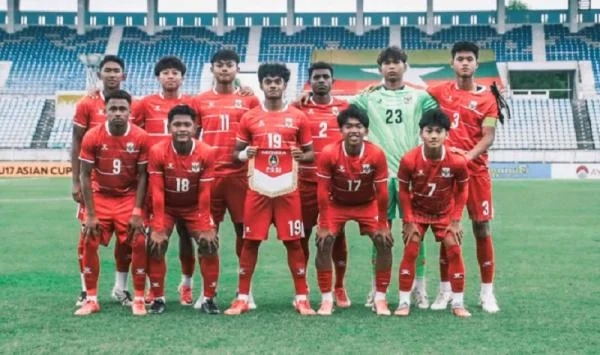
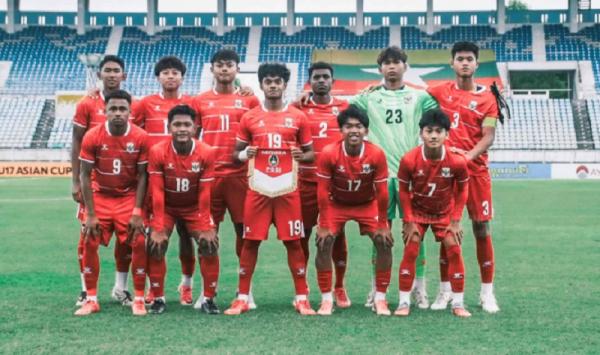
The Indonesian U-17 national team commenced their campaign in the 2027 AFC U-17 Asian Cup Qualifiers with a commanding 3-0 victory over the Philippines. Held at the Padaythar Stadium in Yangon, Myanmar, on Wednesday, November 11, 2026, the match served as the Group A opener for the Garuda Muda. While the result positions Indonesia favorably in the early standings, head coach David Nascimento has issued a stern reminder to his squad, emphasizing that significant improvements are required in clinical finishing before the team faces more formidable opponents in the tournament.
The victory was spearheaded by a brace from Dhamar Tri Kusuma and a singular strike from I Dewa Gede Majesta Sandhya. Despite the three-goal margin, the match underscored a recurring theme in Indonesian youth development: the ability to dominate possession and generate high-quality chances without necessarily capitalizing on the majority of them.
Tactical Breakdown and Match Chronology
The encounter at Padaythar Stadium began with Indonesia asserting immediate authority. David Nascimento’s side employed a high-pressing system that stifled the Philippines’ ability to build from the back. The tactical setup, which focused on utilizing the wings to bypass the Philippines’ compact defensive block, yielded dividends early.
Dhamar Tri Kusuma opened the scoring in the first half, capitalizing on a defensive lapse in the Filipino backline. The goal acted as a catalyst, allowing Indonesia to dictate the tempo of the game. Throughout the first 45 minutes, Indonesia maintained a high defensive line, effectively neutralizing any counter-attacking threats posed by the Philippines.
In the second half, I Dewa Gede Majesta Sandhya added the second goal, further cementing Indonesia’s control. As the match progressed, Dhamar Tri Kusuma secured his brace, bringing the score to 3-0. However, the closing stages of the match saw a shift in momentum. The Philippines, sensing a need to salvage their goal difference, increased their physical presence and tactical intensity. This period of the game forced the Indonesian defense into more rigorous testing. While they remained disciplined, Nascimento noted the momentary lapses in concentration that allowed the Philippines to find pockets of space in the midfield.
Nascimento’s Critique: The Need for Clinical Precision
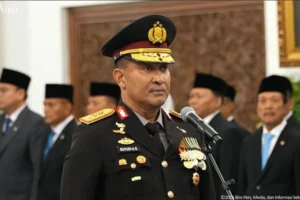
Following the final whistle, the atmosphere in the Indonesian camp was one of measured satisfaction. While the three points were secured, David Nascimento opted for a pragmatic assessment of the performance. Addressing the media, the Brazilian tactician expressed concerns regarding the squad’s efficiency in front of the goal.
"We controlled the majority of the match, and I am pleased with the discipline the players showed in our tactical transitions," Nascimento stated. "However, at this level of international football, creating chances is only half the battle. Our conversion rate remains a point of concern. We missed several opportunities that could have put the game to bed much earlier. Against stronger opposition, we will not be afforded the luxury of squandering such chances."
Nascimento’s critique highlights the ongoing evolution of the Indonesian youth setup. Under his leadership, the team has moved toward a more structured, possession-oriented style of play. Yet, the transition from build-up play to the final third remains a work in progress. The coaching staff is expected to shift the training focus toward specialized finishing drills and situational awareness in the penalty box ahead of the upcoming fixtures.
Context of the 2027 AFC U-17 Asian Cup Qualifiers
The AFC U-17 Asian Cup is a critical pathway for Asian nations aiming for global recognition, as it serves as the qualification tournament for the FIFA U-17 World Cup. For Indonesia, success in these qualifiers is not merely about reaching the continental finals; it is about building a sustainable pipeline of talent that can eventually contribute to the senior national team.
Group A, hosted in Myanmar, presents a unique set of challenges. Alongside Indonesia and the Philippines, the group includes regional rivals and host nation Myanmar. The format, which requires teams to play a series of matches in a condensed window, places a high premium on squad rotation and physical conditioning. With the humidity and pitch conditions in Yangon posing additional variables, Nascimento’s emphasis on maintaining control becomes even more vital.
The current squad reflects a mix of domestic talent and players who have undergone intensive training camps. The absence of extensive pre-tournament friendly matches, as noted in recent reports surrounding the team’s preparation, has meant that these qualifying matches serve as the primary proving ground for the squad’s chemistry and tactical cohesion.

Broader Implications for Indonesian Football
The victory over the Philippines is a significant step, but it is only the first of several hurdles. Historically, Indonesian youth teams have struggled with consistency when transitioning from comfortable group-stage victories to high-pressure knockout scenarios or matches against top-tier continental teams like Japan, South Korea, or Saudi Arabia.
The tactical maturity shown by the Garuda Muda in this match is a positive indicator. By maintaining control even when the Philippines ramped up the pressure in the second half, the players demonstrated a level of composure that has often been missing in previous iterations of the national youth setup. The influence of the coaching staff in fostering this mental fortitude is evident.
However, the "finishing problem" identified by Nascimento is a systemic challenge that goes beyond this specific tournament. It reflects a need for better technical training at the grassroots and academy levels. If Indonesia intends to establish itself as a consistent force in Asian football, the ability to capitalize on dominance is non-negotiable.
Looking Ahead: The Road to Qualification
With the first three points secured, Indonesia’s attention now turns to the next set of fixtures. The coaching staff will likely utilize the upcoming days to analyze match footage and address the specific tactical vulnerabilities exposed by the Philippines’ late-game pressure.
The team’s performance against the Philippines will likely serve as the benchmark for their remaining group stage matches. If they can improve their efficiency in the final third while maintaining their defensive solidity, Indonesia stands a strong chance of securing a top-spot finish in the group. Qualification for the 2027 AFC U-17 Asian Cup would be a major milestone for this group of players, providing them with the necessary exposure to top-tier competition.
In conclusion, while the 3-0 scoreline suggests a dominant victory, the candid assessment by David Nascimento provides a realistic view of the team’s current standing. The Garuda Muda are a team with significant potential and a clear tactical identity, but they remain a work in progress. The coming matches will reveal whether the team can refine its offensive edge and prove that they belong among the elite youth sides of the continent. For now, the focus remains on recovery, tactical refinement, and maintaining the momentum gained from this successful opening encounter in Yangon.