Behind the growth of many Islamic boarding schools (pesantren) in Indonesia stands a generation of scholars whose lives were defined by relentless learning, unwavering sincerity, and lifelong service to society. One of them was KH. Jauhari Zawawi, a respected Indonesian Muslim scholar whose intellectual journey stretched from the villages of Central Java to the holy city of Makkah before culminating in the establishment of one of East Java’s influential pesantren. His life reflects the classical Islamic tradition of seeking knowledge across generations of teachers while dedicating every stage of life to education, da’wah (proselytization), and community leadership, leaving an indelible mark on Indonesia’s religious and educational landscape. His trajectory exemplifies the profound impact individuals with deep spiritual conviction and intellectual rigor can have on shaping societal values and educational paradigms, particularly within the context of early 20th-century Indonesia, which was then grappling with colonial rule and the nascent stirrings of national identity.
Early Life and Formative Years in Central Java
KH. Jauhari Zawawi was born in 1911, on Friday Wage according to the Javanese calendar, in Waru, Sidorejo Village, Sedan District, Central Java, Indonesia. His birth coincided with a pivotal period in Indonesian history, marked by intensified Dutch colonial administration and the gradual awakening of indigenous intellectual and nationalist movements. He was born into a family with deep religious and historical roots, a common characteristic among ulama (Islamic scholars) families in Java, where religious knowledge and community leadership were often inherited and cultivated across generations. While specific details of his immediate family’s lineage are not widely documented, it is understood that his upbringing instilled in him profound respect for Islamic teachings and a strong sense of community responsibility.
The Sedan District, situated in the regency of Rembang, Central Java, has historically been a fertile ground for Islamic scholarship, boasting a rich tradition of pesantren and a vibrant religious life. Growing up in this environment, young Jauhari was exposed from an early age to the rigorous discipline of traditional Islamic learning. His initial education would have commenced in his home village, likely under the tutelage of local kyai (religious teachers) and within the familial setting, focusing on foundational Islamic texts, Quranic recitation, and basic Arabic grammar. This early immersion laid the groundwork for his future scholarly pursuits, instilling in him a deep reverence for knowledge and a commitment to spiritual development. The pesantren system, then as now, served not only as centers of religious learning but also as crucial hubs for cultural preservation and community organization, fostering an environment ripe for intellectual and spiritual growth.
The Quest for Knowledge: From Local Pesantren to Makkah
The journey of KH. Jauhari Zawawi mirrors that of many distinguished Indonesian ulama of his era who embarked on extensive educational pilgrimages. His relentless pursuit of knowledge began earnestly in various local pesantren across Central and East Java. This traditional learning pathway involved moving from one pesantren to another, studying under different kyai to master various branches of Islamic sciences. Typically, students would immerse themselves in kitab kuning (classical yellow books), covering subjects such as fiqh (Islamic jurisprudence), tafsir (Quranic exegesis), hadith (prophetic traditions), nahwu-sharaf (Arabic grammar and morphology), balaghah (rhetoric), tasawwuf (Sufism), and aqidah (theology). Each kyai was often renowned for their mastery in specific disciplines, allowing students like Jauhari to gain a comprehensive and nuanced understanding of Islamic thought.
This phase of his education was characterized by intense dedication, often involving austere living conditions and long hours of study, memorization, and debate. It was during these years that he honed his analytical skills, deepened his spiritual insight, and developed a profound appreciation for the diverse interpretations within Islamic scholarship. This rigorous training not only equipped him with extensive knowledge but also fostered a disciplined mind and an unwavering commitment to the principles of Islam.
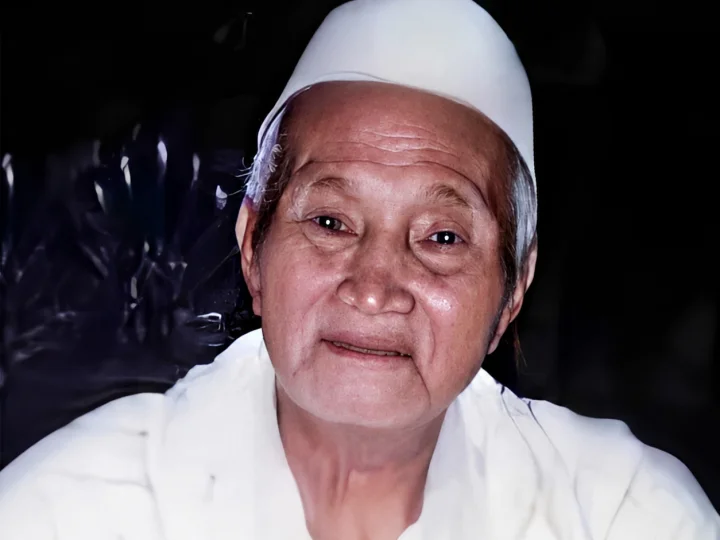
The culmination of his preliminary studies led him to the holiest cities of Islam, Makkah and Madinah, a common and highly esteemed tradition for aspiring Indonesian ulama. Traveling to Makkah in the early 20th century was an arduous undertaking, fraught with challenges but also promising unparalleled opportunities for advanced religious scholarship. Scholars from across the Islamic world converged in Makkah, creating a vibrant intellectual melting pot. Here, KH. Jauhari Zawawi studied under renowned ulama of the Haramain (the two holy cities), immersing himself in higher Islamic sciences. This period allowed him to engage with global Islamic thought, compare different schools of jurisprudence, and deepen his understanding of classical Arabic literature and exegesis. His studies in Makkah were not merely academic; they were spiritual journeys that solidified his faith and broadened his perspective on the global Muslim ummah. The sanad (chain of transmission) he acquired from his teachers in Makkah would later lend significant authority and legitimacy to his own teachings upon his return to Indonesia.
Return and the Founding of an Influential Pesantren
Upon his return to Indonesia, armed with profound knowledge and a renewed spiritual vigor, KH. Jauhari Zawawi felt a strong calling to dedicate his life to the education and spiritual upliftment of his community. The early 20th century saw a significant expansion of pesantren across Indonesia, driven by the need to preserve Islamic identity against colonial influence and to educate the populace. Recognizing this imperative, KH. Jauhari Zawawi embarked on establishing his own pesantren in East Java. While the specific name of the pesantren is not detailed in the available records, its establishment marked a pivotal moment in his life and in the regional Islamic education landscape.
The decision to found a pesantren in East Java was strategic. East Java has historically been a stronghold of traditional Islamic learning, with a dense network of pesantren and a strong adherence to Nahdlatul Ulama (NU), the largest independent Islamic organization in the world, which champions traditional Islamic education. His institution quickly gained recognition, attracting students (santri) from various parts of Java and beyond. The pesantren he founded adhered to the traditional curriculum, emphasizing kitab kuning studies, moral education (akhlaq), and spiritual discipline (riyadhah). However, like many progressive kyai of his time, he likely also integrated elements of modern education, such as basic literacy in Indonesian and perhaps rudimentary secular subjects, to ensure his students were well-equipped to navigate a rapidly changing world. This balanced approach was crucial for producing graduates who were not only deeply rooted in Islamic tradition but also capable of contributing meaningfully to society.
The growth of the pesantren under his leadership was a testament to his charisma, scholarly depth, and unwavering commitment. He fostered an environment of rigorous academic inquiry combined with profound spiritual guidance. His teachings went beyond mere rote memorization; he emphasized critical thinking, ethical conduct, and the practical application of Islamic principles in daily life. The pesantren became a beacon of light, offering not just religious instruction but also a sense of community, discipline, and purpose for thousands of young Indonesians.
Leadership, Da’wah, and Community Engagement
KH. Jauhari Zawawi’s influence extended far beyond the walls of his pesantren. He was a tireless advocate for da’wah, utilizing his profound understanding of Islam to enlighten and guide the wider community. His sermons and public lectures were highly anticipated, drawing large crowds eager to benefit from his wisdom. He possessed a unique ability to articulate complex theological concepts in an accessible manner, resonating deeply with people from all walks of life. His da’wah was characterized by compassion, inclusivity, and a focus on fostering unity and social harmony, crucial elements in a diverse nation like Indonesia.
As a community leader, he played a vital role in mediating disputes, offering counsel, and mobilizing collective action for the betterment of society. He championed various social initiatives, from promoting local welfare programs to advocating for justice and equality. His sincerity and integrity earned him immense respect and trust, making him a central figure in the socio-religious fabric of East Java. He was often sought out for advice on personal matters, family issues, and broader community challenges, reflecting his status as a wise and trusted elder.

Furthermore, his period of active leadership coincided with Indonesia’s struggle for independence and the subsequent nation-building phase. While specific political involvement is not detailed, it is highly probable that, like many ulama of his generation, he would have contributed to the nationalist cause through his teachings, prayers, and moral support, inspiring his students and followers with a sense of patriotism and responsibility towards the nascent nation. Pesantren often served as clandestine meeting points for nationalist activists, and kyai frequently provided spiritual and logistical support to the independence movement. His emphasis on self-reliance, moral fortitude, and collective responsibility would have inadvertently, or directly, supported the spirit of national awakening.
Educational Philosophy and Enduring Impact
KH. Jauhari Zawawi’s educational philosophy was rooted in the classical Islamic tradition but also responsive to contemporary needs. He believed in holistic education that nurtured the intellect, purified the soul, and strengthened the body. He emphasized the importance of adab (etiquette and moral conduct) alongside ilmu (knowledge), teaching his students that true scholarship must be accompanied by humility, respect, and sincere devotion. He instilled in his santri a deep love for learning, encouraging them to seek knowledge throughout their lives and to use it for the benefit of humanity.
His enduring impact is evident in the generations of students who passed through his pesantren. Many of them went on to become prominent ulama, educators, and community leaders themselves, carrying forward his legacy of scholarly excellence and dedicated service. The pesantren he established continued to thrive, evolving over time to meet new challenges while remaining true to its founder’s core principles. It stands today as a living testament to his vision and unwavering commitment to Islamic education. His approach to tarbiyah (education and upbringing) has left an imprint on the pedagogical methods and values upheld by many pesantren in the region.
Broader Implications and Historical Context
The life and contributions of KH. Jauhari Zawawi offer valuable insights into the broader historical and sociological context of Islamic education in Indonesia. The early 20th century was a transformative period, witnessing the rise of modern education alongside traditional pesantren. Figures like KH. Jauhari Zawawi played a crucial role in adapting traditional learning to new realities, ensuring the continued relevance of Islamic scholarship while preserving its authenticity. His journey from a humble village to Makkah and back exemplifies the intellectual migratory patterns that enriched Indonesian Islam, bringing back new insights and strengthening global Islamic networks.
His story also underscores the vital role of ulama as guardians of tradition, intellectual innovators, and moral compasses for their communities. In an era predating widespread formal public education, pesantren and their founders like KH. Jauhari Zawawi were the primary providers of education, character development, and social cohesion. Their influence extended beyond religious spheres, often touching upon local governance, economic activities, and cultural expression.
In contemporary Indonesia, the legacy of scholars like KH. Jauhari Zawawi continues to inspire. His life serves as a powerful reminder of the values of perseverance in seeking knowledge, sincerity in devotion, and selfless service to society. Historians and community elders often cite figures like him when discussing the foundational pillars of Indonesian Islam, highlighting their role in shaping a moderate, tolerant, and intellectually vibrant Muslim community. Scholarly analyses frequently point to the sustained influence of such ulama in cultivating an indigenous Islamic identity that harmonizes tradition with modernity, and faith with nationhood. His biography, though perhaps not as widely publicized as some of his contemporaries, represents the countless dedicated kyai who have quietly, yet profoundly, shaped the spiritual and intellectual landscape of Indonesia. His contributions ensure that the flame of traditional Islamic learning continues to burn brightly, illuminating the path for future generations.