The practice of maintaining a secondary smartphone exclusively for professional obligations has evolved from a niche preference into a standard operating procedure for many modern professionals. As of September 23, 2026, the integration of distinct digital environments—separating personal life from corporate communication—has become essential for data privacy, cybersecurity, and mental well-being. Selecting a secondary device is no longer a matter of acquiring the cheapest handset with basic connectivity; it requires a strategic assessment of hardware longevity, security protocols, and battery efficiency.
The Shift Toward Dual-Device Ecosystems
The modern professional landscape is characterized by high-frequency communication, constant mobile banking, and the necessity for secure cloud synchronization. With the rise of hybrid work models, the demand for "work phones" has surged, driven by a growing awareness of digital boundary setting. According to recent market analysis in the Southeast Asian tech sector, professionals are increasingly seeking devices that can handle heavy multitasking—spanning WhatsApp Business, corporate email clients, and secure VPNs—without interfering with their personal digital footprint.
Data privacy remains the primary catalyst for this shift. By isolating sensitive corporate data on a separate device, users minimize the risk of cross-contamination between personal apps and professional assets. As of September 2026, manufacturers have responded to this demand by tailoring specific mid-to-high-tier devices that emphasize long-term software support and hardware durability over purely aesthetic or entertainment-focused features.
Strategic Selection Criteria for Professional Hardware
When evaluating a device for professional utility, industry experts advise focusing on five core pillars:
- Software Lifecycle and Security Updates: A device is only as secure as its operating system. Manufacturers that guarantee five to six years of security patches, such as Samsung’s Knox-integrated ecosystem, provide a significant advantage for long-term corporate deployment.
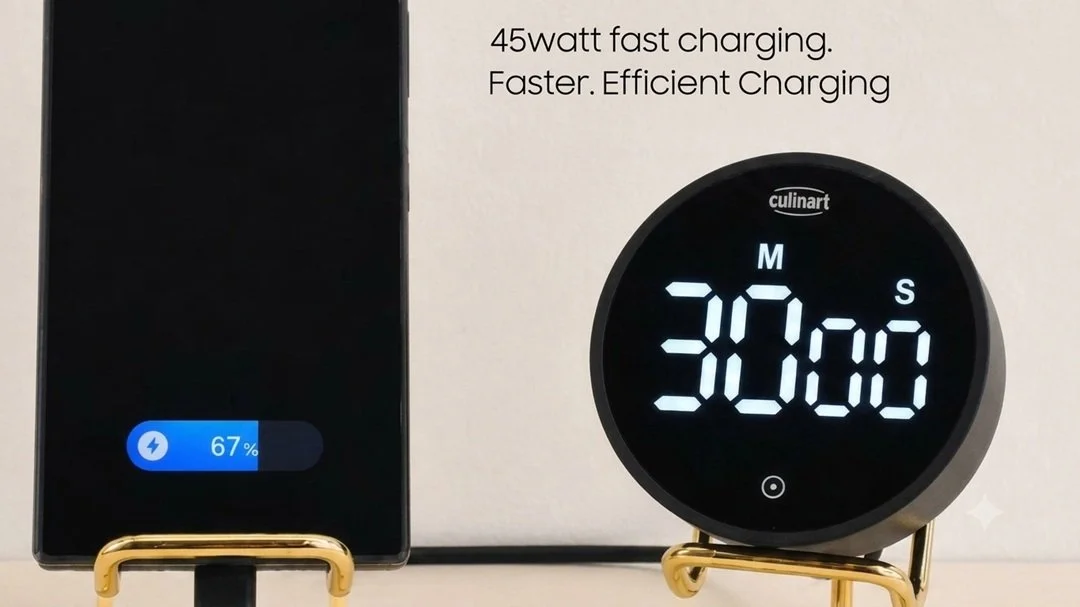
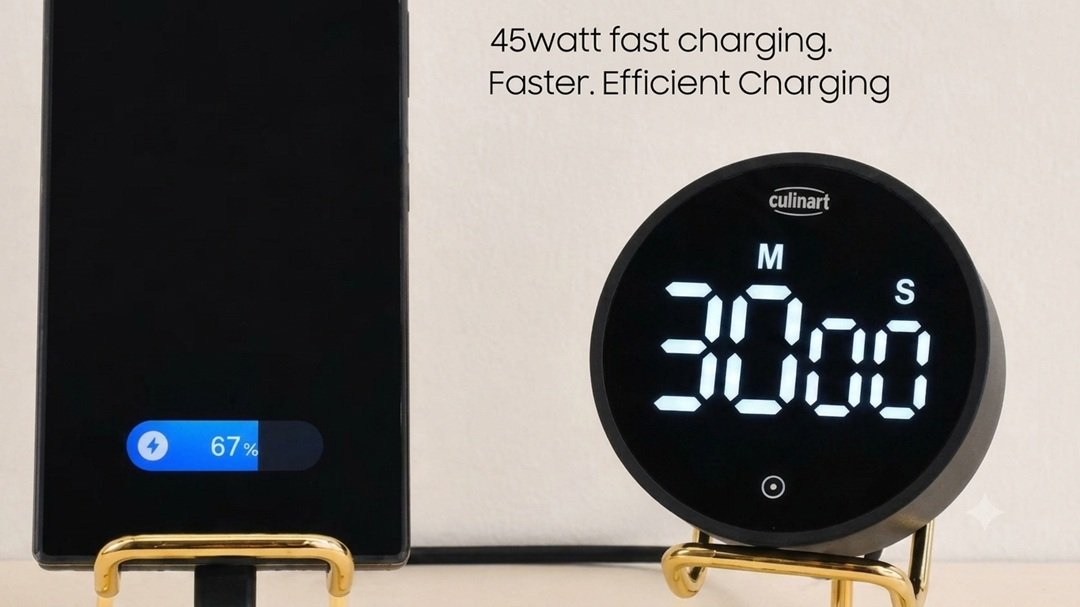
- Battery Density and Charging Velocity: For professionals in the field, a device that survives a full workday under heavy load is non-negotiable. Current standards have shifted toward the 5,000mAh to 7,000mAh range, supported by rapid charging capabilities.
- Connectivity and Throughput: With the global rollout of advanced 5G infrastructure, ensuring a device supports robust network bands is essential for reliable mobile hot-spotting and low-latency cloud access.
- Hardware Integrity: IP68/IP69 ingress protection ratings are no longer reserved for flagship devices; they are becoming standard requirements for professionals who operate in diverse environments.
- Data Partitioning: Features like secure folders and chip-level encryption allow for the separation of personal and work data, a critical feature for businesses enforcing Bring Your Own Device (BYOD) policies.
Top Contenders in the September 2026 Market
As of late September 2026, several devices have emerged as leaders in the professional segment, balancing cost-efficiency with high-performance specifications.
1. Samsung Galaxy A56 5G: The Security Benchmark
The Samsung Galaxy A56 5G remains the industry standard for professionals prioritizing long-term reliability. Its primary strength lies in its support lifecycle, offering up to six years of OS and security updates. The inclusion of Samsung Knox Vault provides a hardware-based security solution that isolates sensitive information, making it an ideal candidate for corporate environments. With a 5,000 mAh battery and a high-refresh-rate Super AMOLED display, it offers the visual clarity necessary for document review and video conferencing.
2. vivo V50 5G: Performance and Endurance
The vivo V50 5G has distinguished itself through sheer power density. Equipped with a 6,000 mAh battery and a 90W charging system, it addresses the "battery anxiety" often faced by heavy users. Furthermore, the inclusion of IP68 and IP69 ratings ensures that the device can withstand environmental hazards, a key feature for professionals working in logistics or field-based roles. The availability of a 12GB RAM/512GB storage configuration makes it a robust tool for managing large datasets and intensive multitasking.
3. OPPO Reno15 F 5G: Defensive Engineering
The OPPO Reno15 F 5G targets users who prioritize privacy. By integrating specialized features such as "Call to Lock," "Dual Verification," and "Chip-Level Deep Lock," the device offers layers of security that go beyond standard PIN or biometric locks. The impressive 7,000 mAh battery capacity is a standout feature, potentially offering the highest runtime in its price category, which is essential for long commutes or remote work scenarios where power access may be limited.
4. OPPO Reno15 5G: A Flexible Hybrid
Positioned as a bridge between a dedicated work phone and a secondary entertainment device, the Reno15 5G features a 6,59-inch OLED display that provides a superior viewing experience for presentations and media. With a 6,500 mAh battery and 80W charging, it strikes a balance between portability and endurance. Its internal architecture, which supports up to 12GB of RAM, ensures that productivity applications remain responsive throughout the workday.
The Broader Implications for Enterprise Mobility
The rise of the "work phone" trend is forcing a shift in corporate IT policies. Many organizations are moving away from restrictive company-issued hardware, opting instead to provide subsidies for employees to procure their own, vetted, professional-grade devices. This "Work-Life Integration" approach acknowledges that employees are more productive when using devices they are comfortable with, provided those devices meet the company’s minimum security specifications.
Market analysts observe that the mid-range smartphone segment is currently the most active in terms of innovation. While flagships focus on camera technology and niche features, the "professional secondary" market is driving demand for battery innovation, durability, and enterprise-grade security.
Chronology of Market Shifts (2024–2026)
- Q3 2024: Industry reports highlight the early adoption of dual-smartphone setups among remote workers, primarily for privacy reasons.
- Q1 2025: Manufacturers begin introducing "Work Mode" software features, allowing users to toggle off work-related notifications outside of business hours.
- Q4 2025: Security threats targeting mobile banking and work-related messaging apps reach an all-time high, prompting a 30% increase in secondary device purchases.
- September 2026: The current market environment reflects a consolidation of features, where devices priced between IDR 5,000,000 and IDR 9,000,000 now offer security features previously exclusive to the enterprise-tier hardware market.
Conclusion: Making the Investment
For the average professional, the decision to purchase a secondary device is an investment in productivity and digital hygiene. The current lineup of devices, including the Galaxy A56, vivo V50, and the OPPO Reno15 series, provides a spectrum of options that cater to different professional needs—whether that be the long-term software commitment of Samsung, the battery longevity of vivo, or the specialized security software of OPPO.
Before finalizing a purchase, users are encouraged to evaluate their specific daily requirements. A professional whose day consists of back-to-back video calls will benefit more from the battery and fast-charging capabilities of the vivo or OPPO Reno series, while those managing sensitive corporate files will likely find the security ecosystem of the Samsung A56 to be the more prudent choice. As the lines between the office and the home continue to blur, the secondary smartphone is set to remain a fixture of the professional toolkit for years to come.