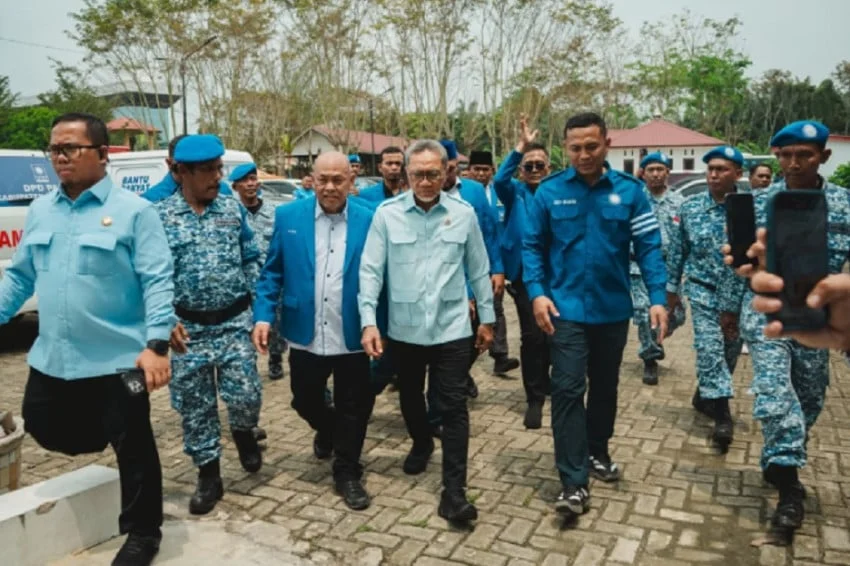
The Regional Leadership Council of the National Mandate Party for North Sumatra (DPW PAN Sumut) has officially and unequivocally reaffirmed its unwavering support for the central leadership of the party under the chairmanship of Zulkifli Hasan, popularly known as Zulhas. This decisive stance comes in direct response to swirling rumors and speculative reports regarding an alleged push for a leadership transition at the highest echelon of the party. As national politics experiences a period of heightened activity and strategic realignments, the provincial chapter in North Sumatra has stepped forward to solidify internal solidarity, emphasizing a strict adherence to party discipline and an undivided chain of command.
The declaration of support was formally articulated by the Secretary of PAN North Sumatra, Dedy Irawan, during a strategic party briefing. Irawan made it explicitly clear that the regional apparatus operates under a unified command structure aligned entirely with Zulkifli Hasan’s directives. At a time when external political currents are testing the resilience of coalition parties, the leadership in North Sumatra has chosen to prioritize structural consolidation, grassroots outreach, and active participation in national development initiatives over speculative political chatter.
Solidifying Internal Cohesion Amid Rumors
The rumors concerning a potential leadership shake-up within the National Mandate Party (PAN) began circulating across various political circles and media platforms, prompting regional branches to take a definitive stance. While political transitions and internal debates are a natural facet of modern party politics in Indonesia, the sudden emergence of these reports caused minor ripples among grassroots supporters. In response, the North Sumatra chapter mobilized quickly to quell uncertainties and project a unified front.
Dedy Irawan elaborated that the primary focus of DPW PAN Sumut remains steadfastly anchored on organizational consolidation and structural reinforcement at every administrative tier—from the provincial level down to the regencies, municipalities, sub-districts, and villages. According to party insiders, maintaining structural integrity is vital for electoral preparedness and for ensuring that the party’s policy objectives are effectively translated into tangible benefits for the constituency. Rather than getting entangled in speculative narratives regarding the chairmanship, the regional leadership has directed its cadres to concentrate on community service and public advocacy.
External Pressures and Coalition Dynamics
A critical dimension of the current political climate surrounding PAN involves its strategic positioning within the broader national coalition. As a vital component of the government coalition supporting President Prabowo Subianto, PAN has consistently demonstrated cooperative alignment with the administration’s policy agenda. However, this close partnership has also made the party a frequent subject of external political maneuvering and scrutiny.
According to analysis from regional party representatives, the recent rumors and attempts to destabilize the leadership of Zulkifli Hasan are not isolated incidents. Instead, they are interpreted by party loyalists as orchestrated efforts by external political actors who harbor reservations about PAN’s robust and harmonious relationship with President Prabowo Subianto. These opposing factions, analysts suggest, may seek to fracture the internal solidarity of coalition parties to create leverage or shift the balance of power within the national executive-legislative matrix.
By standing firmly behind Zulkifli Hasan, DPW PAN Sumut aims to signal that attempts to drive a wedge between the party leadership and the presidential administration will fail. The North Sumatra chapter views Zulhas as a unifying figure capable of navigating complex coalition dynamics while maintaining the party’s independent identity and strategic objectives.
Recent Parliamentary Controversies and Party Discipline
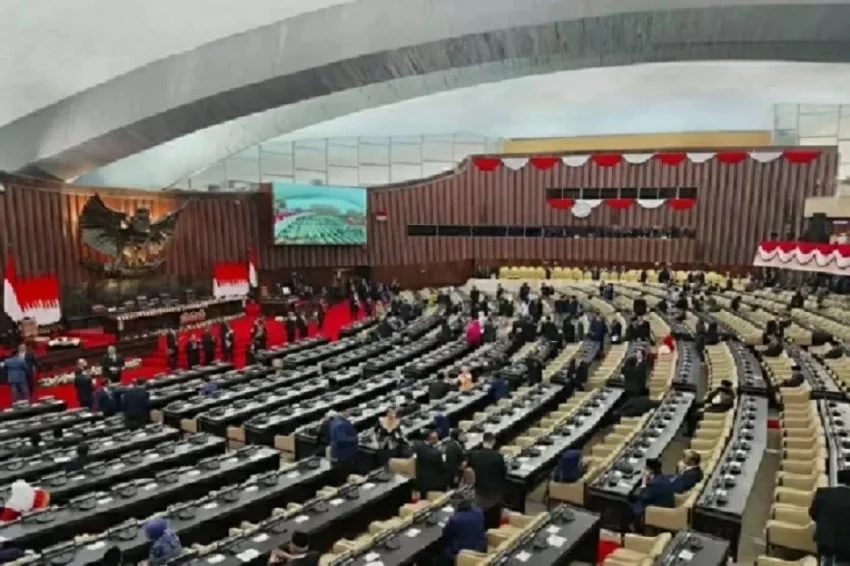
The reaffirmation of support by the North Sumatra branch also coincides with recent parliamentary developments involving individual members of the PAN faction in the House of Representatives (DPR RI). Observers note that internal party discipline has occasionally faced tests as individual lawmakers take distinct stances on high-profile national issues.
For instance, recent legislative discussions surrounding parliamentary inquiries and oversight mechanisms—such as the petition concerning the impeachment proposals involving high-ranking state officials—have highlighted diverse opinions within political factions. Specifically, public attention was drawn when certain PAN lawmakers engaged in parliamentary maneuvers that diverged slightly from the collective stance perceived by the broader coalition. While parliamentary democracy accommodates individual expressions of legislative rights, the central leadership under Zulkifli Hasan has continually emphasized the necessity of maintaining cohesive alignment with party policies and coalition commitments.
This delicate balancing act between permitting democratic discourse within the legislature and maintaining strict organizational discipline underscores the importance of strong central leadership. Regional branches like DPW PAN Sumut view Zulkifli Hasan’s continued stewardship as essential for managing these internal parliamentary dynamics without letting them spiral into factional divisions that could weaken the party’s national standing.
Broader Implications for National Politics and Regional Stability
The proactive stance taken by North Sumatra—one of PAN’s critical electoral strongholds—carries significant implications for the broader political landscape in Indonesia. As political parties begin positioning themselves well in advance of upcoming electoral cycles, maintaining stability at the regional level is paramount.
- Electoral Preparedness: North Sumatra represents a diverse and highly competitive electoral landscape. A united regional apparatus ensures that local campaigns remain focused on constituent needs rather than internal distractions.
- Coalition Resilience: Reaffirming loyalty to the central chairman reinforces trust among coalition partners, demonstrating that the administration’s legislative support base remains robust and predictable.
- Deterrence Against Destabilization: Clear and forceful rejections of leadership rumors by major regional chapters act as a deterrent to external actors attempting to engineer artificial crises within political parties.
Political analysts observe that regional chapters serving as bulwarks for central leadership play a decisive role in neutralizing rumors before they can gain traction at the national level. By declaring themselves "one command" under Zulkifli Hasan, DPW PAN Sumut has effectively closed the door on speculative narratives concerning succession, allowing the national executive board to direct its full attention toward governance, economic advocacy, and structural consolidation.
Conclusion and Future Outlook
As the political year progresses, the National Mandate Party under the leadership of Zulkifli Hasan faces both opportunities and challenges. The unwavering backing demonstrated by DPW PAN Sumut illustrates a high degree of organizational maturity and loyalty among regional cadres. Moving forward, the party’s ability to maintain this internal harmony while actively serving the public and supporting the national government will be instrumental in determining its political trajectory. With its leadership structure firmly reinforced by regional mandates, PAN appears well-prepared to weather current political storms and continue its active participation in Indonesia’s democratic governance.