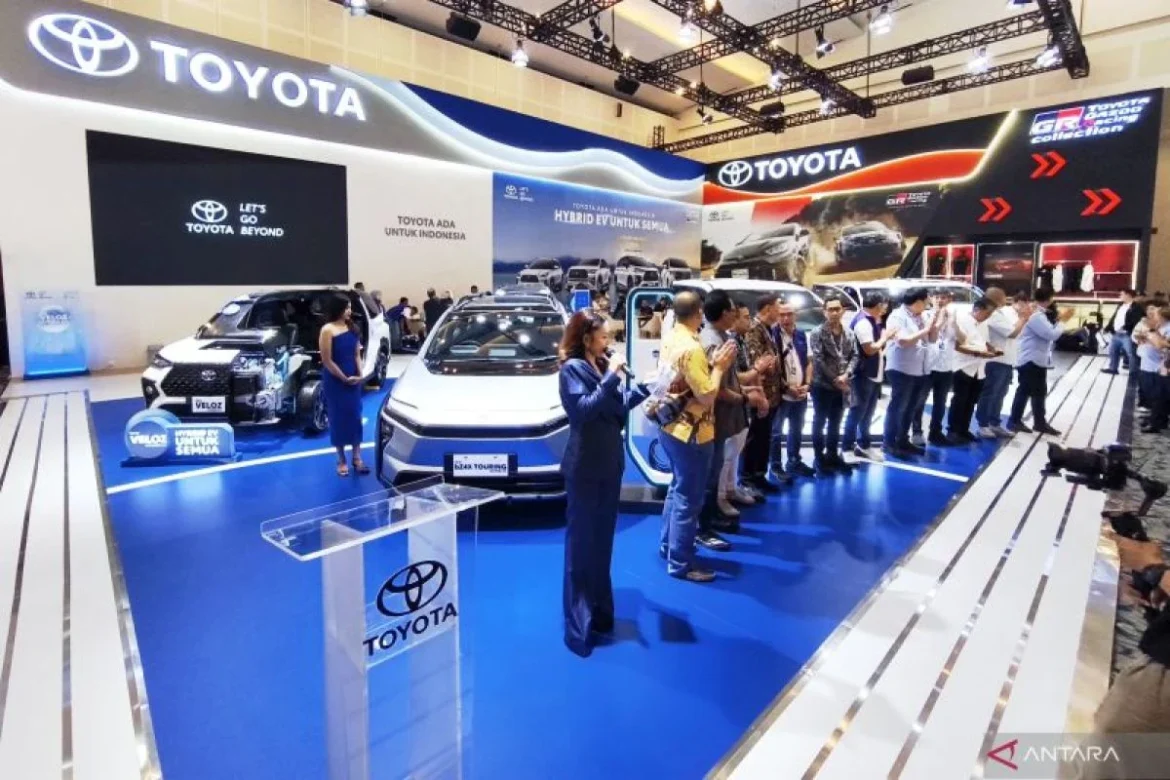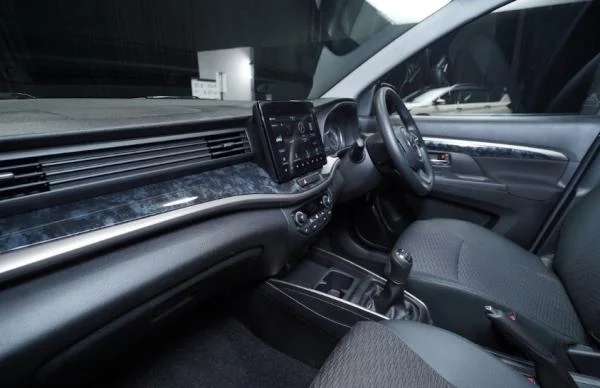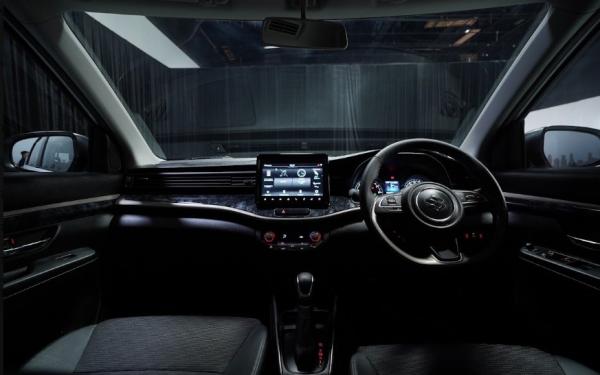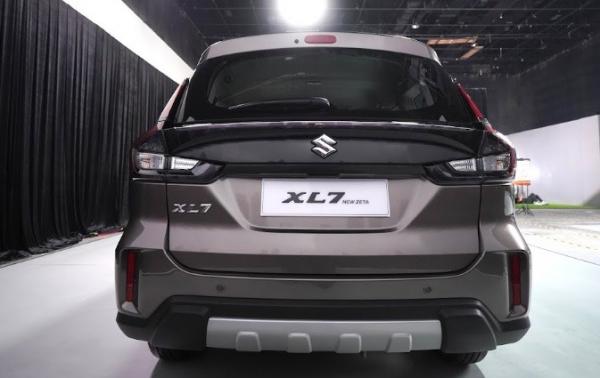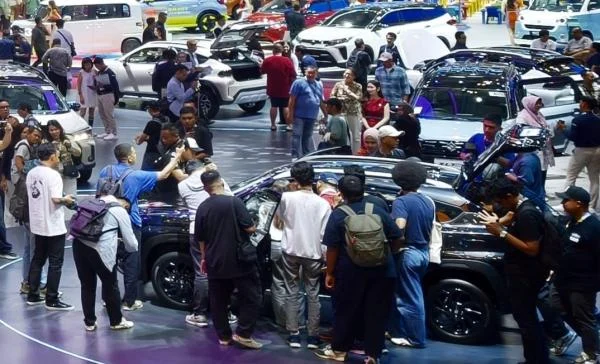
Following a highly successful series of exhibitions in Jakarta’s ICE BSD City, Surabaya, and Bandung, the Gaikindo Indonesia International Auto Show (GIIAS) The Series 2026 is set to arrive in Central Java. The Semarang iteration of this premier automotive exhibition will take place from September 30 to October 4, 2026, hosted at the prestigious Muladi Dome within the Universitas Diponegoro (UNDIP) complex. This event marks the fifth consecutive year that Semarang has been featured as a cornerstone city in the GIIAS national circuit, highlighting the growing significance of the Central Java region in the broader Indonesian automotive landscape.
Strategic Importance of the Central Java Automotive Market
The selection of Semarang as a host city for GIIAS is far from arbitrary. As the capital of Central Java, Semarang serves as a vital logistics and economic artery for the province. The automotive industry in Indonesia has been steadily decentralizing, shifting focus from a purely Jabodetabek-centric model to one that emphasizes regional growth and provincial distribution.
According to data provided by the Association of Indonesia Automotive Industries (GAIKINDO), the Central Java market has demonstrated remarkable resilience and growth potential. As of April 2026, the region recorded total sales of 14,195 vehicles, accounting for approximately 5.1 percent of the total national market share. While this percentage may appear modest compared to the massive volumes seen in West Java or Jakarta, industry analysts suggest that the steady growth rate in Central Java indicates a rising middle class and an increasing demand for both entry-level passenger vehicles and commercial transport solutions.
The Evolution of GIIAS: A National Roadshow
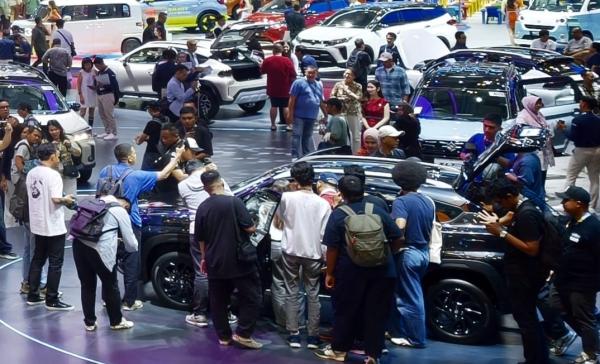
GIIAS has historically functioned as the primary launchpad for new vehicle models, cutting-edge automotive technologies, and advancements in sustainable mobility. The transition from a single annual event in Jakarta to a national series—The Series—has allowed manufacturers to engage directly with consumers in major provincial hubs.
The chronology of the 2026 series began with the flagship event at ICE BSD, where major global manufacturers showcased their latest internal combustion engine (ICE) vehicles, hybrids, and Battery Electric Vehicles (BEVs). By bringing this exhibition to Bandung, Surabaya, and now Semarang, GAIKINDO aims to demystify new technologies for regional consumers. For many residents of Central Java, the exhibition offers a rare opportunity to engage with global brands in an interactive environment, facilitating test drives and direct consultations with manufacturer representatives.
Emphasizing the Shift Toward Electric Mobility
One of the central themes of GIIAS Semarang 2026 will be the integration and adoption of Electric Vehicles (EVs). The Indonesian government has set ambitious targets for the transition to a greener transportation ecosystem, and Central Java is increasingly being viewed as a potential hub for both the distribution and future servicing of electric fleets.
Kukuh Kumara, the Secretary-General of GAIKINDO, emphasized that the regional exhibitions are designed to align with the government’s vision of a carbon-neutral automotive sector. "Jawa Tengah has a very significant opportunity for the national automotive industry," Kumara stated. "The potential for the Central Java market is strengthening alongside the development of the electric vehicle ecosystem in the region."

This shift is supported by local infrastructure projects. The expansion of charging station networks (SPKLU) across the Trans-Java Toll Road has made the ownership of electric vehicles more practical for residents in Semarang and surrounding areas, effectively removing the "range anxiety" that previously hindered EV adoption in secondary cities.
Technical and Economic Implications for the Region
The arrival of GIIAS in Semarang is expected to stimulate the local economy in several distinct ways. Beyond the direct sales generated during the five-day event, the exhibition serves as a massive gathering for automotive supply chains, financiers, and local entrepreneurs.
- Financial Services Integration: The automotive sector is heavily reliant on vehicle financing. During GIIAS Semarang, banks and multi-finance companies often offer promotional interest rates and flexible down payment options. This, combined with the presence of multiple brands under one roof, allows consumers to compare financing packages, which historically leads to a spike in purchasing activity during the event.
- Infrastructure and Logistics: The choice of the Muladi Dome at UNDIP highlights the intersection of academic innovation and industrial application. The university setting provides an opportunity for industry leaders to engage with students and local researchers regarding the future of engineering, vehicle design, and maintenance, fostering a local talent pipeline for the automotive sector.
- Regional Market Development: By hosting a high-profile exhibition, Semarang solidifies its position as a secondary hub that can compete with the purchasing power of East Java. This encourages automotive manufacturers to invest more in regional dealerships, service centers, and spare parts distribution hubs, ultimately reducing the cost of ownership for Central Javanese consumers.
Challenges and Future Outlook
While the growth in Central Java is promising, the automotive industry faces ongoing challenges. Global supply chain fluctuations, raw material costs, and the need for a stable regulatory environment remain critical factors.
The Indonesian government’s recent efforts to refine financial regulations—such as those implemented by the Financial Services Authority (OJK) concerning the legitimacy of funds used in financial markets—reflect a broader trend toward institutional transparency. While these regulations are specifically targeted at stock markets, they create a ripple effect of compliance and professionalism across all sectors, including automotive finance, ensuring that the industry remains robust and resistant to systemic risks.

Looking forward, the success of GIIAS Semarang 2026 will be measured not only by the number of units sold during the five-day window but also by the long-term commitment of manufacturers to the region. If the sales trajectory continues to outperform the 5.1 percent national contribution, industry analysts predict that manufacturers will increase their allocation of new vehicle stock to Central Java, potentially leading to faster delivery times and more competitive pricing for local consumers.
Conclusion: A Pivotal Event for Central Java
As the automotive industry continues to pivot toward a sustainable and technologically advanced future, GIIAS Semarang 2026 stands as a testament to the importance of regional engagement. The event is more than a trade show; it is a vital indicator of the health of Indonesia’s economic decentralization.
For the people of Semarang, the upcoming exhibition is an invitation to witness the latest innovations in mobility firsthand. For GAIKINDO and the participating brands, it is a calculated effort to tap into the burgeoning potential of one of Indonesia’s most promising markets. As the industry gathers at the Muladi Dome this September, the focus will remain on how these new technologies can best serve the diverse needs of the Central Javanese populace, balancing modern performance with the imperative of environmental responsibility.
The exhibition is expected to draw thousands of visitors, ranging from automotive enthusiasts and prospective buyers to industry professionals and academic researchers. With the event scheduled to run from September 30 to October 4, 2026, all eyes will be on the sales figures and public reception to determine the next phase of the Indonesian automotive industry’s expansion into the heart of Java.