
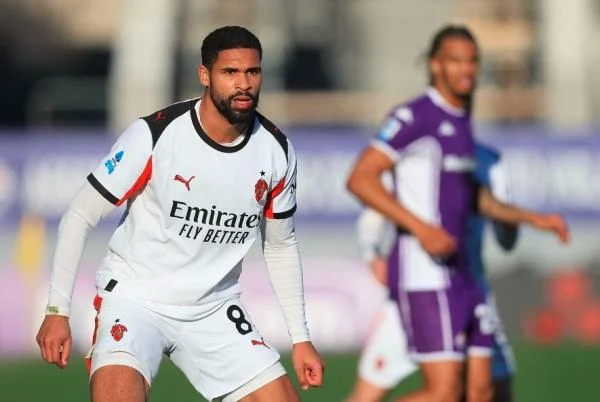
The iconic corridors of the San Siro are bracing for a significant transformation this coming January as AC Milan head coach Ruben Amorim looks to streamline his squad. Following a lackluster start to the 2024/2025 campaign, the Rossoneri hierarchy has signaled a shift in strategy, focusing on thinning out an unbalanced roster while injecting fresh talent to revitalize the club’s pursuit of domestic and European glory. At the center of this impending restructuring are senior players Pervis Estupinan and Ruben Loftus-Cheek, both of whom have struggled to find consistent footing under Amorim’s tactical regime.
The Tactical Imperative Behind the Exodus
The decision to offload established players is rarely taken lightly, yet the current state of AC Milan’s performance metrics suggests that a change is not merely desired but necessary. Under Ruben Amorim, the team has struggled to bridge the gap between its starting XI and the peripheral members of the squad. This disparity has become increasingly apparent during high-stakes encounters, most notably in the UEFA Europa League, where the club currently finds itself in a precarious position.
With three losses in four group-stage outings, Milan’s European campaign is teetering on the edge of collapse. Statistical analysis of these matches reveals a recurring trend: a lack of cohesion in the defensive transition and a midfield that often fails to provide the necessary cover or creative impetus when key players are rested or sidelined. Amorim, who arrived with a reputation for tactical discipline and high-intensity pressing, has reportedly grown frustrated with the lack of adaptability shown by certain senior squad members.
Scrutiny on Estupinan and Loftus-Cheek
Pervis Estupinan’s situation at the club has become one of the most discussed topics in the Italian press. The Ecuadorian international, who was once the subject of intense interest from Premier League side Aston Villa, was persuaded by Amorim himself to remain at the San Siro during the summer transfer window. At the time, the narrative was that Estupinan would be a cornerstone of the defensive rotation. However, his failure to adapt to the specific demands of Amorim’s wing-back system has left him on the periphery. With interest bubbling from clubs in both the English Premier League and the Turkish Super Lig, a January departure appears to be the most logical outcome for both the player and the club.
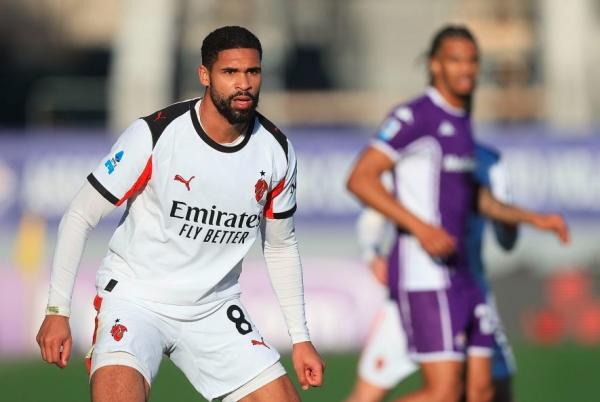
Similarly, Ruben Loftus-Cheek finds himself at a career crossroads. The English midfielder, who previously brought physicality and experience to the Milanese midfield, has found his playing time significantly curtailed. In a system that prioritizes rapid ball progression and technical precision, Loftus-Cheek’s style of play has occasionally appeared out of sync with the team’s current requirements. Sources close to the club suggest that Milan is actively looking to move him on to recoup wages and free up squad space for potential reinforcements.
Developing the Future: The Loan Strategy
While the focus remains on trimming the senior squad, the club is simultaneously implementing a long-term development strategy for its younger prospects. Talents such as Francesco Camarda and Christian Comotto are viewed as integral parts of Milan’s future, yet they are currently deemed to be at a stage in their development where regular, high-level competition is more valuable than sporadic appearances at the San Siro.
The club’s management is currently evaluating loan options that would provide these youngsters with consistent playing time. The objective is to place them in environments where they can refine their tactical awareness and physical robustness. This approach reflects a broader trend among Europe’s elite clubs: using the winter window not just for immediate fixes, but as a strategic period to ensure the long-term maturation of homegrown academy products.

Chronology of the Crisis
The current instability can be traced back to the final weeks of the summer transfer window, where high-profile acquisitions were expected to hit the ground running. When that did not materialize, the pressure on the coaching staff intensified.
- August 2024: AC Milan concludes its summer transfer business, with Ruben Amorim successfully retaining Pervis Estupinan despite strong interest from the Premier League.
- September 2024: The season kicks off with inconsistent domestic performances. The tactical gap between the starting XI and the substitutes begins to manifest in defensive lapses.
- October 2024: The Europa League campaign begins with a series of disappointing results, exposing the squad’s lack of depth. Speculation begins to mount regarding a potential clear-out.
- November 2024: Following a review of the club’s European standing, the hierarchy officially supports Amorim’s proposal to offload surplus players in January, while also scouting high-potential targets like Endrick to bolster the attacking line.
Market Dynamics and Financial Implications
The decision to enter the market in January is fraught with financial complexities. Reports indicating that Milan is prepared to invest upwards of €1.2 trillion (in local currency/valuation models) for young stars like Endrick suggest that the club is operating with a clear vision: shift the financial burden of high-wage, underperforming seniors toward sustainable investments in elite youth talent.
By parting ways with players like Loftus-Cheek, Milan can significantly optimize its wage bill. This fiscal flexibility is essential for competing with the heavy hitters of the Premier League and the financial juggernauts of Spain and Germany. Furthermore, by engaging with clubs in the Turkish Super Lig—a market that has become increasingly attractive for players seeking guaranteed first-team football—Milan is effectively broadening its network for future player movement.
The Manager’s Stance: Ruben Amorim’s Philosophy
Ruben Amorim has maintained a consistent public stance: the badge comes before the individual. His reputation as a disciplinarian is well-earned, and his willingness to make unpopular decisions is a testament to his commitment to the club’s long-term success. Behind closed doors, Amorim is said to have requested a more "agile" squad—one capable of rotating without suffering a drop-off in tactical intensity.

For the supporters, the impending exodus is a signal that the club is finally moving toward a definitive identity. The frustration of the current season is palpable, but the willingness to act decisively in the mid-season window offers a glimmer of hope that the leadership is not prepared to let the season drift into mediocrity.
Broader Impact and Future Outlook
The ripple effects of these moves will be felt across the wider Serie A landscape. As Milan enters the market, other clubs will undoubtedly monitor the situation, potentially looking to capitalize on the availability of experienced players like Estupinan and Loftus-Cheek. For Milan, the success of this strategy will be judged by the end of the 2024/2025 season.
If the winter departures lead to a more cohesive, high-energy squad capable of navigating the remainder of the Europa League and climbing the Serie A table, then the leadership of Ruben Amorim will be validated. Conversely, if the thinning of the squad leaves the team vulnerable to injuries and exhaustion, the strategy could face intense scrutiny.
Ultimately, the upcoming transfer window represents a pivotal moment for AC Milan. It is a transition period that marks the end of a brief, experimental phase and the beginning of a more calculated, youth-oriented approach. As the club navigates these changes, the focus remains on the primary goal: returning the Rossoneri to the pinnacle of European football through tactical evolution, disciplined management, and the judicious use of market opportunities. The coming weeks will be crucial as the club finalizes its targets and prepares to reshape its future at the San Siro.
