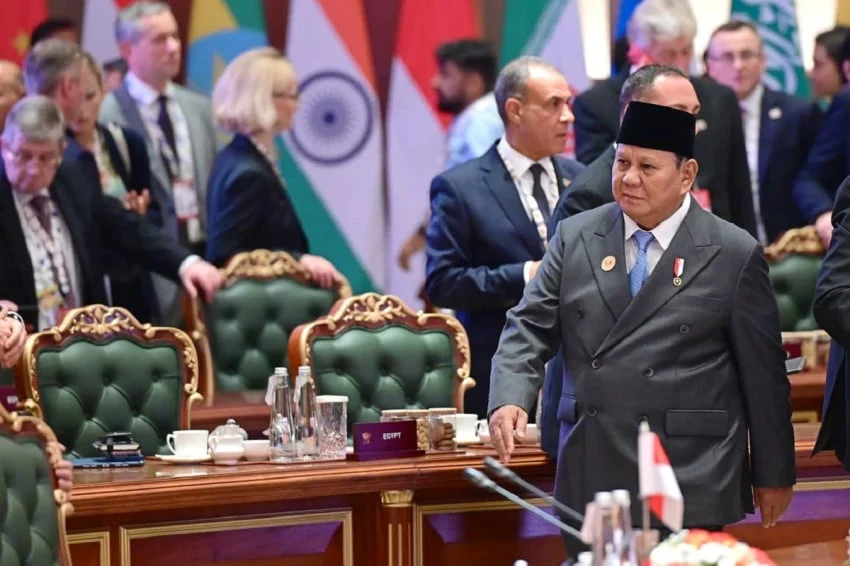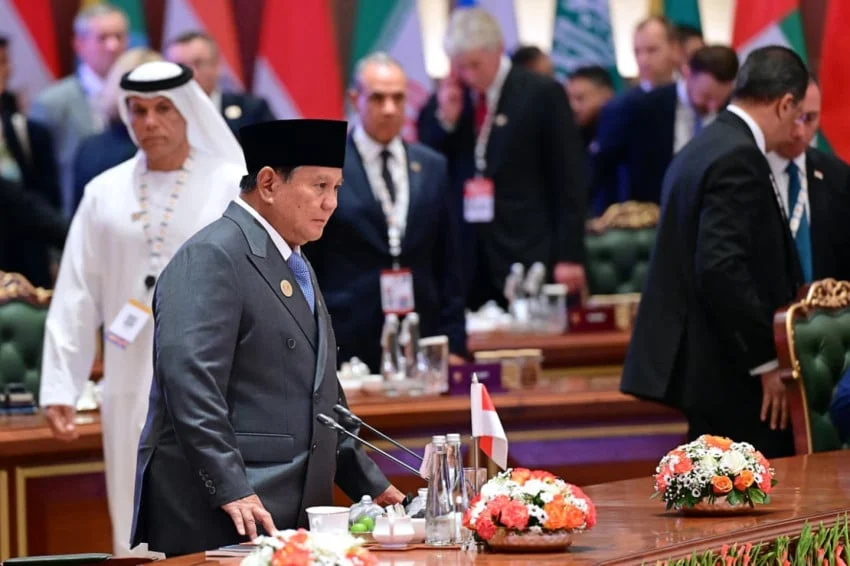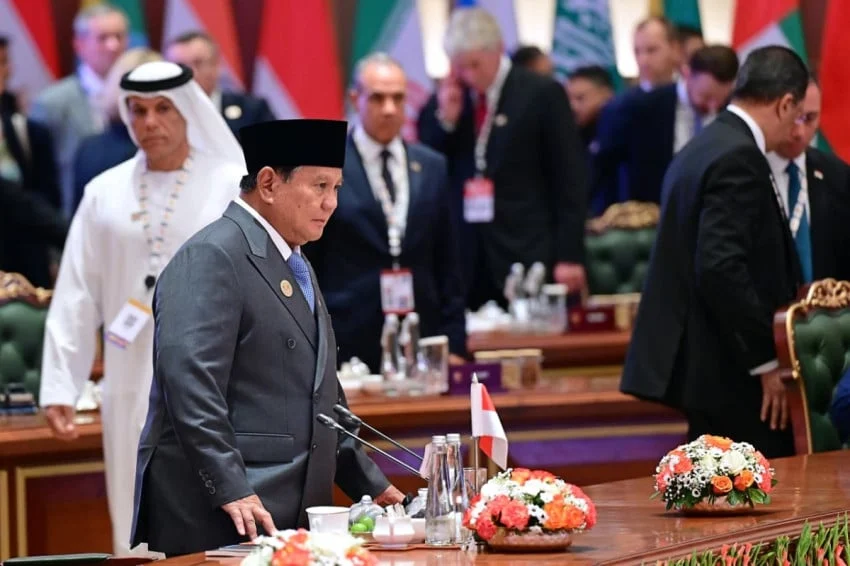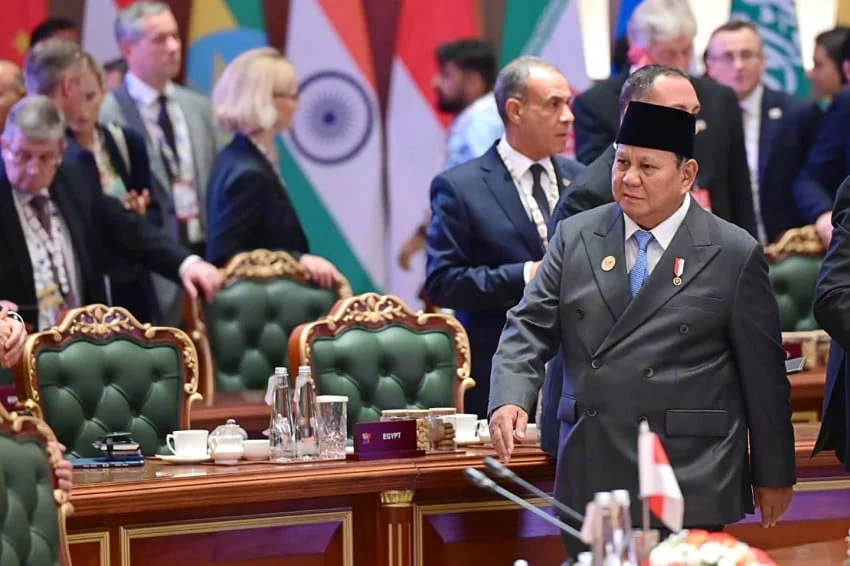
President Prabowo Subianto has officially marked Indonesia’s entry into the BRICS bloc, describing the nation’s participation in the 18th BRICS Summit in New Delhi, India, as a profound honor. During his address at the high-level session titled "Inclusive Global Governance and Strengthening Multilateralism," President Prabowo emphasized the strategic significance of Indonesia’s membership, signaling a new chapter in the country’s foreign policy aimed at fostering global cooperation among developing economies.
The summit, hosted by Indian Prime Minister Narendra Modi, serves as a pivotal platform for emerging powers to navigate the complexities of the current geopolitical and economic landscape. For Indonesia, the world’s fourth most populous nation and largest economy in Southeast Asia, this integration into the BRICS framework represents a deliberate effort to diversify its diplomatic and economic partnerships on the global stage.
The Significance of the 18th BRICS Summit
The 18th BRICS Summit, held in September 2026, has been characterized by intense deliberations regarding the reform of international institutions. As the global order faces challenges ranging from protectionist trade policies to the volatility of global supply chains, the member states—Brazil, Russia, India, China, South Africa, and the newly admitted nations—have sought to harmonize their positions on inclusive governance.
President Prabowo’s attendance at the session on "Inclusive Global Governance and Strengthening Multilateralism" underscored Indonesia’s commitment to a multipolar world. In his remarks, he expressed gratitude to Prime Minister Narendra Modi for his leadership and the warm hospitality extended to the Indonesian delegation. "It is a great honor for us to be here and to join you all in this summit," Prabowo stated. "We are a new member of BRICS, and we wish to express our gratitude to the founders of BRICS who have accepted us so quickly into this great organization, which represents half of the human population."
Contextualizing Indonesia’s Pivot to BRICS
Indonesia’s decision to join BRICS is not a sudden shift but the culmination of years of calibrated foreign policy. Historically, Indonesia has championed the "Free and Active" (Bebas Aktif) foreign policy, which seeks to maintain independence while participating actively in global affairs. By joining BRICS, Indonesia is positioning itself as a bridge between the Global North and the Global South.
The bloc, originally an acronym coined to represent the emerging economies of Brazil, Russia, India, and China, has evolved significantly since its inception in 2009. With the inclusion of South Africa in 2010 and subsequent expansion phases, the group now accounts for approximately 30% of global GDP and 45% of the world’s population. For Indonesia, this provides a massive market for its exports, including palm oil, coal, and nickel, while also offering access to alternative financial mechanisms that operate independently of traditional Western-dominated institutions.
Chronology of Indonesia’s Membership Process
The formalization of Indonesia’s membership was the result of sustained diplomatic efforts that gained momentum throughout 2025 and 2026:
- Early 2025: Discussions regarding the potential expansion of BRICS intensified, with Indonesia expressing interest in exploring the benefits of membership without compromising its non-aligned stance.
- Late 2025: Indonesia participated as a guest nation in preliminary ministerial meetings, where the focus remained on economic synergy and energy security.
- Early 2026: Formal application processes were streamlined, and Indonesia engaged in bilateral dialogues with founding members to align on core principles such as sovereign equality and non-interference.
- September 2026: During the 18th KTT BRICS in New Delhi, Indonesia was officially welcomed as a member, with President Prabowo leading the inaugural delegation.
Economic and Geopolitical Implications
The inclusion of Indonesia brings substantial weight to the BRICS agenda. As a member of the G20 and a key player in ASEAN, Indonesia’s voice carries significant influence. Economically, the country is currently undergoing a massive industrialization drive, particularly in the processing of critical minerals for the electric vehicle (EV) battery supply chain.

Analysts suggest that membership in BRICS could facilitate "South-South" cooperation, allowing for technological transfers and infrastructure investment through the New Development Bank (NDB). However, the move also presents challenges. Critics and observers have pointed out the necessity for Indonesia to balance its relations with traditional trading partners, such as the United States and the European Union, while navigating the internal tensions occasionally present within the BRICS grouping itself—such as the recent regional conflicts involving member states like Iran and the UAE.
"The challenge for the Prabowo administration will be to ensure that BRICS membership acts as a catalyst for growth rather than a source of diplomatic friction," noted a regional policy analyst. "By focusing on multilateralism and inclusive governance, Indonesia is attempting to carve out a space where it can advocate for the interests of the Global South without alienating its existing security and trade partners."
Strengthening Multilateralism: The Indonesian Stance
President Prabowo’s focus on "Inclusive Global Governance" aligns with Indonesia’s long-term goal of reforming international bodies like the United Nations and the World Trade Organization (WTO). By joining a bloc that seeks to diversify the international monetary system, Indonesia is signaling its support for a more equitable distribution of global economic power.
In his speech, Prabowo highlighted the importance of collective action. The representation of "half of the human population" within BRICS is a key metric for the Indonesian government, which views the bloc as a legitimate representative of the aspirations of developing nations. The government’s strategy appears to be rooted in the belief that global stability cannot be maintained if the majority of the world’s population remains marginalized in the decision-making processes of international institutions.
Official Responses and Future Outlook
The reception of Indonesia into the bloc has been largely positive among current members. Prime Minister Modi’s acknowledgment of the Indonesian delegation reflected the strengthening ties between New Delhi and Jakarta. Domestically, the Indonesian government has framed this development as a win for national sovereignty and economic diversification.
Looking ahead, the next steps for Indonesia involve integrating its national development goals with the BRICS roadmap for 2030. This includes participation in specialized working groups focused on agriculture, sustainable development, and digital transformation. The Ministry of Foreign Affairs is expected to release a comprehensive policy document outlining the specific benefits and obligations of this new membership in the coming weeks.
Furthermore, the impact on Indonesia’s investment climate is expected to be significant. With the prospect of increased trade with China, India, and Brazil, Indonesia’s industrial sectors may see an influx of foreign direct investment aimed at developing value-added manufacturing. This aligns with President Prabowo’s vision of Indonesia as a self-reliant industrial powerhouse by the next decade.
Conclusion: A New Era of Diplomacy
As the 18th BRICS Summit draws to a close, the world watches to see how the expansion of the bloc will alter the global power structure. For Indonesia, the journey has only just begun. President Prabowo’s clear commitment to the organization signals that Indonesia is ready to take a more assertive role in shaping the future of global multilateralism.
While the complexities of international relations remain, the move into BRICS provides Indonesia with a diversified portfolio of alliances. By prioritizing inclusive growth and equitable governance, the nation is positioning itself to navigate the challenges of the 21st century with a strengthened voice and a broader network of partners. As a nation that represents a significant portion of the world’s future, Indonesia’s integration into the BRICS framework is likely to be viewed by historians as a defining moment in the evolution of modern international relations.