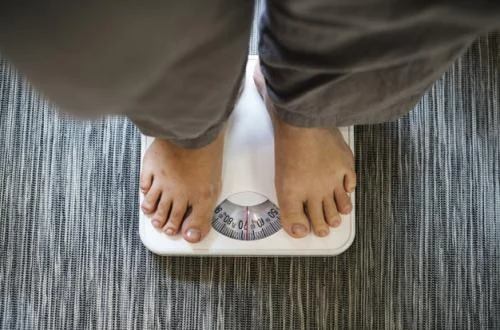
The physiological transition into the fifth decade of life often brings a series of complex metabolic shifts that make weight management significantly more challenging for a large segment of the global population. Medical experts and health practitioners have long observed that individuals aged 50 and older frequently report a noticeable increase in body fat percentage and a greater difficulty in shedding excess weight compared to their younger counterparts. This phenomenon is not merely a product of lifestyle choices but is deeply rooted in the biological evolution of the human body as it ages. Dr. Caroline Apovian, a prominent weight loss specialist at the Boston University Medical Center, emphasizes that the primary drivers of this weight gain are the progressive decline in physical activity and the involuntary loss of skeletal muscle mass, a condition known clinically as sarcopenia. As the global population continues to age—a demographic shift often referred to as the "Silver Tsunami"—understanding the mechanisms of geriatric weight gain and implementing evidence-based interventions has become a critical priority for public health systems.
The Biological Foundations of Weight Gain in the Aging Population
To understand why the age of 50 serves as a pivotal point for weight fluctuations, it is necessary to examine the chronological progression of human metabolism. Starting as early as the late 30s, the human body begins to experience a gradual decrease in its basal metabolic rate (BMR), which is the number of calories required to keep the body functioning at rest. By the time an individual reaches 50, this decline often accelerates due to a combination of hormonal changes and cellular aging. In women, the transition through menopause involves a significant drop in estrogen levels, which has been scientifically linked to an increase in visceral fat—the dangerous "hidden" fat stored around the abdominal organs. In men, a gradual decline in testosterone can lead to reduced muscle protein synthesis, further exacerbating weight gain.
Dr. Apovian points out that while decreased activity and muscle loss are the "twin engines" of weight gain in older age, they do not act in isolation. Other contributing factors include a slowing metabolism and chronic sleep disturbances. Research indicates that as people age, the architecture of their sleep changes, often resulting in shorter durations of deep, restorative sleep. Sleep deprivation is a known disruptor of hunger-regulating hormones, specifically increasing ghrelin (the hunger hormone) and decreasing leptin (the satiety hormone). When an individual over 50 is chronically fatigued, the body naturally craves high-calorie, sugary foods for quick energy, creating a feedback loop that facilitates rapid weight gain.
The Critical Role of Muscle Mass and the Challenge of Sarcopenia
One of the most significant hurdles in maintaining a healthy weight after 50 is the onset of sarcopenia. This age-related loss of muscle mass is not just a matter of physical strength; it is a metabolic crisis. Muscle tissue is significantly more metabolically active than adipose (fat) tissue. Even at rest, muscle fibers require more energy to maintain than fat cells. Therefore, as an individual loses muscle, their daily caloric requirement drops. If that individual continues to consume the same amount of food they did in their 30s or 40s, the excess energy is stored as fat.
Data from the National Institutes of Health (NIH) suggests that after the age of 30, adults can lose between 3% to 8% of their muscle mass per decade, and this rate increases after the age of 60. For the 50-year-old demographic, this means the body is essentially becoming less efficient at burning fuel. This biological reality necessitates a shift in how weight management is approached—moving away from extreme caloric restriction and toward strategies that preserve and build lean muscle.
Low-Impact Physical Activity as a Sustainable Foundation
For many individuals over 50, high-intensity interval training (HIIT) or heavy weightlifting may pose risks to joint health or cardiovascular stability if not approached correctly. Consequently, fitness experts recommend a foundation of low-impact physical activities. Tyler Read, a certified personal trainer, suggests that consistency is more valuable than intensity for this age group. Low-impact exercises such as walking, swimming, cycling, rowing, Tai Chi, and yoga offer a way to elevate the heart rate and burn calories without placing excessive stress on the musculoskeletal system.
The benefits of these activities extend beyond simple calorie burning. According to clinical data published by WebMD and various geriatric health journals, regular low-impact exercise improves systemic blood circulation, which is vital for cardiovascular health. Furthermore, these activities enhance proprioception—the body’s ability to sense its position in space—thereby reducing the risk of falls and subsequent injuries, which are leading causes of disability in the elderly. By maintaining a baseline of movement, individuals can mitigate the metabolic slowdown associated with a sedentary lifestyle.
Resistance Training and the Mitigation of Visceral Fat
While aerobic exercise is essential for heart health, resistance training is the gold standard for fat loss and muscle preservation in the 50-plus demographic. A study published in the journal Current Sports Medicine Reports highlights that resistance training is particularly effective at reducing visceral adipose tissue. Unlike subcutaneous fat, which sits just under the skin, visceral fat is metabolically active and releases inflammatory cytokines that are linked to type 2 diabetes, heart disease, and certain cancers.
Resistance training, which can involve the use of elastic bands, light dumbbells, or bodyweight exercises, stimulates muscle protein synthesis. By challenging the muscles, individuals can stall or even reverse the effects of sarcopenia. This increased muscle mass acts as a "metabolic furnace," allowing the body to maintain a higher BMR. Additionally, resistance training has been shown to improve bone mineral density, a crucial factor for women in the post-menopausal stage who are at a higher risk for osteoporosis.
Nutritional Strategies: The Mediterranean and DASH Frameworks
Exercise alone is rarely sufficient to combat the physiological changes of aging; it must be paired with a sophisticated nutritional approach. Modern dietetics increasingly points toward two specific eating patterns for the aging population: the Mediterranean diet and the Dietary Approaches to Stop Hypertension (DASH) diet. Both frameworks emphasize whole, unprocessed foods and are backed by extensive clinical research.
The Mediterranean diet, rich in healthy fats (such as olive oil and avocados), lean proteins (particularly fish), and a vast array of vegetables and fruits, is noted for its anti-inflammatory properties. For an individual over 50, inflammation is a key driver of weight gain and metabolic syndrome. Meanwhile, the DASH diet focuses on reducing sodium intake and increasing minerals like potassium, calcium, and magnesium, which helps in managing blood pressure—a common concern for older adults.
Regardless of the specific diet chosen, the fundamental principle of weight loss remains the caloric deficit. However, Tyler Read notes that the quality of those calories is paramount. In the over-50 demographic, protein intake must be prioritized to support muscle maintenance. Experts suggest that older adults may actually need more protein per kilogram of body weight than younger adults to achieve the same level of muscle protein synthesis. A successful weight loss plan for this age group involves a modest caloric deficit—typically 250 to 500 calories below maintenance—to ensure that the body loses fat rather than precious muscle tissue.
Broader Public Health Implications and Analysis
The struggle to maintain a healthy weight after 50 is not merely an individual concern; it is a systemic issue with profound economic and social implications. Obesity in the aging population is directly correlated with an increased burden on healthcare systems. Chronic conditions such as osteoarthritis, cardiovascular disease, and metabolic disorders require long-term medical intervention and can significantly reduce an individual’s quality of life and independence.
From a sociological perspective, the "aging well" movement has gained momentum, encouraging a shift in how society views the 50+ demographic. No longer seen as the beginning of a decline, these years are increasingly viewed as a "second act" where health optimization is possible. However, this requires a departure from the "fad diet" culture that often targets younger audiences. Instead, the focus for the 50+ population must be on sustainable, evidence-based lifestyle modifications that acknowledge the body’s changing biology.
The analysis of current health trends suggests that the most successful individuals in this age group are those who adopt a holistic view of health. This includes not only diet and exercise but also stress management and sleep hygiene. As Dr. Apovian and other experts suggest, the goal is not to chase a specific number on the scale, but to improve body composition—increasing muscle while decreasing fat—to ensure longevity and vitality.
Conclusion and Future Outlook
In summary, while the biological cards may seem stacked against those over the age of 50, weight management is entirely achievable through a combination of scientific understanding and disciplined lifestyle choices. The key lies in addressing the root causes: the loss of muscle and the reduction in physical activity. By integrating low-impact movement for cardiovascular health, resistance training for metabolic strength, and a nutrient-dense diet for systemic health, individuals can navigate the challenges of aging with resilience.
As research continues to evolve, we can expect more personalized nutritional and exercise prescriptions tailored to the unique genetic and hormonal profiles of older adults. For now, the three-pronged approach of low-impact activity, resistance training, and a balanced diet remains the most effective defense against age-related weight gain. The journey to health after 50 is not about reclaiming youth, but about optimizing the present to ensure a functional and vibrant future. Through proactive management, the 50s can be a decade of health transformation rather than metabolic decline.