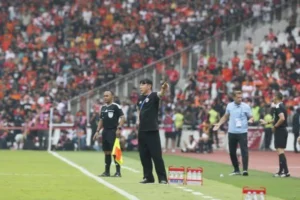
The tactical ingenuity of head coach Shin Tae-yong came to the forefront once again during a high-stakes fixture in the Indonesian top-flight football scene. On Saturday, September 12, 2026, the historic Stadion Utama Gelora Bung Karno (SUGBK) in Jakarta played host to one of Southeast Asia’s fiercest rivalries, a classic El Clásico encounter in Indonesian football between perennial powerhouses Persija Jakarta and Persib Bandung. During this crucial week two fixture of the Super League 2026/2027 season, the South Korean tactician orchestrated a surprising tactical maneuver that immediately drew widespread attention from pundits, analysts, and fans alike.
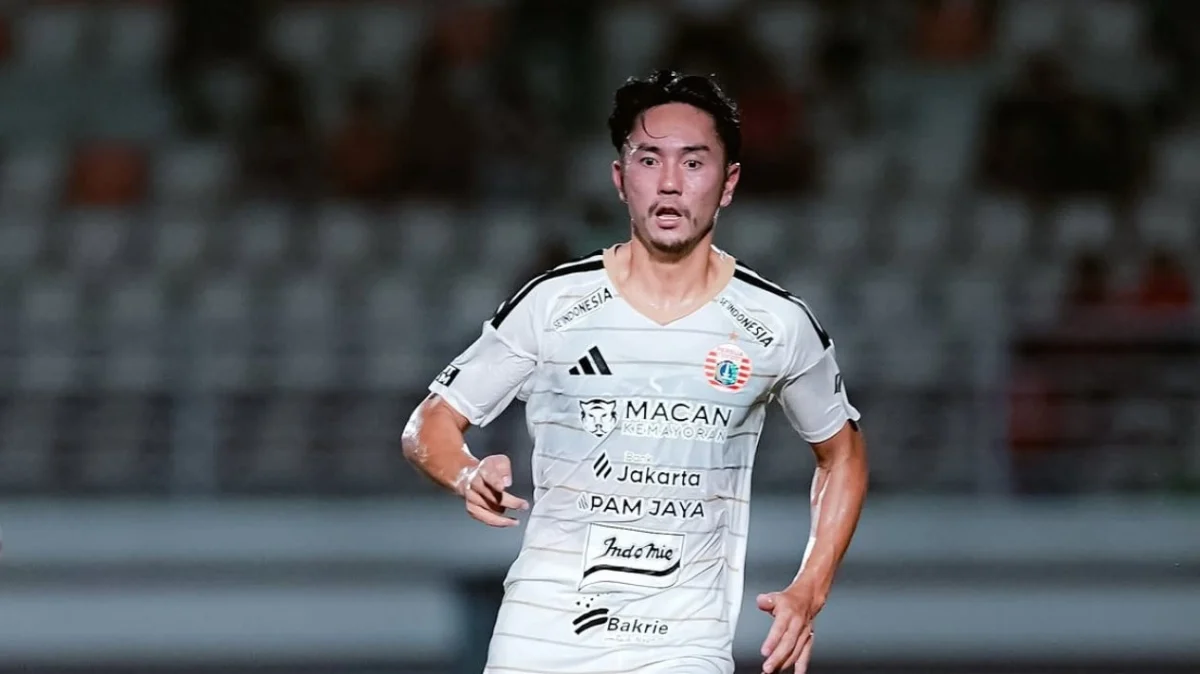
In a move that defied conventional expectations, Shin Tae-yong deployed Japanese midfielder Kyohei Yoshino not in his natural central midfield position, but rather as a right-back within a fluid three-man defensive structure. This strategic gamble proved pivotal in shaping the dynamics of the match, particularly during a dominant first half that ultimately set the tone for Persija Jakarta’s masterclass performance. As the sporting world dissects the tactical nuances of modern football management, this high-profile fixture offered a fascinating case study in positional flexibility, tactical discipline, and the meticulous planning required to neutralize a formidable opponent in a derby atmosphere.
Background Context and The Weight of the Rivalry
Matches between Persija Jakarta and Persib Bandung, affectionately known as the Indonesian Derby, carry immense emotional and sporting weight. The historical animosity and fierce competition between the two clubs transcend ordinary league fixtures, often acting as a barometer for the health and competitiveness of the nation’s football ecosystem. Entering the second week of the Super League 2026/2027 season, both squads were eager to establish early dominance and secure vital points to propel their respective championship campaigns.
Persija Jakarta, playing under the stewardship of the vastly experienced and tactically astute Shin Tae-yong, entered the match with a clear objective: to control the tempo, stifle Persib’s notoriously dangerous transitional attacks, and exploit wide areas through disciplined tactical execution. Shin, renowned for his rigorous tactical discipline during his tenure with the South Korean national team and various high-profile clubs, has continuously emphasized positional versatility. Modern football increasingly demands athletes who can seamlessly transition between defensive duties and offensive support without compromising structural integrity.
It was within this high-pressure context that Shin evaluated his squad depth and tactical options ahead of the weekend clash at SUGBK. With injuries, tactical matchups, and the specific strengths of Persib’s attacking trident to consider, the coaching staff formulated a blueprint that relied heavily on unconventional player roles. Chief among these was the repositioning of Kyohei Yoshino, a seasoned Japanese import whose extensive background in the J-League provided him with the tactical intelligence required to execute such a demanding role.
The Tactical Blueprint: Unleashing Kyohei Yoshino
When the official team sheets were released ahead of the Saturday evening kickoff, the inclusion of Kyohei Yoshino in the starting lineup was anticipated, but his designated position sparked immediate debate among analysts. While Yoshino had built his reputation as a reliable and industrious central midfielder, Shin Tae-yong envisioned a different utility for the Japanese orchestrator.
In the tactical setup deployed at SUGBK, Persija lined up with a three-man central defense complemented by wing-backs. Yoshino was stationed on the right side of this defensive and transitional architecture, operating behind the midfield line. He was flanked on the opposite side by Kerim Memija, while the central defensive and midfield responsibilities were anchored by the likes of Fabio Calonego and Stjepan Loncar.
Post-match press conferences provided deeper insight into the psychological and tactical framework behind this decision. Shin Tae-yong addressed the media with characteristic frankness, explaining that Yoshino’s extensive experience in Japanese football had instilled in him a high degree of tactical maturity and defensive awareness.
"Kyohei is a player with great ability and a lot of experience in the J-League," Shin stated through a translator after the final whistle. "He possesses the flexible defensive capability to fill various defensive areas, such as central defense, right-back, or defensive midfield."
The South Korean manager elaborated that the primary driving force behind the selection was defensive stability rather than offensive explosion. Against a side as potent on the counter-attack as Persib Bandung, leaving flanks exposed could prove fatal. Yoshino’s positional discipline and superior defensive IQ made him a more stable option on the right flank compared to a traditional, attack-minded wing-back.
"Because he is more stable defensively than offensively, I placed him in the right-back position today," Shin added.
This calculated adjustment allowed Persija to maintain a structurally sound block during defensive transitions. When Persija was in possession, Yoshino pushed forward to provide width on the right wing, stretching the Persib defensive line. Conversely, upon losing possession, he swiftly dropped back to reinforce the defensive line, effectively transforming the formation into a robust four or five-man rear guard that completely neutralized the visitors’ wide threats.
Chronology and Match Analysis: Dominance at SUGBK
The strategic deployment of Yoshino yielded immediate dividends from the opening whistle. The first half of the encounter served as a tactical masterclass by the home side, heavily influenced by the structural stability provided by the shifted lineup.
Persija Jakarta dominated the opening forty-five minutes through suffocating possession play and aggressive, organized pressing. Official match statistics from the first half underscored this absolute dominance, showing Persija controlling 59 percent of possession compared to Persib Bandung’s 41 percent. The tactical containment engineered by Shin ensured that Persib’s creative outlets were effectively starved of service.
Throughout the first half, Persija registered two clean shots on target, continuously probing the opposition’s defensive block. In stark contrast, Persib Bandung failed to register a single shot directed at the target during the entire first half—a testament to the suffocating defensive structure anchored by Yoshino on the right, alongside his defensive partners. The positional discipline exhibited by Yoshino ensured that Persib’s left-sided attackers were denied space to cut inside or deliver crosses into the penalty box.
The tactical fluidity was not limited to Yoshino alone. Shin’s overarching game plan demanded high levels of adaptability across the entire squad. Players were required to rotate zones, cover for advancing teammates, and maintain strict spatial awareness. However, Yoshino’s seamless adaptation from central midfield to a hybrid right-back role stood out as the defining tactical subplot of the opening half.
As the match progressed into the second half, Persib attempted tactical adjustments of their own, introducing fresh legs and altering their attacking angles to bypass Persija’s defensive block. Yet, the foundation laid in the first forty-five minutes provided the home side with a psychological and structural advantage that they managed to preserve until the final whistle, securing a historic and morale-boosting victory in front of a roaring home crowd at SUGBK.
Broader Impact and Implications for the Super League Season
The success of Shin Tae-yong’s tactical gamble against Persib Bandung carries significant implications for the remainder of the Super League 2026/2027 campaign. In modern football, predictability is a manager’s greatest enemy. By demonstrating a willingness to reinvent player roles and trust foreign imports in unconventional positions, Shin has signaled to the rest of the league that Persija Jakarta is a tactically adaptable and unpredictable adversary.
For Kyohei Yoshino personally, this performance elevates his status within the squad. Versatility is an invaluable asset in a long, grueling league season plagued by injuries, suspensions, and fixture congestion. Knowing that Yoshino can seamlessly transition from central midfield to defensive flanks without a drop in performance gives the coaching staff tremendous tactical flexibility moving forward.
Furthermore, the clean sheet and dominant statistical performance against a traditional rival will instill immense confidence in the Persija squad. Defensively sound foundations are the bedrock upon which championship-winning teams are built. If Shin can maintain this level of tactical discipline and defensive stability while unlocking further potential in the attacking third, Persija Jakarta will undoubtedly cement their status as leading contenders for the Super League crown this season.
As the league progresses through its grueling calendar, tactical innovations such as the deployment of Kyohei Yoshino at right-back will be analyzed closely by opposing managers attempting to decode Shin Tae-yong’s blueprint. For now, however, the masterclass at SUGBK stands as a testament to meticulous preparation, tactical bravery, and the profound impact of strategic flexibility in elite-level football.