The growing threat of a clean water crisis in Indonesia has escalated into a critical national concern, directly jeopardizing the fulfillment of safe and reliable drinking water for millions of citizens. Driven by a complex nexus of environmental degradation, shifting weather patterns, and demographic pressures, the nation’s water security is facing unprecedented stress. According to recent evaluations, the convergence of escalating water pollution, rapid climate change, unchecked population growth, and intense pressure on natural water reservoirs has created a formidable barrier to maintaining a sustainable supply of potable water that is both safe and fit for human consumption.
This impending crisis does not merely stem from an absolute physical scarcity of water on Earth, but rather from severe systemic inefficiencies. The Ministry of Environment has clarified that the core of the problem lies in restricted public access to clean water resources, a persistent decline in the quality of raw water sources, and significant inequities in regional management and distribution systems. These compounding challenges mean that the physical presence of water in a given region does not automatically guarantee that local populations have access to safe drinking water. Water sources that are heavily polluted or fail to meet strict health standards require extensive, costly, and technologically advanced treatment processes before they can be deemed safe for daily household consumption.
The urgency of this situation demands a comprehensive examination of the underlying factors, historical timelines, official governmental strategies, and the broader socio-economic implications facing the archipelago as it navigates one of its most critical environmental trials of the modern era.
Escalating Pressures on Natural Water Resources
The mounting pressure on Indonesia’s water supply network is heavily exacerbated by competing demands from various sectors of the economy. Rapid industrialization, intensive agricultural practices, and expanding urban households have significantly increased the extraction of raw water. Over-extraction from both surface water bodies and subterranean aquifers has depleted natural reserves at an alarming rate, straining the foundational water infrastructure that supports local communities.
Compounding this extraction pressure is the pervasive issue of environmental contamination. Industrial effluent discharge, agricultural runoff laden with fertilizers and pesticides, and inadequate domestic wastewater management have compromised the integrity of major rivers and lakes. Consequently, water utilities are forced to allocate substantial resources toward water treatment technologies just to bring contaminated sources up to basic health standards. In densely populated urban centers, this challenge is magnified by leaking distribution pipes and inadequate piped water coverage, forcing many residents to rely on unregulated groundwater extraction, which in turn accelerates land subsidence and saltwater intrusion in coastal metropolises like Jakarta.
Background Context and Climate Vulnerability
Indonesia’s geographical and meteorological profile makes it uniquely vulnerable to hydro-meteorological shocks. Straddling the equator with thousands of islands, the nation experiences distinct wet and dry seasons that are increasingly erratic due to global climate disruption. Historical weather patterns that once allowed agricultural and water resource planners to predict rainfall volumes with reasonable accuracy have broken down, leading to prolonged droughts in some regions and devastating floods in others.
Over the past decade, the recurrence of extreme climate phenomena such as El Niño has severely disrupted precipitation cycles across the Indonesian archipelago. During El Niño years, rainfall volumes drop drastically, drying up vital reservoirs, shrinking river discharges, and lowering groundwater tables. Conversely, the transition phases bring intense, concentrated downpours that erode topsoil, overwhelm urban drainage systems, and contaminate surface water sources with silt and biological pollutants.
This climate volatility interacts dangerously with human-induced environmental degradation. Deforestation in critical upland water catchments has severely diminished the land’s natural capacity to absorb rainwater and recharge underground aquifers. Without these natural sponges, rainwater rushes off into the sea rather than replenishing sub-surface reserves, leaving regions highly susceptible to acute water shortages during the dry months.
Chronology of Government Intervention and Strategic Responses
Recognizing the gravity of these escalating threats, the Indonesian government has systematically elevated water security to a top national priority. The timeline of policy formulation and emergency response highlights a progressive shift from reactive disaster management to proactive structural adaptation.
In the early 2020s, recurrent droughts linked to global climate anomalies exposed vulnerabilities in regional water supply chains, prompting the central government to initiate comprehensive evaluations of national water infrastructure. By 2023 and 2024, the administration accelerated structural interventions under national strategic projects aimed at climate resilience.
A pivotal milestone in this timeline occurred in late 2025 and carried into early 2026, when authorities intensified efforts to combat the combined threats of El Niño and localized hydro-meteorological disasters. Recognizing that localized water scarcity could trigger social unrest and public health emergencies, the central government launched major initiatives to bolster water self-sufficiency across the country. These strategic measures span from the easternmost province of Papua to the arid landscapes of Nusa Tenggara, focusing on the construction of new reservoirs, rainwater harvesting systems, deep groundwater wells, and decentralized water treatment plants tailored to vulnerable communities.
Furthermore, regulatory frameworks have been tightened to curb illegal and excessive groundwater extraction by commercial entities. Regional governments have been mandated to monitor industrial water usage more strictly and incentivize the adoption of wastewater recycling technologies.
Official Reactions and Institutional Perspectives
Stakeholders across various government ministries, environmental agencies, and municipal water utilities (PDAM) have voiced urgent calls for integrated watershed management.
Representatives from the Ministry of Environment have consistently emphasized that technical solutions alone—such as building more treatment plants—will not solve the crisis if the source waters continue to deteriorate. Institutional statements stress that protecting upstream forests and strictly enforcing anti-pollution laws for industrial and domestic waste are non-negotiable prerequisites for sustainable water management.
Meanwhile, regional water utility operators have highlighted the financial burdens of treating increasingly polluted raw water. According to municipal utility associations, the cost of chemicals and energy required to purify heavily contaminated rivers has risen steadily, placing pressure on operational budgets and threatening tariff stability for consumers. Utility leaders have urged the central government to expedite inter-regional water supply pipelines that can transport raw water from surplus areas to deficit zones, thereby alleviating local over-reliance on stressed aquifers.
Public health officials have similarly added their voices to the discourse, warning that inadequate access to clean drinking water directly correlates with rising incidences of waterborne diseases, stunting in children, and overall community vulnerability. They advocate for continuous water quality monitoring at the household level, particularly in rural and peri-urban communities where piped infrastructure is sparse.
Fact-Based Analysis of Broader Implications
The unfolding water crisis carries profound socio-economic and developmental implications for Indonesia. If left unchecked, the depletion and contamination of clean water supplies threaten to stall economic productivity, undermine public health gains, and exacerbate social inequalities.
Economically, industries that rely heavily on water—such as food and beverage manufacturing, textiles, agriculture, and energy production—face operational risks and potential output reductions during prolonged dry spells. Agriculture, which accounts for the vast majority of national water consumption, is particularly vulnerable. Crop failures driven by irrigation water deficits can trigger inflationary spikes in staple food prices, threatening national food security and straining rural livelihoods.
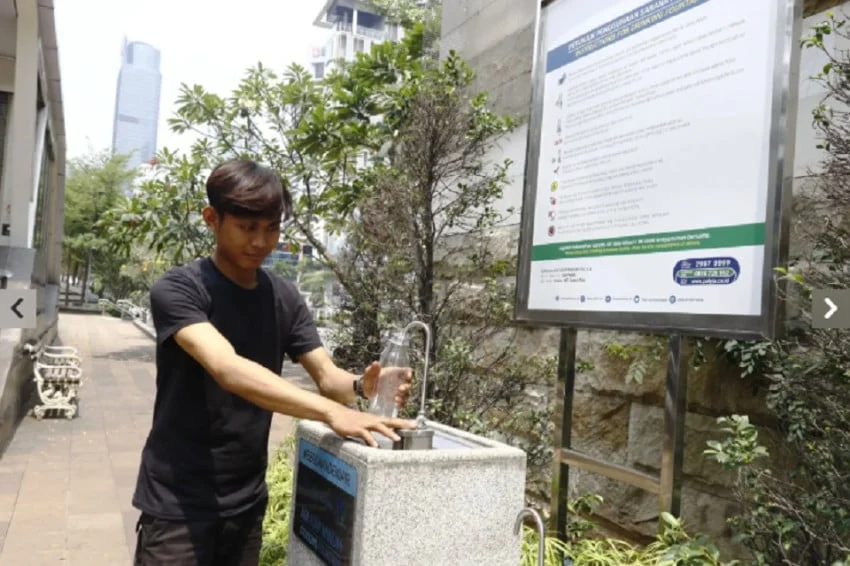
Socio-economically, the burden of water scarcity disproportionately affects marginalized and low-income populations. Households lacking access to municipal piped water often spend a significant portion of their disposable income purchasing bottled water or relying on unregulated private vendors, rendering clean water a regressive household expense. Furthermore, women and children, who are traditionally tasked with fetching water in communities lacking infrastructure, face lost educational and economic opportunities.
Ecologically, the continued over-exploitation of groundwater accelerates environmental degradation, including irreversible land subsidence in coastal areas and the destruction of freshwater ecosystems. These ecological losses diminish the natural resilience of the environment, creating a self-reinforcing cycle of vulnerability.
Addressing this multifaceted challenge requires sustained political will, robust cross-sectoral coordination between central and regional authorities, aggressive enforcement of environmental protections, and substantial investments in resilient water infrastructure. Only through a holistic and proactive approach can Indonesia safeguard its vital water resources and secure a sustainable, water-secure future for its growing population.