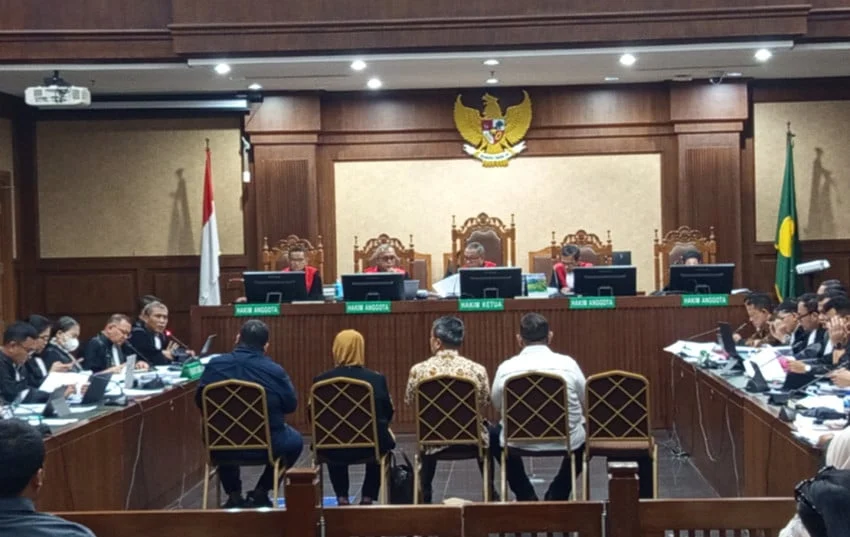
The Corruption Court at the Central Jakarta District Court reconvened on Monday, November 9, 2026, to resume the high-profile trial concerning alleged extortion and money laundering charges involving the former Junior Attorney General for Special Crimes, Febrie Adriansyah. The proceedings, which attracted significant public and media attention, centered on the presentation of four key witnesses by the public prosecutor’s office. These witnesses included corporate legal representatives, financial sector retirees, and banking executives whose testimonies are expected to shed light on the complex financial transactions and alleged illicit activities underpinning the indictment.
Monday’s hearing represents a pivotal moment in ongoing judicial efforts to establish accountability within top-tier law enforcement institutions. As the state seeks to substantiate multifaceted allegations of abuse of power, extortion, and the subsequent laundering of proceeds, the courtroom proceedings provide a detailed window into the intersection of corporate compliance, state financial institutions, and regulatory enforcement.
Main Facts and Witness Testimonies
The public prosecutor’s office (JPU) presented a quartet of witnesses chosen for their professional backgrounds in corporate legal management, state-owned export financing, and steel manufacturing. According to statements made by the prosecution team at the onset of the hearing, the inclusion of these individuals aims to trace the flow of funds and examine corporate interactions with regulatory authorities during the period in question.
The four witnesses summoned to testify before the panel of judges are:
- Eky Pratama, Legal Manager at PT Sinar Mas Agro Resources and Technology (SMART), who was questioned regarding corporate compliance frameworks and potential interactions with regulatory or investigative bodies.
- Rijani T Bondan, a retiree from the Indonesian Export Financing Agency (LPEI), whose insights are expected to clarify institutional protocols and historical credit or funding portfolios managed during her tenure.
- Tan Hendy Taizar, Vice President at PT Inti Sumber Baja Sakti, who provided operational and financial context regarding the steel industry and corporate governance practices within heavy manufacturing sectors.
- Sunu Widi Purwoko, a former employee of the Indonesian Export Financing Agency (LPEI), providing continuity with Rijani T Bondan in detailing institutional operations and procedural standards within state-backed financial bodies.
These witnesses were brought forward to testify not only regarding Febrie Adriansyah but also concerning two co-defendants linked to the case, Don Ritto and Nurman Herin. The inclusion of multiple defendants points to an alleged coordinated network spanning regulatory oversight, intermediary actions, and corporate beneficiaries.
Background Context and Chronology of the Case
The legal proceedings against Febrie Adriansyah stem from a sweeping investigation into alleged corruption, extortion, and money laundering (TPPU) within the Office of the Attorney General. As the former Junior Attorney General for Special Crimes—a powerful division tasked with prosecuting major corruption and economic crimes—Febrie’s downfall sent shockwaves through Indonesia’s legal establishment.
The chronology of the case traces back to internal and external audits that flagged irregularities in how high-profile investigations were handled, particularly concerning settlement practices and asset recovery mechanisms. Investigators from anti-corruption and internal oversight bodies began compiling evidence suggesting that investigative authority was systematically leveraged to extract financial benefits from corporate entities facing scrutiny.
Key milestones in the timeline include:
- Initial Internal Audits and Whistleblower Reports: Early investigative steps were triggered by discrepancies in financial asset handovers and complaints from corporate actors alleging undue pressure during ongoing corruption probes.
- Formal Investigation and Designation of Suspects: State investigative agencies formally elevated the status of the inquiry, naming Febrie Adriansyah and associated figures, including Don Ritto and Nurman Herin, as suspects in the extortion and money laundering scheme.
- Pre-Trial Motions and Indictment Submissions: Legal teams representing the defendants filed various preliminary objections, which were largely dismissed by the courts, paving the way for the substantive trial phase.
- Commencement of Witness Examinations: The trial entered its evidentiary phase, featuring testimonies from industry executives, banking professionals, and former state enterprise employees to map out the financial conduits used in the alleged crimes.
Supporting Financial and Corporate Data
The charges of money laundering leveled against the defendants require prosecutors to establish a clear predicate offense—in this case, extortion—followed by layers of financial transactions designed to disguise the illicit origin of the funds. The selection of witnesses from major corporate entities like PT Sinar Mas Agro Resources and Technology and PT Inti Sumber Baja Sakti underscores the prosecution’s strategy to examine the corporate demand side of regulatory pressure.
Financial analysts following the trial note that cases involving high-ranking law enforcement officials typically rely on three pillars of evidence: corporate ledger analysis, asset tracing across domestic and offshore accounts, and whistleblower testimonies detailing face-to-face negotiations. The testimonies of banking and financing veterans from the LPEI further assist the court in distinguishing standard institutional lending and restructuring practices from irregular financial maneuvers intended to obscure beneficial ownership of funds.
Official Responses and Legal Perspectives
Legal observers and representatives from various institutional bodies have closely monitored the proceedings, noting that the trial serves as a litmus test for the integrity of Indonesia’s judiciary and anti-corruption framework.
Defense attorneys representing Febrie Adriansyah have consistently maintained their client’s innocence, arguing that the indictment relies on circumstantial evidence and misinterprets standard administrative procedures as criminal acts. The defense has focused on cross-examining witnesses to highlight gaps in the timeline presented by the prosecution and to contest the validity of the financial tracing reports submitted as primary evidence.
Conversely, anti-corruption watchdogs and legal analysts have pointed out potential vulnerabilities in the construction of the money laundering charges. Discussions among legal academics center on whether the prosecution can definitively prove the specific intent (mens rea) required for a money laundering conviction, or if the financial movements cited in the indictment can be explained through legitimate commercial transactions. Legal experts have highlighted these specific evidentiary hurdles, noting that establishing a direct link between regulatory coercion and corporate fund transfers remains the central challenge for the state attorneys.
Broader Impact and Systemic Implications
The trial of Febrie Adriansyah carries profound implications for the institutional architecture of Indonesia’s law enforcement agencies. As the former head of a division designed to spearhead the nation’s fight against white-collar crime, his prosecution highlights the persistent challenges of internal corruption and the abuse of discretionary authority within investigative bodies.
The broader impacts of these judicial proceedings can be categorized across several key areas:
- Institutional Reform and Oversight: The case has intensified demands for independent oversight mechanisms within the Attorney General’s Office and the police force, ensuring that anti-corruption bodies are themselves subject to rigorous accountability standards.
- Investor Confidence and Corporate Governance: For the business community, particularly large conglomerates and heavy industry players represented by witnesses in this trial, the proceedings underscore the importance of transparent compliance programs. Companies operating in high-regulation sectors face delicate balances when managing interactions with investigative agencies, making legal predictability a vital component of foreign and domestic investment climate stability.
- Precedent for Future Corruption Prosecutions: The judicial outcome will likely set a legal precedent regarding how courts evaluate complex money laundering charges against former law enforcement officials. The rigor applied in proving the nexus between official power and illicit enrichment will shape future prosecutions of high-ranking state functionaries.
As the trial proceeds through subsequent sessions of witness examinations and expert testimony, the Central Jakarta Corruption Court remains the focal point for accountability and the rule of law in Indonesia. The ability of the judiciary to deliver a transparent, evidence-based verdict will significantly influence public trust in the nation’s ongoing anti-corruption campaign.