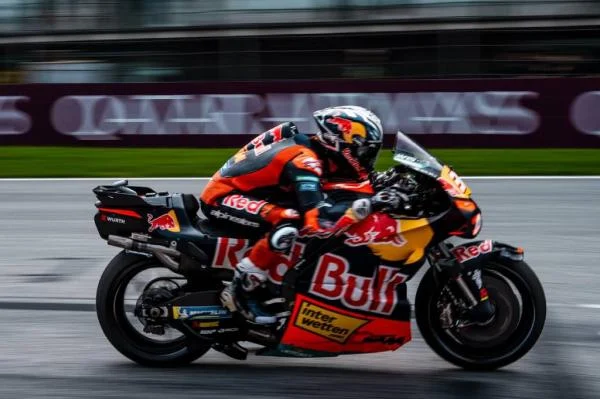
The landscape of professional motorcycle racing is defined by more than just raw horsepower and aerodynamic precision; it is defined by the psychological state of the athlete and the harmony between rider and machine. Pedro Acosta, currently one of the most heralded talents in the MotoGP paddock, has shed light on a pivotal juncture in his career. The Spanish rider recently opened up about the potential risks he faced during the 2025 season while navigating a challenging tenure with KTM, revealing that a premature exit to the VR46 Ducati team in 2026 might have been counterproductive to his long-term trajectory.
A Strategic Decision Amidst Professional Turbulence
During the 2025 season, Acosta faced significant hurdles. KTM, a manufacturer historically known for its aggressive development cycles, was grappling with technical inconsistencies that left its riders struggling to bridge the gap to the dominant Ducati machinery. For a rider of Acosta’s caliber—a prodigy who arrived in the premier class with sky-high expectations—the inability to fight for podiums on a consistent basis created an environment of frustration.
It was during this period of professional dissatisfaction that discussions regarding a move to the VR46 Racing Team, a satellite outfit operating within the Ducati ecosystem, began to surface. While such a move would have granted him access to the Desmosedici, arguably the most balanced bike on the grid, Acosta suggests that his mental state at the time could have acted as a barrier to success. He believes that the baggage of his frustrations with the KTM project might have bled into his adaptation process at Ducati, potentially stunting his growth rather than accelerating it.
The Chronology of a High-Stakes Transition
The timeline of this transition highlights the complexities of modern MotoGP rider management. Throughout 2025, the rumor mill was dominated by speculation regarding Acosta’s future. Despite the allure of the Ducati package, Acosta opted for a disciplined approach, choosing to honor the final year of his contract with KTM.
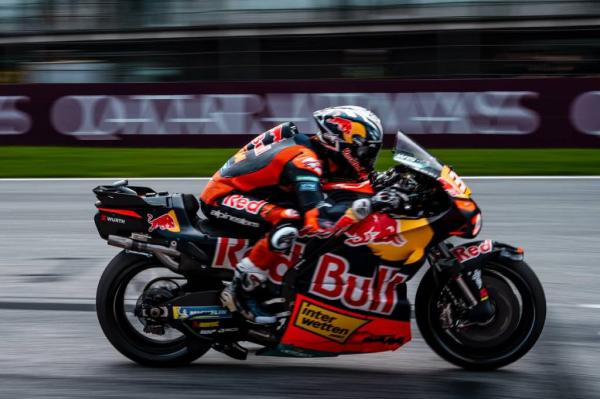
This decision was not made in isolation. By staying with the Austrian manufacturer, Acosta aimed to conclude his developmental chapter on his own terms, focusing on technical feedback and data collection rather than a hasty departure. This period of resilience ultimately paid off. By the 2026 season, Acosta had managed to recalibrate his approach, leading to a landmark victory at the Austrian Grand Prix—a result that served as a testament to his persistence and his capacity to overcome adversity.
Following this breakthrough, the long-term future of the young Spaniard was solidified. It was confirmed that starting in 2027, Acosta would step into the factory Ducati team, partnering with the legendary Marc Marquez. This move is widely considered one of the most significant transfers in recent history, pairing the sport’s most successful active veteran with its brightest rising star.
Analyzing the Impact of Equipment and Mindset
In the world of Grand Prix racing, the transition from one manufacturer to another is rarely seamless. The ergonomics, the power delivery, and the electronics suite of a Ducati differ drastically from those of a KTM. Acosta’s admission suggests a profound level of self-awareness; he understood that simply changing the machine would not have been a panacea if his own approach to racing remained clouded by the frustrations of the previous season.
Data from the 2025-2026 period indicates that the "Ducati Cup" phenomenon—where almost every rider on a Desmosedici was capable of winning—created immense pressure. If Acosta had jumped into that environment while still attempting to process the technical limitations of his previous bike, the learning curve might have become a vertical wall. Instead, by waiting, he ensured that his entry into the Ducati fold would be as a finished product rather than a disgruntled prospect.
Supporting Data: The 2026 Season Context
The 2026 season has been marked by significant volatility. Weather-affected race weekends, such as the cancellation of the Australian Grand Prix, have tested the mettle of the entire grid. In such a high-pressure environment, consistency is the ultimate currency.

Acosta’s development during this time has been statistically significant. His maiden win in Austria was not merely a stroke of luck; it was the culmination of refined braking strategies and improved corner-exit speed. Analysts note that his ability to extract performance from the KTM in its twilight phase proved to his future employers at Ducati that he possesses the technical maturity required to lead a factory development program.
Broader Implications for the MotoGP Grid
The move to pair Acosta with Marc Marquez in 2027 carries significant weight for the sport. For Ducati, it represents a "dream team" strategy, aiming to monopolize the championship standings by securing the two most influential Spanish riders on the grid. For the rest of the manufacturers—KTM, Aprilia, and the Japanese contingent of Yamaha and Honda—this development is a major cause for concern.
Furthermore, Acosta’s public transparency regarding his mental state provides a rare glimpse into the psychological pressures faced by MotoGP athletes. It serves as a reminder that these riders are not merely components of the machine, but human beings whose performance is inextricably linked to their environment and their internal motivation.
Reaction from the Paddock
While team principals have remained largely tight-lipped about the internal discussions of 2025, the consensus within the paddock is one of respect for Acosta’s decision-making process. Industry insiders have noted that "rushing into a top-tier ride before the rider is mentally prepared to leave their previous commitments behind often leads to a premature end to a promising career."
Acosta’s patience has effectively bought him a more stable future. By choosing to resolve his situation with KTM rather than fleeing, he maintained his reputation as a professional who respects contractual obligations, a trait that is highly valued by factory management teams like Ducati.

Looking Toward the 2027 Horizon
As the 2026 season draws to a close, the focus is shifting rapidly toward the upcoming technical regulation changes for 2027. With new engine displacement rules and aerodynamic restrictions looming, the stability of the Ducati factory team will be paramount. Having a rider like Acosta, who has experience in overcoming technical deficits, will be an asset as Ducati looks to maintain its competitive advantage against a resurgent field.
The partnership with Marc Marquez is expected to be a symbiotic one. Marquez, with his years of championship-winning experience, provides the benchmark for excellence, while Acosta brings the raw, unbridled pace that characterizes the new generation of MotoGP stars. The "frustration" that Acosta once feared might ruin his transition has instead become the foundation of his resilience, ensuring that when he finally dons the red overalls of the Ducati factory team, he will be ready to compete for the world title from the very first lap of the winter tests.
In summary, Pedro Acosta’s journey from a frustrated rider at KTM to the future of the Ducati factory team is a masterclass in career management. His candid admission regarding the timing of his transfer underscores the importance of mental fortitude in a sport where milliseconds decide legacies. As the 2026 season concludes and the focus shifts to the 2027 campaign, the industry watches with anticipation, confident that the decision to wait was the defining moment that prepared Acosta for the challenges of his imminent future. The narrative of his career is one of calculated risks, resilience, and a deep understanding of the delicate balance between man and machine.