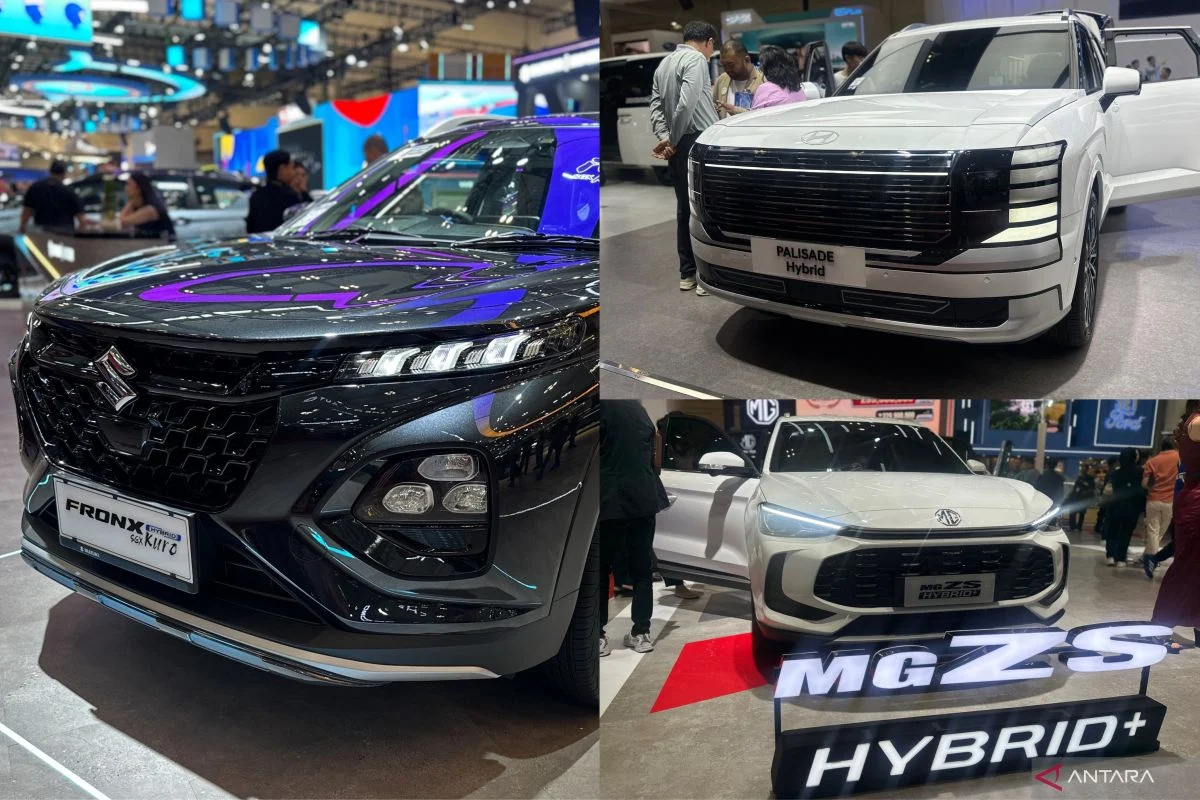
Jakarta – The rapid acceleration of vehicle electrification has fundamentally transformed the Indonesian automotive landscape, offering consumers an unprecedented array of choices when purchasing a new car. Beyond traditional internal combustion engine vehicles, the market is now heavily populated by hybrid electric vehicles (HEVs) and fully electric Battery Electric Vehicles (BEVs). As showrooms expand their eco-friendly lineups, prospective buyers are tasked with evaluating which technology best aligns with their daily commuting habits, lifestyle demands, and long-term financial planning.
The divergence between these two primary electrified technologies lies deeply rooted in their mechanical foundations, energy consumption patterns, range capabilities, and charging infrastructures. While both systems represent a significant step away from conventional fossil-fuel dependency, they operate under fundamentally different paradigms that dictate user experience, operational expenditures, and overall practicality.
Understanding the Mechanics: Hybrid versus Battery Electric Systems
At the core of the decision-making process is a fundamental operational difference. Hybrid vehicles feature a traditional internal combustion engine—typically powered by gasoline—coupled with an electric motor and a compact battery pack. This dual-power architecture allows the vehicle to intelligently switch between gasoline, pure electric power, or a combination of both, depending on real-time driving conditions. The battery is primarily self-charging, replenished through regenerative braking and excess energy generated by the internal combustion engine.
In contrast, Battery Electric Vehicles discard the internal combustion engine entirely. Energy storage is centralized in a large, high-capacity battery pack that exclusively drives one or more electric motors. Because there is no backup fuel source, BEV owners must rely entirely on external charging infrastructure to replenish the vehicle’s energy stores periodically. This structural distinction shapes every facet of ownership, from how drivers plan intercity road trips to how they manage their household energy consumption.
Market Momentum: Exponential Growth in Indonesia’s Electrified Sector
The growing popularity of both hybrid and electric vehicles is not merely a consumer preference shift, but a measurable market transformation. Data compiled by the Association of Indonesian Automotive Industries (GAIKINDO) highlights the meteoric rise of electrified vehicles within the national market.
Throughout 2025, total sales of electrified vehicles—encompassing hybrids, plug-in hybrids, and BEVs—reached an impressive 175,144 units, marking a substantial leap from the 103,228 units recorded in 2024. A closer examination of the data reveals dynamic shifts within the segments. Hybrid vehicle sales grew from 59,903 units in 2024 to 65,943 units in 2025. Meanwhile, BEV adoption experienced an even more dramatic surge, climbing from 43,188 units to 103,931 units over the same twelve-month period.
This upward trajectory extended seamlessly into 2026. GAIKINDO figures indicate that hybrid sales alone reached approximately 50,373 units between January and July 2026, while BEVs continued to capture significant market share. Industry analysts attribute this sustained growth to rising environmental awareness, aggressive new model introductions, and ongoing government discussions regarding fiscal incentives for eco-friendly vehicles.
Flexibility and Range: Why Hybrids Remain the Go-To for Long-Distance Travel
For motorists whose routines involve frequent long-distance journeys or cross-province road trips, hybrid vehicles offer a distinct advantage: absolute operational flexibility. When the onboard battery’s charge depletes, the internal combustion engine seamlessly takes over, allowing the driver to continue uninterrupted. Refueling is as simple as stopping at any conventional gas station, leveraging an extensive, decades-old fuel distribution network that spans the archipelago.
This characteristic makes hybrids exceptionally practical for drivers who frequently travel to rural or remote regions where public electric vehicle charging stations remain sparse. Owners are entirely liberated from "range anxiety" and do not need to meticulously map out their journeys around charging hubs, positioning hybrids as a transitional yet highly reliable option for diverse driving environments.
Urban Practicality: The Case for Pure Electric Vehicles
Conversely, BEVs offer unmatched convenience and simplicity for urban dwellers. By eliminating the internal combustion engine, pure electric vehicles drastically reduce mechanical complexity, translating to fewer moving parts, lower maintenance requirements, and zero tailpipe emissions. For city residents who enjoy dedicated home charging setups—such as a wall-box installed in a private garage or designated apartment parking space—the daily routine of refueling becomes obsolete. Instead of visiting a fuel station, owners simply plug their vehicles in overnight, waking up every morning with a full "tank."
The supporting ecosystem for BEVs has experienced aggressive expansion. State electricity company PT PLN (Persero) reported that by March 2026, it had deployed 4,769 Public Electric Vehicle Charging Stations (SPKLU) across 3,097 strategic locations throughout Indonesia. Furthermore, PLN has optimized placement to ensure the average distance between charging stations is approximately 22 kilometers, drastically mitigating urban range concerns.
Time, Energy, and Infrastructure Considerations
Charging and refueling times present another vital point of divergence. Hybrid vehicles can be replenished in a matter of minutes at any gasoline station, allowing drivers to resume their travels instantly.
For BEV owners, charging duration depends heavily on battery capacity, charger output, and the type of facility utilized. Standard residential charging generally requires several hours, making overnight home charging the most efficient strategy. However, to address the needs of drivers on the move, PLN has continually scaled up its fast-charging capabilities. The rollout of SPKLU Centers equipped with Ultra Fast Charging technology allows compatible BEVs to replenish significant battery percentages in a fraction of the time required by standard chargers, narrowing the convenience gap with traditional vehicles.
Analyzing Total Cost of Ownership
When evaluating operational expenditures, pure electric vehicles generally present a higher potential for energy savings due to the lower cost of electricity compared to subsidized or non-subsidized fossil fuels. However, actual cost-reduction margins vary significantly based on vehicle efficiency, local electricity tariffs, individual driving styles, and fluctuating fuel prices.
Hybrids, while still reliant on gasoline, maximize efficiency through their electric motors, significantly cutting down fuel consumption during stop-and-go urban traffic congestion. Financial analysts emphasize that prospective buyers should look beyond the initial sticker price. A comprehensive total cost of ownership (TCO) analysis must factor in daily energy expenses, scheduled maintenance costs, annual vehicle taxes, insurance premiums, and projected resale values over a multi-year ownership horizon.
Tailoring the Choice to Individual Lifestyles
Ultimately, the choice between a hybrid and a battery electric vehicle is not a binary question of which technology is superior, but rather which system aligns with the consumer’s unique operational profile.
Hybrids are exceptionally well-suited for motorists who frequently undertake long-distance intercity drives, regularly visit regions with limited charging infrastructure, or prefer the peace of mind that comes with a dual-fuel system. They serve as an ideal bridge for drivers who want improved fuel efficiency and reduced emissions without altering their traditional refueling habits.
On the other hand, BEVs are the optimal choice for urban-centric drivers who have secure access to residential or workplace charging facilities, travel predictable daily distances, and wish to sever their reliance on fossil fuels entirely. For those who frequently tackle long-distance routes but still desire the efficiency of electrification, plug-in hybrids or standard hybrids remain viable compromises.
As the Indonesian automotive market matures through 2026 and beyond, consumers are encouraged to meticulously evaluate their daily mileage, local charging availability, frequency of long-haul travel, and budget constraints. By weighing these practical parameters against the backdrop of rapidly expanding infrastructure and evolving government policies, buyers can secure a sustainable mobility solution tailored precisely to their needs.