Every year on September 9th, Indonesia observesNational Sports Day, widely recognized as Hari Olahraga Nasional (Haornas). This significant annual commemoration serves as both a nostalgic look back at the nation’s athletic heritage and a forward-looking catalyst to encourage citizens to incorporate physical activity into their daily routines. Far beyond a mere ceremonial date on the calendar, Haornas encapsulates the indomitable spirit of a young, post-independence republic that sought to prove its sovereignty on the international stage through sport. As the nation prepares for the 43rd anniversary of its official proclamation in 2026, understanding the roots, evolution, and broader socio-economic implications of Haornas provides vital insight into how sports continue to shape the Indonesian identity.
The Historical Genesis: The First PON in Solo (1948)
The narrative of National Sports Day is inextricably linked to the birth of the National Games, known as Pekan Olahraga Nasional (PON). The inaugural PON took place in Solo (Surakarta), Central Java, from September 9 to September 12, 1948. This monumental event occurred against a backdrop of immense geopolitical turbulence. Having declared independence on August 17, 1945, Indonesia was still locked in a fierce diplomatic and physical struggle to defend its sovereignty against colonial forces that sought to re-establish control.
During this precarious era, isolating the young republic economically and diplomatically was a primary strategy of the opposition. When Indonesian athletic authorities sought to participate in the XIV Olympic Games held in London in 1948, they encountered insurmountable administrative roadblocks. International governing bodies and colonial authorities refused to recognize the Indonesian Olympic Committee (KOMITE OLYMPIQUE INDONESIE) or accept passports issued by the revolutionary government, insisting that Indonesian athletes compete under a colonial flag.
Refusing to compromise national dignity, visionary sports leaders, including Soeghondo Djojopoespito and Sri Sultan Hamengku Buwono IX, rejected the humiliating ultimatum. Instead, they orchestrated an ambitious alternative: a domestic multi-sport event that would unify the archipelago and demonstrate to the world that an independent Indonesia possessed the administrative capability, social cohesion, and youthful vitality to organize a major international-standard sports festival.
The successful staging of the first PON in Solo became a powerful political and cultural statement. It proved that despite physical blockades and internal conflicts, the Indonesian spirit could not be easily contained. The opening day of this historic event—September 9—was permanently etched into the nation’s collective memory, eventually serving as the foundational date for National Sports Day.
Institutionalization and the 1983 Proclamation
While the spirit of Haornas was born in the trenches of the 1948 independence struggle, its formal institutionalization took more than three decades. The turning point occurred on September 9, 1983, when President Soeharto officially proclaimed National Sports Day during a ceremony marking the revitalization and restoration of the historic Sriwedari Stadium in Surakarta.
The 1983 proclamation was not merely symbolic; it represented a strategic shift in state policy toward mass physical fitness and elite athlete development. Recognizing that a healthy populace was fundamental to national development, the government sought to transition sports from an elite pastime into a nationwide movement.
To give this presidential proclamation legal force, the administration enacted Presidential Decree (Keppres) Number 67 of 1985 concerning National Sports Day. This legal framework formally designated September 9 of each year as Haornas. The decree mandated systematic sports development programs across educational institutions, military branches, and civil service organizations, creating a structured pipeline that would eventually produce regional and global champions in badminton, weightlifting, and pencak silat.
The Modern Evolution and Economic Dimensions of Sport
In contemporary Indonesia, the Ministry of Youth and Sports (Kemenpora) frames Haornas not just as a historical commemoration, but as an ongoing campaign for cultural transformation. Modern guidelines emphasize that the celebration must transcend the pursuit of medals and podium finishes. While international victories by athletes in arenas like the Olympic Games and Asian Games remain a source of immense national pride, the core philosophy of Haornas increasingly centers on public health, character building, discipline, and national unity.
In recent years, the mandate of the Ministry of Youth and Sports has expanded to encompass the burgeoning intersections between athletics, public health economics, and tourism. Government officials have increasingly emphasized that robust sports ecosystems generate significant multiplier effects across the national economy. From the manufacturing of athletic apparel and equipment to the hospitality sector driven by major competitions, sports have transformed into a major economic driver.
This economic integration is vividly demonstrated through the concept of "sport tourism," which combines athletic competition with destination marketing. Major multi-sport events like the upcoming National Games (PON), including specialized events like the upcoming Beach PON in Ancol and future regional showcases like PON 2028 in Sumba Timur, are explicitly designed to stimulate local economies, improve regional infrastructure, and attract both domestic and international tourists. By transforming scenic landscapes into high-profile sports venues, Indonesia successfully leverages athletic events to boost regional development.
Challenges in Infrastructure and Future Projections
Despite the cultural resonance of National Sports Day, the journey of Indonesian sports is not without formidable challenges. Analysts and sports administrators frequently point to infrastructural deficits and funding constraints as primary hurdles preventing the nation from realizing its full athletic potential.
To bridge this gap, modern sports policy has pivoted toward massive investments in grassroots infrastructure. Recent strategic planning documents from Kemenpora have underscored the urgent need for substantial capital injections—including proposals requiring trillions of rupiah—to construct state-of-the-art training academies, science-backed recovery centers, and decentralized regional training hubs. These investments are deemed critical if Indonesia hopes to transition from relying on sporadic talent discovery to maintaining a consistent, sustainable pipeline of world-class athletes.
Furthermore, integrating physical education more effectively into the national curriculum remains a central objective for policymakers. Public health data indicates that addressing sedentary lifestyles and non-communicable diseases requires a cultural shift akin to the one envisioned during the founding of Haornas. Encouraging families, schools, and corporate entities to prioritize daily physical activity is viewed as a vital preventative healthcare measure that reduces long-term national medical burdens.
Looking Ahead to Haornas and the Road to 2026
As the calendar turns toward the 43rd commemoration of National Sports Day in September 2026, the legacy of the 1948 Solo Games remains remarkably relevant. The challenges faced by the pioneers of Indonesian sport—scarcity of resources, administrative isolation, and infrastructural limitations—have evolved into modern quests for global competitiveness, sports science integration, and economic sustainability.
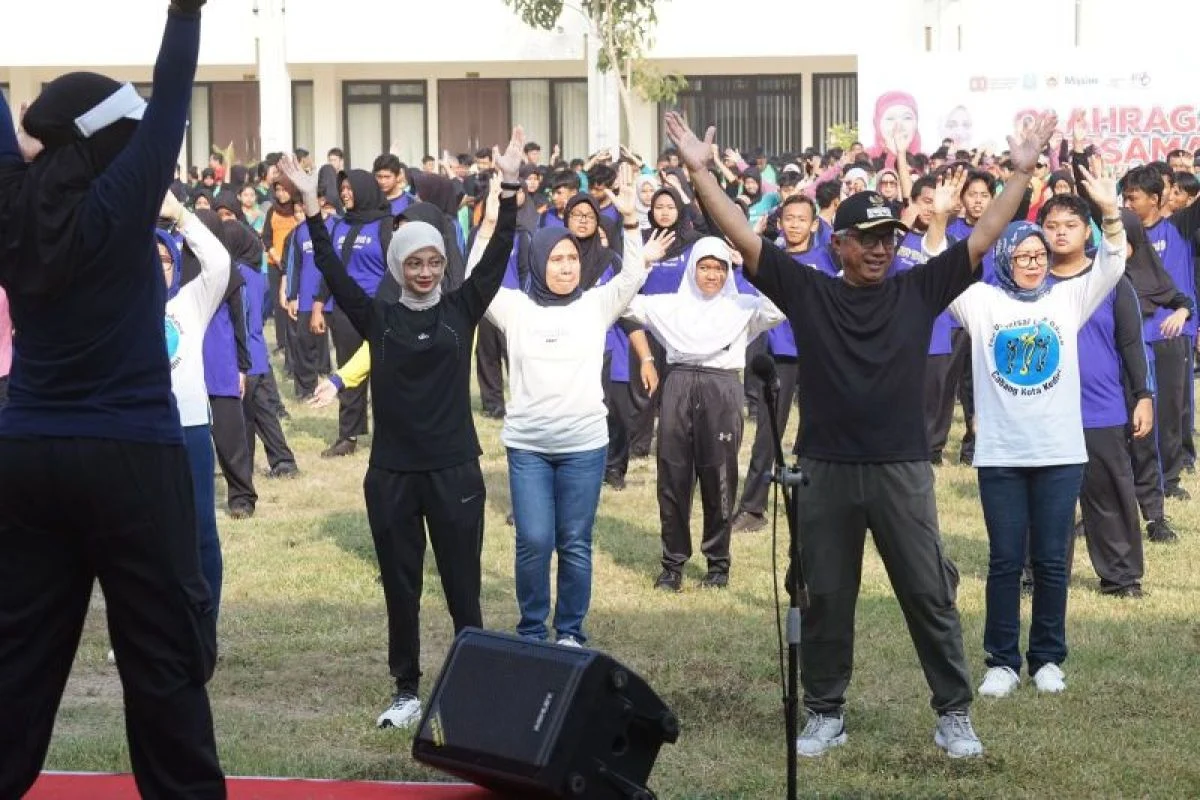
Communities across the archipelago mark Haornas with a diverse array of grassroots activities: neighborhood running clubs hosting community marathons, schools organizing inter-class tournaments, and families engaging in outdoor recreational pursuits. These localized celebrations embody the true essence of the holiday, proving that the ideals forged during a time of revolution continue to resonate in the daily lives of millions of Indonesians.
Ultimately, National Sports Day serves as a powerful annual reminder that the story of Indonesian sports is a continuous work in progress. By honoring the sacrifices of the athletes and leaders who gathered in Solo nearly eight decades ago, modern Indonesia reaffirms its commitment to building a healthier, more resilient, and globally respected nation through the universal language of sport.