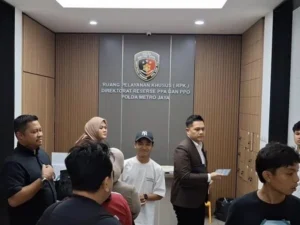
JAKARTA — The Corruption Eradication Commission (KPK) intensified its ongoing investigation into a high-profile bribery scheme involving land rights permits by executing a comprehensive raid on the corporate offices of property giant PT Summarecon Agung Tbk in Bogor. The law enforcement operation, conducted on Monday, September 21, 2026, yielded a substantial haul of critical evidence, marking a significant escalation in a corruption probe that has already sent shockwaves through Indonesia’s real estate and bureaucratic sectors.
According to official statements released by the anti-graft agency, investigators successfully secured numerous physical documents and electronic evidence (BBE) believed to be directly tied to illicit payoffs concerning the processing and issuance of Building Use Rights (Hak Guna Bangunan or HGB) within the Bogor Regency area. The raid underscores the KPK’s unwavering focus on institutional corruption and the systemic exploitation of land administration processes.
The Cronyism and Corruption Nexus in Land Permitting
The core of the investigation revolves around allegations of systemic bribery orchestrated by private corporate actors targeting key officials within the Ministry of Agrarian Affairs and Spatial Planning/National Land Agency (Kementerian ATR/BPN), with a particular emphasis on the regional office in Bogor. The acquisition and renewal of HGB titles are critical operational milestones for real estate developers, determining their legal authority to commercialize land parcels.
Investigators suspect that corrupt channels were utilized to fast-track permits, circumvent regulatory hurdles, or secure favorable land titles unlawfully. The involvement of a major player like Summarecon—one of Indonesia’s premier property developers known for large-scale township developments—has elevated public scrutiny over how corporate entities interact with regulatory gatekeepers.
Speaking at the KPK headquarters, Corruption Eradication Commission Spokesperson Budi Prasetyo provided clarity on the materials seized during Monday’s operation. "During today’s raid, the investigative team successfully secured evidence in the form of physical documents and electronic evidentiary items," Prasetyo stated to members of the press. He further elaborated that these confiscated materials are strongly suspected of being intrinsically linked to unlawful financial inducements provided by private sector representatives to specific individuals within the ATR/BPN apparatus in Bogor.
The evidentiary materials collected are currently undergoing rigorous forensic extraction and analytical processing. KPK specialists will pore over digital files, internal corporate communications, financial ledgers, and official land registry applications to map out the financial flows and reconstruct the exact mechanics of the alleged bribery ring. This data analysis is expected to serve as the foundation for identifying additional suspects and expanding the scope of the indictment.
Chronology of the Case and the Arrest of Summarecon’s Top Executive
The raid on the Summarecon Bogor office does not represent an isolated enforcement action; rather, it is the direct consequence of a rapidly expanding investigation that burst into the public sphere weeks prior. The momentum for this raid was catalyzed by a dramatic enforcement action earlier in the month, when the KPK executed a series of Operation Catch-Hand (Operasi Tangkap Tangan or OTT) operations that snared high-profile figures, including the President Director of Summarecon.
The detention of Summarecon’s top executive via an OTT paralyzed the corporate communications of the developer, forcing management to issue emergency statements to reassure investors and stakeholders. The sudden immobilization of a chief executive officer due to corruption allegations triggered immediate jitters on the Indonesia Stock Exchange (IDX), prompting brief volatility in Summarecon’s share prices as institutional and retail investors reassessed their exposure to regulatory risk.

As the weeks progressed following the initial arrests, interrogations of lower-tier corporate managers and civil servants within the ATR/BPN yielded actionable intelligence. This intelligence pointed directly toward the Bogor regional office as a primary nexus for the alleged illicit transactions, leading directly to the authorization and execution of Monday’s high-stakes search warrant.
Management Response and Corporate Damage Control
In the wake of the initial executive-level arrests and the subsequent corporate office raids, the management of PT Summarecon Agung Tbk has found itself in a delicate position of damage control. Corporate representatives have publicly acknowledged the ongoing legal proceedings, pledging full cooperation with the anti-graft agency while simultaneously attempting to separate the alleged illegal actions of individuals from the broader operational integrity of the corporation.
In official disclosures to the public and regulatory bodies, management emphasized its commitment to good corporate governance, transparency, and the rule of law. However, the legal exposure of top-tier leadership presents a severe governance crisis for the publicly traded company. Corporate governance experts note that an investigation of this magnitude typically forces companies to initiate internal independent audits, review compliance protocols, and restructure legal affairs teams to mitigate potential corporate liability under Indonesia’s anti-corruption legal framework, which permits the prosecution of legal entities alongside natural persons.
Broader Implications for Indonesia’s Property and Bureaucratic Sectors
The ongoing KPK investigation into the Summarecon land-permit scandal carries profound implications that extend far beyond a single corporate entity or a regional land office. It shines a harsh spotlight on the systemic vulnerabilities plaguing land administration and spatial planning in Indonesia, a sector long dogged by perceptions of bureaucratic red tape, opacity, and vulnerability to rent-seeking behavior.
Land acquisition and legal certification (such as HGB and Hak Milik) are notoriously complex processes in Indonesia, frequently cited by domestic and foreign investors as major bottlenecks in doing business. The temptation to bypass bureaucratic friction through illicit payments often creates a symbiotic, albeit illegal, relationship between ambitious private developers eager to realize capital gains and unscrupulous bureaucrats holding discretionary regulatory power.
By targeting both the corporate briber and the bureaucratic bribe-taker, the KPK is attempting to disrupt this entrenched ecosystem. Observers note that the success of this investigation will be measured not only by the convictions secured against specific individuals but also by whether it forces structural reforms within the Ministry of ATR/BPN to digitize land services, eliminate human discretion in permit issuances, and enhance transparency in spatial planning approvals.
Next Legal Steps and Anticipated Developments
In the coming weeks, the KPK is expected to summon additional witnesses, including mid-to-high-level corporate managers from Summarecon and civil servants from the Bogor ATR/BPN office, for intensive questioning based on the documents and electronic evidence seized during the recent raid.
As the forensic digital analysis concludes, prosecutors will likely formalize charges and announce the official naming of additional suspects. The case is poised to become one of the defining corporate corruption trials of the year, testing the resilience of Indonesia’s anti-corruption frameworks and setting a significant legal precedent for how regulatory agencies police the intersection of private enterprise and public administration.