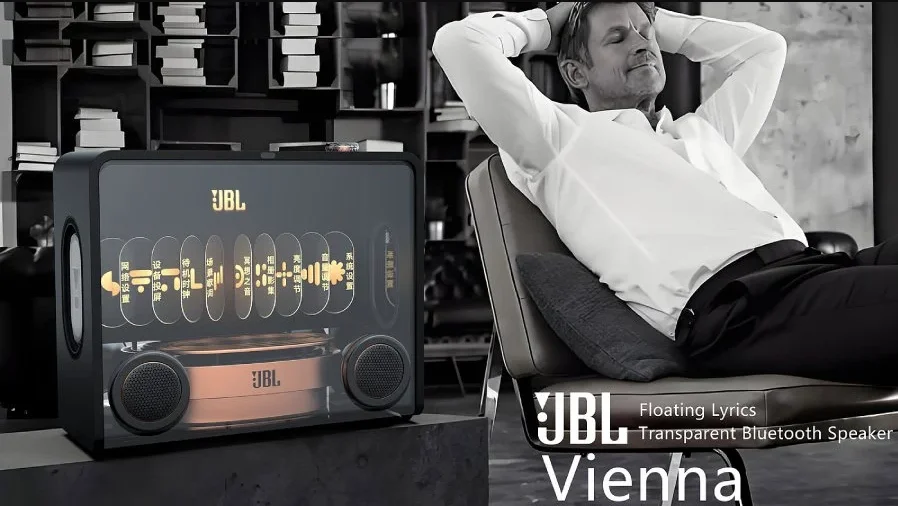
JBL, a global leader in audio innovation and a subsidiary of Harman International, has introduced a groundbreaking new speaker system, the JBL Vienna, exclusively to the Chinese market. This innovative device transcends the traditional role of a home audio speaker by seamlessly integrating a large 18.5-inch display that presents real-time song lyrics, coupled with dynamic visual effects, setting a new benchmark for immersive home entertainment experiences. The launch, which occurred in July 2026, positions the JBL Vienna as a pivotal product in the evolving landscape of smart home audio, catering to a growing consumer demand for multi-sensory engagement with music.
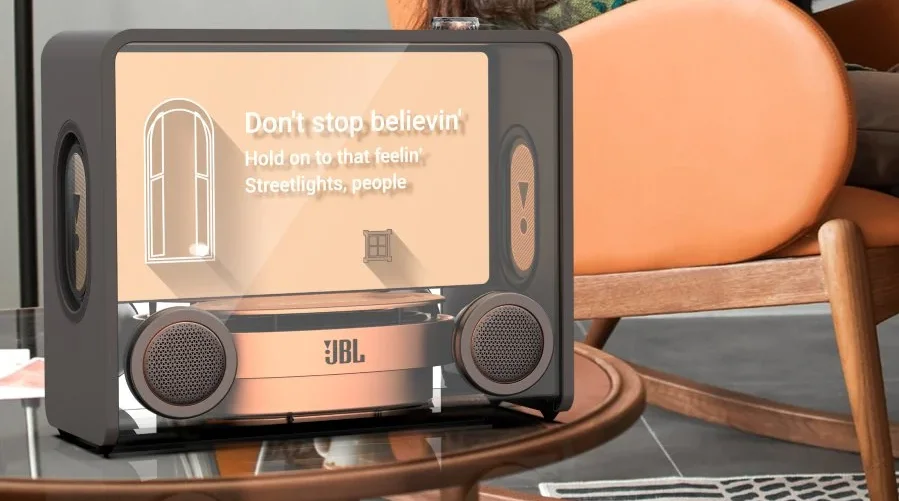
The JBL Vienna represents a bold step in speaker design, moving beyond purely auditory experiences to incorporate a significant visual component. At its core, the device is an advanced stereo speaker system, but its most striking feature is the expansive 18.5-inch display embedded directly into its front panel. This high-resolution screen is dedicated to showing song lyrics as they are played, a feature that significantly enhances user interaction and engagement. The display is protected by a transparent tempered glass panel, which not only ensures durability but also contributes to the speaker’s sophisticated aesthetic.
What truly differentiates the Vienna’s visual presentation is JBL’s proprietary visual effects engine. This technology generates intricate light and shadow animations that interact with the displayed lyrics, creating an illusion that the words are gracefully "floating" in front of the speaker. This kinetic typography adds a layer of artistic flair, transforming passive lyric consumption into an active, visually stimulating experience. Beyond real-time lyrics, the speaker offers nine customizable background themes, allowing users to personalize the visual ambiance to match their mood, decor, or the genre of music. Furthermore, users have the flexibility to upload their own photographs to serve as dynamic wallpapers, integrating the speaker even more deeply into their personal living spaces. This level of customization speaks to a broader trend in consumer electronics where personalization is key to user satisfaction and product longevity.
The introduction of the JBL Vienna in China first is a strategic move that underscores the country’s significance as a hotbed for technological adoption and a market keenly interested in integrated, interactive entertainment solutions. China’s burgeoning middle class, coupled with a strong cultural affinity for communal singing and home entertainment, makes it an ideal launchpad for a product that blends high-fidelity audio with a sophisticated karaoke-like visual experience. Industry analysts suggest that JBL is tapping into the robust demand for premium home entertainment systems that offer more than just sound, particularly in urban centers where consumers are eager to embrace cutting-edge technologies that enhance social gatherings and personal leisure.
Unpacking the Auditory Prowess of JBL Vienna
While the visual display is a significant talking point, the JBL Vienna does not compromise on its primary function as a high-performance audio device. It is engineered with a powerful 2.1 stereo system, delivering a total audio output of up to 100W. This configuration ensures a rich, room-filling sound profile suitable for various listening environments, from intimate settings to lively social gatherings.
The speaker’s acoustic architecture comprises a meticulously selected array of drivers designed to produce a balanced and dynamic sound signature. It features two 3.23-inch full-range drivers, which are crucial for rendering clear and articulate vocals and mid-range frequencies. These drivers are engineered to cover a wide spectrum, ensuring that every nuance of the music is reproduced faithfully. For robust low-frequency reproduction, the Vienna incorporates four 8.5-inch racetrack-shaped bass drivers. Racetrack drivers are increasingly popular in modern speaker design due to their ability to deliver powerful bass response from a relatively compact footprint, optimizing space without sacrificing acoustic performance. This design choice allows the Vienna to achieve deep, resonant bass notes that add significant impact to the overall sound.
Further enhancing the low-end performance are two 5-inch passive radiators. Passive radiators are acoustic devices that work in conjunction with active drivers to augment bass output by resonating with the internal air pressure generated by the active drivers. They do not have voice coils or magnets and are not directly powered, but their presence allows for a more extended and impactful bass response than what could be achieved with active drivers alone, particularly in sealed or ported enclosures. The combination of these drivers and passive radiators is specifically tuned to deliver deep, rich bass, crystal-clear vocals, and detailed treble, promising an immersive and high-fidelity audio experience synonymous with the JBL brand.
Connectivity and Seamless Integration
The JBL Vienna is equipped with a comprehensive suite of connectivity options, ensuring its versatility and seamless integration into modern digital ecosystems. It supports Bluetooth 5.4, the latest iteration of the wireless communication standard, offering enhanced stability, faster data transfer speeds, and improved energy efficiency. This allows for reliable wireless streaming from a wide array of smart devices, ensuring a smooth and uninterrupted listening experience.
In addition to wireless connectivity, the speaker includes physical ports such as USB-C and AUX. The USB-C port provides a modern, reversible connection for digital audio input or potentially for charging external devices, while the AUX input ensures compatibility with older audio sources that rely on a standard 3.5mm jack. This blend of contemporary and traditional connectivity options caters to a broad spectrum of user preferences and device compatibility.
A particularly noteworthy feature is the Vienna’s ability to mirror displays from both iOS and Android devices. This functionality transforms the speaker into a versatile entertainment hub, allowing users to project content from their smartphones or tablets directly onto the 18.5-inch screen. While the primary use case highlighted is lyric display, this mirroring capability opens up possibilities for displaying videos, photos, or even acting as a secondary screen for casual gaming or browsing, further enhancing its utility beyond just music. This feature positions the JBL Vienna not merely as a speaker, but as a central component of a modern smart home entertainment system, capable of acting as a visual and auditory centerpiece.
The Strategic Importance of the Chinese Market
JBL’s decision to launch the Vienna exclusively in China first is indicative of a well-calibrated market strategy. The Chinese consumer electronics market is characterized by its rapid adoption of new technologies, high demand for feature-rich devices, and a significant appreciation for integrated digital experiences. According to market research firms, China consistently ranks among the top global markets for smart speakers and premium audio equipment, driven by increasing disposable incomes and a tech-savvy population.
The cultural phenomenon of KTV (karaoke television) is deeply ingrained in Chinese society, with karaoke being a popular pastime for families and friends. While the JBL Vienna is not a full-fledged karaoke machine, its real-time lyric display and high-quality audio system tap directly into this cultural preference, offering a sophisticated home-based alternative or complement to public KTV venues. The visual flair of "floating lyrics" and customizable backgrounds further enhances this appeal, providing an engaging and personalized singing experience within the comfort of one’s home.
Furthermore, Chinese consumers often prioritize products that offer unique aesthetic appeal and integrated functionality. The JBL Vienna, with its sleek design, large interactive screen, and powerful audio, aligns perfectly with these preferences. It caters to a segment of the market that views home appliances not just as functional tools but as lifestyle statements and central pieces of their digital living environments. This strategic focus allows JBL to gauge market reaction, gather valuable user feedback, and refine the product before a potential wider international rollout.
Broader Market Implications and Competitive Landscape
The introduction of the JBL Vienna could signal a significant shift in the home audio market. For years, smart speakers have focused on voice assistants and audio streaming, with some integrating small displays (e.g., Amazon Echo Show, Google Nest Hub) primarily for video calls, recipes, or basic visual feedback. However, none have prioritized a large, dedicated screen specifically for an immersive music lyric experience like the Vienna. This positions JBL at the forefront of a potentially new product category: the "visual-audio speaker."
While competitors like Sonos, Bose, and Sony continue to innovate in audio fidelity and smart features, the Vienna carves out a unique niche. It bridges the gap between traditional high-fidelity audio systems and interactive smart displays, offering a cohesive entertainment unit. The emphasis on visual engagement with music reflects a broader trend in media consumption, where platforms like Spotify and Apple Music have increasingly incorporated lyric displays into their apps, recognizing that users often want to connect with music on multiple levels. The Vienna brings this experience into the physical realm of the living room, making it a focal point rather than just an app feature.

The success of the JBL Vienna will likely depend on several factors, including its eventual pricing, the availability of comprehensive lyric databases, and how seamlessly it integrates with popular music streaming services. If the price point is accessible to a broad premium segment, and the lyric synchronization is consistently accurate across a vast library of songs, it could establish a new standard for home audio entertainment.
Innovation or Gimmick? An Analytical Perspective
The question of whether the JBL Vienna’s integrated lyric display is a genuine innovation or merely a "gimmick" is a pertinent one, and the answer likely lies in the user’s perspective and intended use.
Arguments for Innovation:
- Enhanced Engagement: For many music lovers, lyrics are an integral part of the listening experience. A large, dedicated screen displaying real-time lyrics can significantly deepen engagement, allowing users to follow along, understand the song’s narrative, or even learn new languages.
- Social and Party Enhancement: The Vienna could transform social gatherings, turning music listening into a communal activity akin to karaoke without the need for a separate screen or projector. It encourages sing-alongs and adds a dynamic visual element to parties.
- Accessibility: For individuals with hearing impairments, visual lyrics can greatly enhance their ability to enjoy music.
- Aesthetic and Lifestyle Integration: The "floating lyrics" and customizable backgrounds elevate the speaker from a mere appliance to an interactive art piece, seamlessly blending into modern home aesthetics. It’s not just sound; it’s an experience.
- Multi-sensory Experience: In an increasingly digital world, consumers are seeking multi-sensory experiences. The Vienna delivers on this by combining high-fidelity audio with captivating visuals, offering a richer interaction with media.
Arguments for Gimmick (or Niche Appeal):
- Cost and Complexity: Integrating a large, high-quality display and the processing power required for dynamic visual effects inherently increases the manufacturing cost, which will translate to a higher retail price. Some consumers might prefer to pay less for a speaker that focuses solely on audio quality.
- Potential Distraction: While some find lyrics engaging, others might find a constantly changing visual display distracting, especially during focused listening or if the screen brightness is not adequately managed.
- Content Dependency: The utility of the lyric display is entirely dependent on the availability and accuracy of lyric data for a user’s music library. Inaccuracies or missing lyrics could undermine the feature’s value.
- Redundancy: Many users already have smartphones, tablets, or smart TVs that can display lyrics. For these users, an additional dedicated screen on a speaker might seem redundant.
- Niche Market: While appealing in certain markets like China with its strong karaoke culture, the demand for such a specific feature might be more niche in other global markets where the primary focus remains on pure audio performance.
Ultimately, the JBL Vienna is likely to find its place as an innovative product catering to a specific, yet growing, segment of the market that values interactive, multi-sensory entertainment experiences. It challenges the conventional understanding of what a speaker can be, pushing the boundaries of integration between audio and visual technology.
Future Outlook and Potential Expansion
The initial launch in China serves as a crucial testbed for the JBL Vienna. Should it prove successful, a global rollout seems a logical next step. However, JBL would likely need to consider regional adaptations, such as broader language support for lyrics and integration with local music streaming services in different territories. The pricing strategy for international markets would also be a critical factor, needing to balance the premium features with consumer expectations.
Further enhancements could include integration with popular voice assistants like Amazon Alexa or Google Assistant, allowing for voice-controlled lyric searches, playback, and screen customization. The screen’s potential could also be expanded beyond lyrics to include visualizations, ambient art, or even notifications from smart home ecosystems, transforming it into a versatile smart display when not actively displaying lyrics.
The JBL Vienna stands as a testament to JBL’s continued commitment to innovation in the audio space. By boldly merging high-fidelity sound with a captivating visual experience, it offers a glimpse into the future of home entertainment systems, where devices are not just heard, but also seen and interacted with in entirely new ways. It prompts industry observers to consider how far manufacturers will go to create truly immersive, multi-dimensional experiences for the modern consumer. While its long-term impact remains to be fully seen, the JBL Vienna has certainly sparked conversation and redefined expectations for what a home speaker can accomplish.