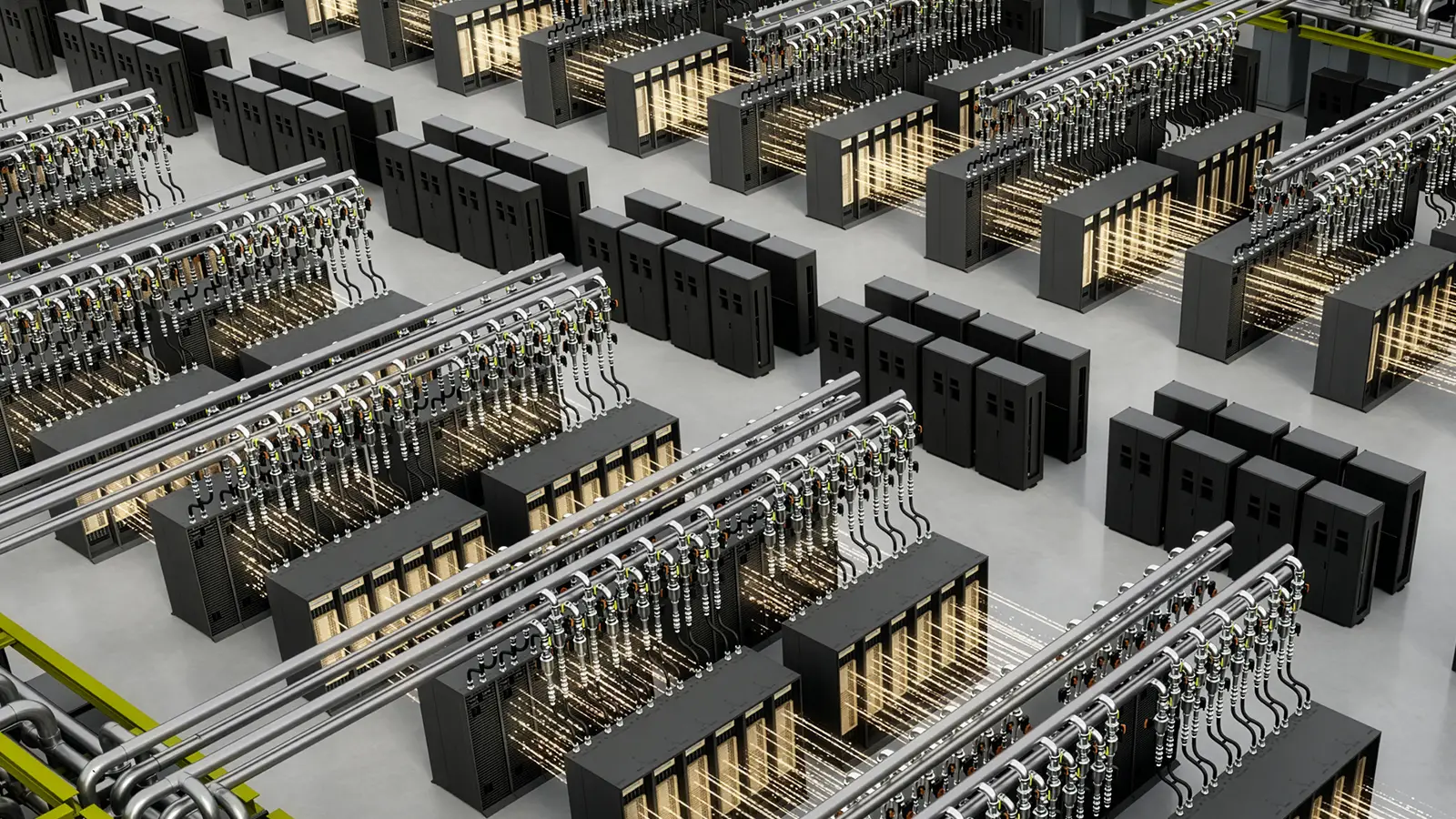
Japan has officially announced its ambitious plan to construct one of the world’s largest Artificial Intelligence (AI) infrastructures, a 140-megawatt AI Factory, in collaboration with leading AI computing company NVIDIA. This groundbreaking facility is poised to become a cornerstone of Japan’s national AI strategy, significantly bolstering its capabilities in advanced computing and the development of large-scale AI models critical for robotics, digital twins, and industrial automation. The sheer scale of this endeavor, powered by an anticipated 27,500 NVIDIA Rubin GPUs and 13,750 NVIDIA Vera CPUs, underscores a profound national commitment to securing a leadership position in the global AI landscape.
The initiative, spearheaded by the Noetra consortium—a powerful alliance comprising Japanese technology giants SoftBank, Sony, NEC, and Honda—is receiving substantial financial backing from the Japanese government through its FRONTia program. This strategic public-private partnership is designed to cultivate a robust AI ecosystem, not only serving the consortium’s immediate objectives but also extending its computational prowess to a wider array of developers and enterprises across Japan. The core infrastructure will leverage NVIDIA’s state-of-the-art DGX SuperPOD platform, specifically utilizing the Vera Rubin NVL72 systems, interconnected by NVIDIA’s high-performance Spectrum-X Ethernet networking technology, ensuring unparalleled data throughput and computational efficiency.
The Strategic Imperative: Japan’s Vision for AI Leadership
Japan’s decision to invest massively in AI infrastructure is deeply rooted in its national economic and social agenda. Faced with demographic challenges, including a rapidly aging population and a shrinking workforce, the nation views AI and robotics as indispensable tools for maintaining productivity, driving innovation, and enhancing quality of life under its "Society 5.0" vision. Society 5.0 aims to create a super-smart society where advanced technology, including AI, IoT, and big data, is seamlessly integrated into all aspects of life to solve societal problems and create new value. The AI Factory is a critical component of this vision, designed to produce the intelligent systems necessary to automate complex tasks, optimize industrial processes, and create sophisticated digital replicas of physical assets and environments.
For decades, Japan has been a global leader in robotics and manufacturing. This AI Factory initiative is a strategic pivot to merge its traditional strengths with the cutting edge of AI, aiming to achieve a new era of "physical AI" that can understand and interact intelligently with the real world. The government’s explicit target of commanding over 30 percent of the global AI robot market by 2040 highlights the long-term ambition driving this investment. Achieving this requires not just advanced hardware but also the capability to train vast, complex AI models that can power these next-generation robots and intelligent systems.
Unpacking the Technological Core: Rubin, Vera, and DGX SuperPOD
The heart of this formidable AI Factory lies in its advanced processing units. While specific details of NVIDIA’s Rubin and Vera architectures remain under wraps, they are anticipated to represent the company’s next-generation GPU and CPU technologies, succeeding current flagship offerings like Blackwell GPUs and Grace CPUs. Based on the projected timeframe (image dates referencing 2026/07), these components will likely incorporate significant architectural advancements to handle the escalating demands of large language models, multimodal AI, and complex simulation tasks.
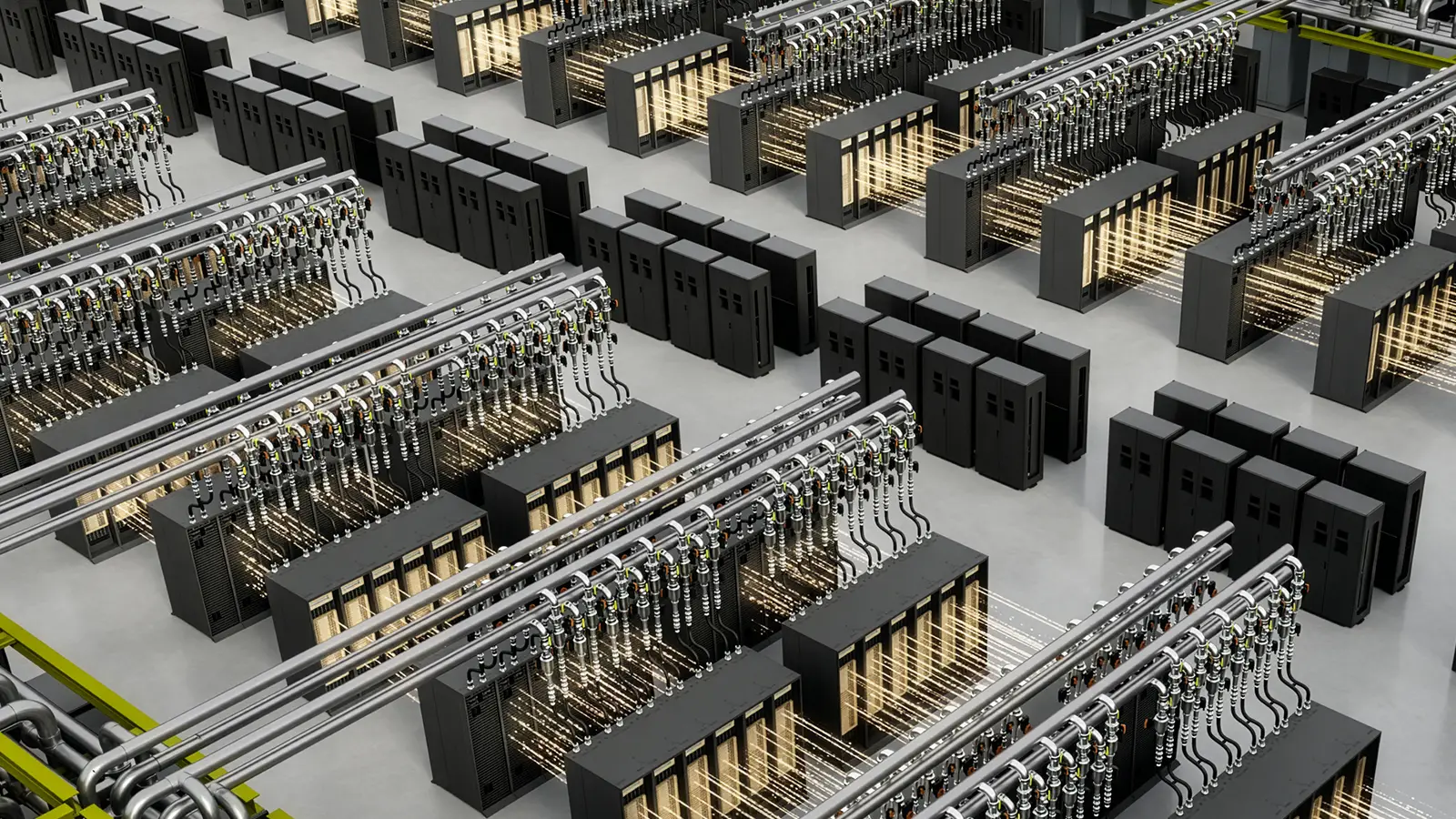
- NVIDIA Rubin GPUs: With 27,500 Rubin GPUs, the factory will possess an immense parallel processing capability. GPUs are fundamental for AI training due to their ability to perform numerous calculations simultaneously, essential for matrix multiplications in neural networks. The Rubin architecture is expected to push boundaries in tensor core performance, memory bandwidth (potentially HBM4 or even HBM5), and inter-GPU communication, enabling the training of models with trillions of parameters that are increasingly common in advanced AI applications.
- NVIDIA Vera CPUs: The 13,750 Vera CPUs will complement the GPUs, handling tasks that require strong serial processing capabilities, managing data flow, and running operating systems and other software components. Vera is likely NVIDIA’s next-generation CPU, potentially succeeding the Grace CPU, and will be optimized for data-intensive workloads and seamless integration with Rubin GPUs within a unified computing platform. The combination of high-performance CPUs and GPUs, particularly in NVIDIA’s "Superchip" philosophy (like Grace Hopper), allows for a balanced and extremely powerful computing environment.
- NVIDIA DGX SuperPOD: The infrastructure will be built upon the NVIDIA DGX SuperPOD platform, which is a pre-integrated, scalable AI supercomputing solution. A DGX SuperPOD typically consists of multiple DGX systems (each housing several GPUs and CPUs) interconnected by high-speed networking. The mention of "Vera Rubin NVL72" likely refers to a specific configuration of DGX nodes, possibly indicating 72 GPUs per node (or cluster of nodes) integrated with Vera CPUs, designed for maximum scalability and performance.
- Spectrum-X Ethernet: Crucial for linking these thousands of processors is the networking fabric. NVIDIA’s Spectrum-X Ethernet is designed for high-performance AI workloads, offering ultra-low latency and high bandwidth necessary to prevent bottlenecks as data flows between GPUs, CPUs, and storage. This ensures that the massive computational power is not hampered by slow data transfer, allowing the entire system to operate as a cohesive, massively parallel supercomputer. The efficiency of this interconnect is paramount for distributed training of large AI models, where vast amounts of data and model parameters must be constantly exchanged between nodes.
The Noetra Consortium: A Unified Front for National Innovation
The formation of Noetra, bringing together SoftBank, Sony, NEC, and Honda, represents a powerful example of national collaboration aimed at a common technological goal. Each member brings unique strengths to the table:
- SoftBank: A global technology investment powerhouse with deep interests in AI, robotics (through Boston Dynamics, ARM), and telecommunications. SoftBank’s expertise in large-scale infrastructure deployment and its vision for AI-driven transformation make it a natural leader in this consortium. Its previous investments and strategic partnerships across the tech landscape provide valuable insights and resources.
- Sony: A leader in electronics, entertainment, and imaging, with significant ventures into robotics (e.g., Aibo) and sensors. Sony’s experience in consumer electronics, entertainment, and its growing presence in automotive sensors and AI for imaging will be crucial for developing AI models for real-world applications, particularly those requiring perception and interaction.
- NEC: A long-standing Japanese IT and electronics company with extensive experience in enterprise solutions, public safety, and telecommunications. NEC’s background in supercomputing, biometric identification, and AI for government and critical infrastructure makes it a key player in developing robust and secure AI systems for industrial and societal applications.
- Honda: A global leader in automotive and robotics manufacturing. Honda’s pioneering work in humanoid robotics (ASIMO) and its ongoing development in autonomous driving and advanced manufacturing processes make its participation vital. Their practical experience in developing and deploying physical robots will provide essential feedback for training and refining AI models within the factory.
This consortium model mitigates risk, pools resources, and ensures that the developed AI models are relevant to diverse industrial sectors. By combining their expertise, Noetra can tackle the complex challenges of building and operating such a large-scale AI infrastructure and ensure its outputs have broad applicability across the Japanese economy.
Government Funding and Economic Impact
The Japanese government’s commitment of an initial $2.4 billion (approximately ¥40.8 trillion JPY) for the first year of the program, with a potential total investment reaching $6.1 billion (approximately ¥103.7 trillion JPY) over five years, underscores the national strategic importance of this project. This substantial funding is a clear signal of intent to elevate Japan’s position in the global AI race.
This investment is expected to have multi-faceted economic impacts:
- Direct Job Creation: The construction, operation, and maintenance of such a large facility will create numerous high-skilled jobs in engineering, data science, and AI research.
- Stimulating Innovation: By providing access to cutting-edge AI training capabilities, the project will act as an incubator for startups and established companies alike, fostering the development of new AI solutions and services across various sectors.
- Technological Sovereignty: Reducing reliance on foreign AI infrastructure and expertise enhances Japan’s technological sovereignty, ensuring it can develop and control critical AI applications vital for national security and economic competitiveness.
- Industrial Transformation: The AI models developed will drive efficiency gains, automation, and new product development in manufacturing, logistics, healthcare, and other key industries, leading to increased productivity and economic growth.
- Attracting Talent: A world-class AI factory can attract top AI researchers and engineers globally, further enriching Japan’s talent pool and cementing its reputation as an innovation hub.
A Broadened AI Ecosystem: Sharing the Knowledge
A critical aspect of Japan’s strategy is the commitment to sharing the trained AI model weights with developers across the country. This open approach is designed to democratize access to advanced AI capabilities, preventing the concentration of power in a few hands and fostering a widespread culture of AI innovation. By providing pre-trained models, smaller companies, startups, and academic institutions that lack the resources to train massive AI models from scratch can rapidly build and deploy AI solutions tailored to their specific needs.

This model of sharing will accelerate the development of:
- Specialized AI: Developers can fine-tune these foundational models for niche applications in agriculture, disaster prevention, healthcare diagnostics, and smart infrastructure.
- Reduced Barrier to Entry: Lowering the computational and financial barriers to AI development will encourage broader adoption and experimentation, leading to a more diverse and resilient AI ecosystem.
- Collaborative Innovation: It promotes a collaborative environment where knowledge and advancements are shared, leading to faster progress and collective intelligence within the Japanese AI community.
Global Implications and the Race for AI Supremacy
Japan’s AI Factory initiative must be viewed within the broader context of a global arms race for AI supremacy. Nations worldwide are recognizing that leadership in AI infrastructure, research, and application development is paramount for future economic prosperity and geopolitical influence.
- Competition with the US and China: The United States, home to NVIDIA and other AI giants, and China, with its massive government-backed AI programs, are currently leading the charge. Japan’s investment positions it as a significant contender, particularly in the realm of physical AI and industrial applications where its historical strengths lie.
- Data and Compute Sovereignty: The ability to host and process national data within national borders using national infrastructure is becoming a critical aspect of data sovereignty and national security. This factory ensures Japan can manage its AI data internally.
- Ethical AI Development: As AI becomes more powerful, the focus on ethical development, transparency, and safety also intensifies. Japan’s methodical approach to integrating AI into its "Society 5.0" framework suggests a commitment to responsible AI, which could set a global precedent.
Challenges and the Path Forward
While the prospects are immense, the project is not without its challenges. The 140MW power requirement for the AI Factory highlights the significant energy demands of advanced AI. Japan, a nation that has grappled with energy security, will need to ensure a stable and sustainable power supply for this facility, potentially leveraging renewable energy sources or advanced grid management.
Furthermore, attracting and retaining top-tier AI talent will be crucial. Despite Japan’s strong engineering base, the global competition for AI researchers and practitioners is fierce. The government and consortium will need to cultivate an attractive environment for talent, including competitive salaries, cutting-edge research opportunities, and a supportive ecosystem.
Finally, the long-term success of the project hinges on the effective deployment and integration of the developed AI models into real-world applications. This requires close collaboration between researchers, developers, and industry stakeholders to ensure that the AI solutions are practical, scalable, and address genuine societal and industrial needs.
In conclusion, Japan’s partnership with NVIDIA to build this colossal AI Factory marks a pivotal moment in its national technology strategy. It represents a bold statement of intent to not only participate in but also lead significant segments of the global AI revolution, particularly in the critical domains of robotics, digital twins, and industrial automation. With substantial government backing, the combined expertise of its leading technology firms, and access to next-generation AI hardware, Japan is laying the groundwork for a future where intelligent machines and systems play an increasingly central role in its economy and society. The world will be watching as this ambitious project unfolds, potentially reshaping the landscape of global AI innovation.