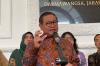
Jakarta Governor Pramono Anung has issued a stern appeal to the residents of the capital city, particularly the youth, to immediately cease the culture of street brawling, known locally as tawuran, which continues to plague several urban pockets. Speaking in South Jakarta on Tuesday, July 21, 2026, the Governor emphasized that these violent confrontations not only disrupt public order but also hinder the personal development of the city’s younger generation. The Governor’s statement comes in the immediate wake of a recent violent clash in the Tugu Utara administrative village, located within the Koja district of North Jakarta, an area that has historically struggled with sporadic outbreaks of communal violence.
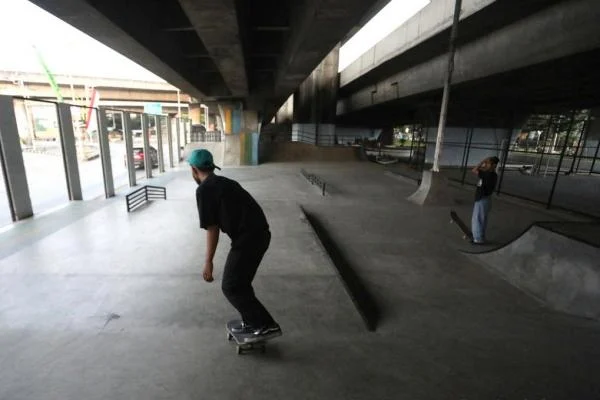
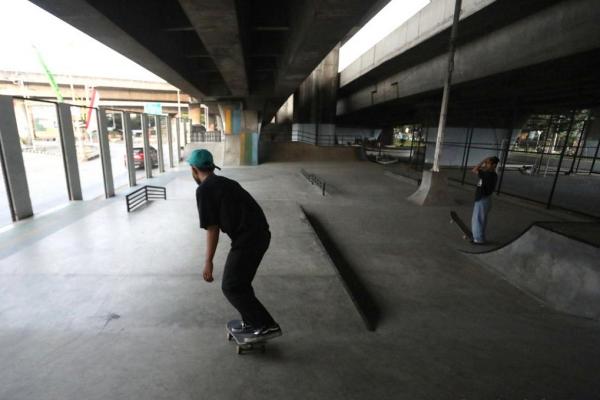
Governor Pramono expressed a sense of urgency and fatigue regarding the persistence of these incidents, noting that the provincial government has been consistent in its messaging. He reiterated that the cycle of violence must be broken through a combination of strict law enforcement and the provision of constructive outlets for youthful energy. The Governor highlighted that the Provincial Government of DKI Jakarta (Pemprov DKI) is actively investing in public infrastructure, specifically sports facilities such as boxing rings and skate parks, to serve as "neutral zones" where grievances can be channeled into disciplined athletic pursuits rather than dangerous street fights.
The Koja Incident: A Catalyst for Renewed Policy Focus
The recent disturbance in Tugu Utara, Koja, serves as a grim reminder of the underlying social tensions in Jakarta’s densely populated neighborhoods. According to preliminary reports from the North Jakarta Metropolitan Police, the brawl involved two groups of youths who utilized sharp weapons, stones, and firecrackers. While no fatalities were reported in this specific instance, the psychological impact on the local community and the resulting property damage have prompted the provincial administration to reassess its social intervention strategies.
Koja has long been identified by urban sociologists as a high-risk area for tawuran due to several intersecting factors: high population density, limited recreational space, and significant youth unemployment rates. The incident on Tuesday followed a pattern familiar to law enforcement—provocations often beginning on social media platforms, leading to scheduled "clashes" in public thoroughfares during the late-night or early-morning hours. Governor Pramono’s visit to South Jakarta was partly intended to address these recurring themes, signaling that the government is looking beyond mere policing toward holistic social engineering.
Redirecting Energy: From Street Violence to Sporting Excellence
A central pillar of Governor Pramono’s administration is the "Productive Jakarta" initiative, which seeks to transform the city’s human capital. During his address, the Governor urged the youth to redirect their physical energy into activities that yield personal and communal benefits. He argued that the aggression often seen in tawuran is frequently a byproduct of pent-up energy and a lack of identity-affirming activities.
"I am never bored of asking anyone involved in brawls to stop this activity in Jakarta," Governor Pramono stated. "We want our citizens to move toward more positive and productive endeavors. This is why we are building facilities like skate parks and boxing rings in areas where brawls used to occur frequently. We want these spaces to be a forum for community interaction and a place to strengthen bonds between neighbors."
The Governor specifically mentioned the construction of boxing rings in "red zone" areas—neighborhoods with high frequencies of street violence. The philosophy behind this move is based on successful pilot programs in Central and East Jakarta, where regulated combat sports have provided an outlet for competitive urges under the supervision of professional trainers and referees. By institutionalizing these activities, the Pemprov DKI hopes to replace the chaotic and illegal nature of street fighting with the discipline, respect, and physical fitness associated with organized sports.
Historical Context and the Evolution of Tawuran in Jakarta
The phenomenon of tawuran in Jakarta is not a new development; it has been a persistent social issue for decades. Historically, these brawls were often seen as "turf wars" between rival schools or neighborhoods. However, in the mid-2020s, the nature of these conflicts evolved. The rise of digital technology allowed groups to organize clashes with greater precision, often filming the violence to gain "prestige" or "clout" on social media.
Data from the Jakarta Metropolitan Police (Polda Metro Jaya) indicates that between 2023 and 2025, there was a fluctuating but concerning trend in street violence. While the number of large-scale student brawls decreased due to stricter school regulations and the threat of scholarship revocations, "community brawls" involving non-student youth groups in residential areas saw a slight uptick. The areas most affected include Manggarai in South Jakarta, Johar Baru in Central Jakarta, and various districts in North Jakarta, including Koja and Cilincing.

The provincial government’s response has historically oscillated between a "security-first" approach—involving the Tim Perintis Presisi (Precision Pioneer Team) and increased CCTV surveillance—and "social-first" approaches like the Integrated Child-Friendly Public Space (RPTRA) program. Governor Pramono’s current strategy appears to be a synthesis of both, leveraging urban design to reduce crime.
Financial Stability and Social Infrastructure Investment
The Governor’s commitment to building sports facilities is backed by the current financial health of the DKI Jakarta Provincial Government. Despite the significant costs associated with urban redevelopment and social programs, Pramono assured the public that the budget is secure. This financial confidence was highlighted during the same press briefing when he addressed concerns regarding the payment of salaries for Government Employees with Work Agreements (PPPK).
"The budget is there. The Pemprov DKI will not have difficulty paying the salaries of PPPK," he confirmed. This assurance is crucial, as it suggests that the administration has the necessary fiscal space to fund both its personnel obligations and its ambitious social infrastructure projects. The allocation of funds for boxing rings, skate parks, and the maintenance of public parks is viewed as a long-term investment in the city’s social stability, which ultimately reduces the economic burden caused by crime and property destruction.
Stakeholder Reactions and Community Impact
The Governor’s remarks have drawn reactions from various stakeholders across the city. Community leaders in North Jakarta have expressed cautious optimism about the emphasis on sports facilities. H. Syarifuddin, a community elder in Koja, noted that while facilities are welcome, they must be accompanied by consistent mentorship. "A boxing ring alone won’t stop a brawl if there are no coaches to teach discipline and no tournaments to keep the kids engaged," he remarked.
Sociologists from the University of Indonesia have also weighed in, suggesting that the Governor’s focus on "positive energy" is a step in the right direction but must account for the economic realities of the participants. Many youths involved in tawuran come from low-income backgrounds where the "glory" of the brawl serves as a temporary escape from financial hardship. Therefore, the sports programs must be linked to broader vocational training and employment opportunities to be truly effective.
Law enforcement agencies, meanwhile, continue to maintain a high state of alert. The North Jakarta Police have increased patrols in Tugu Utara and surrounding areas, utilizing a "persuasive-preventative" approach. Officers are now being encouraged to engage with local youth at the very sports facilities the Governor mentioned, humanizing the police force and fostering a sense of shared responsibility for neighborhood safety.
Future Outlook: A Safer, More Productive Jakarta
As Jakarta moves toward the latter half of 2026, the success of Governor Pramono Anung’s anti-brawl initiatives will be measured by the reduction in "red zone" incidents and the foot traffic at newly established sports centers. The administration’s goal is to foster a "Sporting Culture" that replaces the "Brawl Culture."
The transformation of former conflict sites into vibrant public spaces is a key component of the Governor’s urban renewal vision. By providing skateboarding arenas and boxing rings, the government is not just offering recreation; it is reclaiming the streets for the public and signaling that violence is no longer an acceptable form of social expression in a modern, global city like Jakarta.
The Governor concluded his address by calling for a collective effort. "The government can build the facilities, and the police can provide the security, but the ultimate change must come from the families and the individuals themselves," he said. "Let us make Jakarta a city where energy is spent on building a future, not on destroying one another."
The ongoing efforts to curb tawuran remain a litmus test for the provincial government’s ability to manage the complexities of a megacity. With the 2026 budget secured and a clear focus on social infrastructure, the administration is betting that a more active, athletic, and engaged youth population will be the key to a more peaceful Jakarta. The eyes of the public will be on districts like Koja to see if these facilities can truly turn the tide against a decades-old cycle of violence.