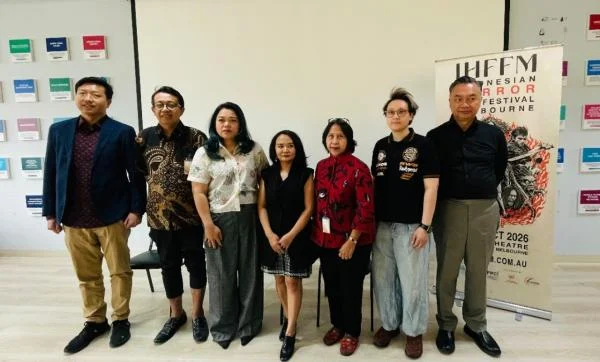
The Indonesian film industry is preparing for a significant international milestone as it readies the inaugural Indonesian Horror Film Festival Melbourne (IHFFM) 2026. Scheduled for Saturday, October 3, 2026, the festival aims to showcase the depth of Indonesian mythology, folklore, and cinematic craftsmanship to a diverse international audience. Hosted at the historic The Capitol Theatre in the heart of Melbourne, Australia, the event represents a strategic effort to expand the reach of Indonesian creative content into the global market, positioning the country’s horror genre as a primary cultural export.
The Strategic Choice of Melbourne
The selection of Melbourne as the host city for this cinematic endeavor is far from arbitrary. According to Event Director Sulistyawan Wibisono, the city’s unique socio-cultural landscape makes it the ideal gateway for introducing Indonesian narratives to an international audience. Melbourne, often cited as the cultural capital of Australia, maintains a robust infrastructure for the arts, with a well-documented history of supporting independent and international cinema through its world-class theater circuit.
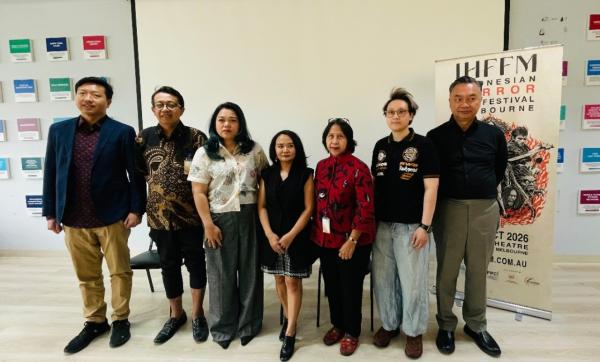
During a press conference held at Mayapada Tower 1 in Jakarta on September 17, 2026, Wibisono emphasized the geographical and cultural proximity between Indonesia and Australia. While the two nations are separated by a relatively short flight—approximately six to seven hours from Jakarta—the cultural exchange remains a fertile ground for growth. Melbourne’s status as a highly diverse, cosmopolitan city with a complex artistic ecosystem allows for a more receptive audience toward the nuanced, often folklore-driven storytelling that characterizes modern Indonesian horror. Furthermore, the presence of a substantial Indonesian diaspora in Victoria provides a foundational community that can act as a catalyst for promoting the festival’s reach beyond the expatriate bubble and into the broader Australian cinephile community.
The Capitol Theatre: A Historic Venue
The choice of venue, The Capitol Theatre, is equally deliberate. Located on Swanston Street, directly opposite the Melbourne Town Hall, the theater is an architectural landmark designed by Walter Burley Griffin and Marion Mahony Griffin. Its ornate, crystalline ceiling and historical significance provide a prestigious backdrop for the festival. By placing Indonesian horror films—a genre often relegated to mainstream multiplexes—within a venue of such historical and aesthetic weight, the IHFFM 2026 organizers are signaling an intent to elevate the genre’s critical standing. This move aligns with global trends where horror is increasingly recognized as a legitimate medium for social commentary and high-concept artistic expression.
The Rise of Indonesian Horror as a Global Commodity
The Indonesian horror film industry has experienced an unprecedented surge in both domestic production and international interest over the past decade. Historically, the genre was often perceived as low-budget B-movie fodder; however, the emergence of directors who blend sophisticated cinematography with indigenous spiritual and cultural beliefs has shifted this narrative.
Data from the Indonesian Film Board indicates that horror films frequently account for the highest percentage of annual ticket sales in domestic theaters. This trend has not gone unnoticed by global streaming platforms and international distribution networks. By establishing a dedicated festival in a major western metropolitan hub, Indonesia is transitioning from a passive supplier of content to an active participant in global film discourse. The IHFFM 2026 serves as a pilot project for what could become a recurring series of events designed to formalize the presence of Indonesian cinema in the Pacific region.
Chronology and Preparations
The road to the October 2026 festival has involved months of rigorous planning, beginning with initial feasibility studies in late 2025 regarding audience demographics in Australia. Following the successful securing of partnerships with local cultural organizations in Melbourne, the organizing committee initiated a curated selection process for the films to be screened.

- January 2026: Formation of the IHFFM committee and initial outreach to Indonesian production houses.
- April 2026: Finalization of the partnership with The Capitol Theatre and local Australian cultural consultants.
- August 2026: Announcement of the festival lineup, focusing on a mix of contemporary blockbusters and restored classics of the genre.
- September 17, 2026: Official press conference in Jakarta confirming the schedule and strategic objectives.
- October 3, 2026: The scheduled date for the inaugural IHFFM event in Melbourne.
Broader Implications for the Creative Economy
The implications of the IHFFM 2026 extend beyond the realm of entertainment. For the Indonesian government and stakeholders in the creative economy, the festival is a crucial component of "cultural diplomacy." By export-led growth in the creative industries, Indonesia seeks to improve its soft power, using film as a tool to bridge cultural gaps and dispel misconceptions about its societal traditions.
From an economic standpoint, the festival creates new avenues for co-production agreements. By engaging with Australian filmmakers, producers, and distributors, Indonesian studios have the potential to access international co-financing and technical collaboration. This, in turn, can lead to higher production values and more efficient distribution channels in Western markets, where Indonesian horror is already gaining a cult following due to its unique "supernatural realism"—a sub-genre that differentiates it from the typical jump-scare heavy tropes of Hollywood horror.
Industry Challenges and Future Outlook
Despite the optimism surrounding the festival, the organizers acknowledge the inherent challenges of international market entry. Marketing a foreign-language film genre requires overcoming linguistic and cultural barriers. The IHFFM 2026 plans to mitigate this by implementing high-quality subtitling, hosting post-screening Q&A sessions with directors, and curating panel discussions that explain the mythological roots of the films being shown.
Furthermore, the sustainability of such a festival depends on the consistent quality of the content. Industry analysts point out that while the horror genre is currently in a "golden age" in Indonesia, long-term success requires diversifying the storytelling to ensure it remains fresh for an international audience that is increasingly exposed to horror content from South Korea, Thailand, and Japan.

The festival also aims to serve as a networking hub. By inviting Australian film critics, distributors, and academic scholars of film studies to the screenings, the IHFFM 2026 hopes to generate critical discourse. Academic validation is often a precursor to broader commercial success in international markets, and the festival’s organizers are keen to see Indonesian horror analyzed for its sociological themes—such as the interplay between modernization and traditional animist beliefs.
A Turning Point for Indonesian Cinema
As the date for the festival approaches, the anticipation within the Indonesian film community is palpable. For filmmakers, the IHFFM 2026 is more than just a screening; it is a validation of their craft. For the audience in Melbourne, it offers a rare, curated look into the darker, more atmospheric side of Indonesian culture.
Ultimately, the Indonesian Horror Film Festival Melbourne 2026 stands as a testament to the maturation of the Indonesian film industry. It is a calculated move to capture a share of the global market by leveraging the very things that make Indonesian cinema unique: its rich, diverse, and terrifying folklore. As Indonesia continues to position itself as a serious player in the global creative economy, initiatives like the IHFFM will likely serve as the blueprint for future international engagements, ensuring that the stories of the archipelago resonate in theaters far beyond its own shores. With the support of the diaspora and the aesthetic prestige of The Capitol Theatre, the event is well-positioned to become a landmark occasion in the 2026 international film calendar, setting a high bar for future cultural exchanges between Indonesia and Australia.