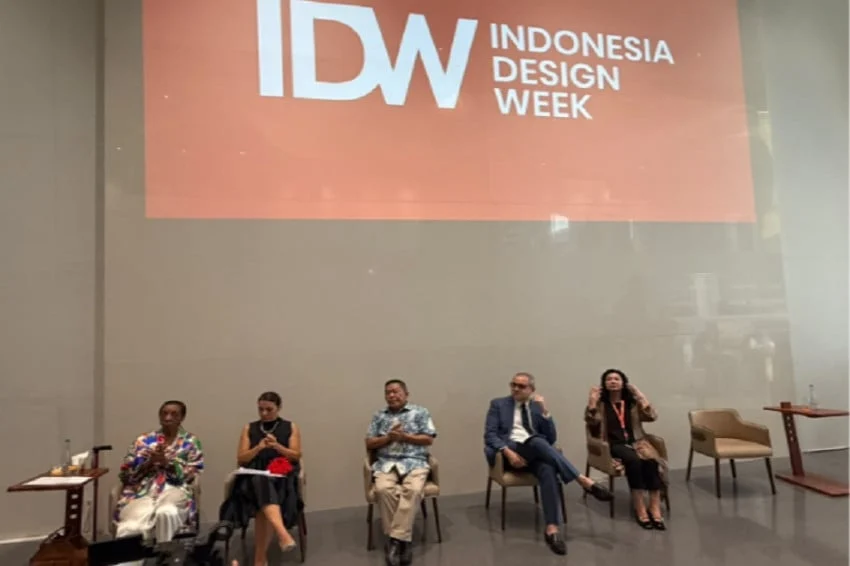
The grand landscape of Indonesia’s creative and architectural sectors has officially entered a vibrant new chapter with the highly anticipated return of the Indonesia Design Week (IDW). Serving as the flagship annual event organized by the Indonesia Design District (IDD) located in Pantai Indah Kapuk 2 (PIK2), this year’s edition marks a monumental shift in scale, ambition, and geographic footprint. Running for ten intensive days from September 18 to September 27, 2026, IDW has evolved from a localized district celebration into a sprawling, multi-destination festival of design, culture, and urban innovation.
For the first time since its inception, IDW refuses to confine its creative energy to the walls of IDD PIK2. Instead, the festival has boldly expanded across the entire expanse of the PIK region, transforming iconic urban landmarks into immersive galleries of human ingenuity. Visitors, industry professionals, and design enthusiasts are now invited to traverse a curated urban trail that spans Pantjoran PIK, Central Market PIK, By The Sea PIK, Batavia PIK, Land’s End PIK2, and Orange Groves PIK2. This strategic decentralization highlights a modern urban planning philosophy: that design is not merely an indoor artifact to be viewed in isolation, but an interactive, living dialogue between public spaces, local heritage, and the modern populace.
Collective Culture: The Core Philosophy of IDW 2026
Under the overarching theme of "Collective Culture," IDW 2026 challenges stakeholders to view design as an essential, organic component of daily life. The theme underscores the belief that true creative evolution thrives on the intersections of diverse perspectives, interdisciplinary collaborations, and robust community engagement. Guided by the foundational pillars of "Crafted in Collaboration, Curated by Culture, and Built Through Diversity," the festival has successfully united a vast ecosystem of international and domestic designers, visionary architects, avant-garde artists, educational institutions, commercial enterprises, ambitious students, and grassroots communities.
The programming for IDW 2026 has been meticulously structured to bridge traditional heritage with forward-looking sustainability, contemporary fashion, lifestyle innovation, recreational architecture, and deep community involvement. By dispersing these programs across the various PIK destinations, the organizers have ensured that every venue offers a distinct sensory and intellectual experience. For instance, waterfront spaces like Land’s End PIK2 and Batavia PIK host large-scale outdoor installations exploring coastal architecture and sustainable public spaces, while retail-centric hubs like Central Market PIK and By The Sea PIK focus on circular fashion, eco-friendly retail design, and localized craftsmanship.
A Historic Milestone: SaloneSatellite Permanent Collection Exhibition Makes Its Indonesian Debut
Without a doubt, the crown jewel of IDW 2026 is the historic arrival of the SaloneSatellite Permanent Collection Exhibition. Running for an extended month-long duration from September 18 to October 18, 2026, this exhibition marks the very first time the prestigious collection has been brought to Indonesia.
SaloneSatellite, globally renowned as the ultimate launchpad for international design talent under the umbrella of Milan’s Salone del Mobile, represents nearly three decades of cutting-edge contemporary design. The exhibition in PIK grants Indonesian audiences, students, and emerging professionals a rare, firsthand look at the developmental trajectories of some of the world’s most brilliant young designers. Featuring innovative furniture, conceptual household items, and experimental material studies from across the globe, the exhibition serves as an educational and inspirational touchstone, encouraging Indonesian creatives to benchmark their work against the highest international standards.
Industry observers note that the presence of the SaloneSatellite collection in PIK2 elevates Jakarta’s status as an emerging epicentre for design and architecture in Southeast Asia. It signals to the global design community that the Indonesian market is not only a lucrative consumer base but also a sophisticated participant in global creative discourse.
Strategic Economic Synergy with Bank Mandiri
The monumental scale of IDW 2026 requires robust institutional backing, which is vividly demonstrated through the strategic partnership with Bank Mandiri. Serving as the Official Banking Partner of the event, Bank Mandiri’s involvement underscores a growing recognition among financial institutions that the creative economy is a vital pillar of Indonesia’s future macroeconomic resilience.
This partnership aligns harmoniously with Bank Mandiri’s corporate ethos and its 28th-anniversary celebration theme, "Tumbuh Bersama Majukan Indonesia" (Growing Together to Advance Indonesia). By integrating seamless financial solutions and modern payment ecosystems into the festival experience, Bank Mandiri is actively facilitating transactions for micro, small, and medium enterprises (MSMEs), independent designers, and major retail tenants participating in IDW.
To incentivize public participation and stimulate local spending, Bank Mandiri has deployed an extensive array of exclusive financial offerings throughout the ten-day festival. Attendees can benefit from targeted cashback programs, specialized shopping vouchers, and tailored rewards designed for new Mandiri Prioritas customers. Furthermore, the bank has introduced attractive welcome benefits of up to IDR 1.5 million for credit card applicants, zero-percent installment programs spanning up to 12 months, and e-coupons valued up to IDR 250,000 redeemable at participating tenants across the PIK destinations. This financial infrastructure not only enhances the visitor experience but also directly injects liquidity into the participating creative businesses.
The Evolution and Chronology of Indonesia Design District
To fully understand the weight of IDW 2026, one must examine the rapid maturation of the Indonesia Design District (IDD) at PIK2. Conceived as Indonesia’s largest integrated design and furniture center, IDD was established to centralize the country’s fragmented interior design and architecture supply chains into a single, cohesive destination.
In its inaugural years, the district focused heavily on establishing physical infrastructure, gathering top-tier furniture brands, interior consultants, and architectural material suppliers under one roof. However, the launch of Indonesia Design Week signaled a pivot from a permanent commercial marketplace to a dynamic cultural institution. By expanding the event outward into the broader PIK ecosystem—leveraging the synergy of nearby commercial developments, cultural hubs, and transportation corridors—the organizers have charted a new trajectory for urban placemaking in Greater Jakarta.
The timing of IDW 2026 also coincides with significant infrastructure enhancements within the region. With major connectivity projects such as the upcoming operation of the Kataraja Toll Road—projected to drastically reduce travel times between Soekarno-Hatta International Airport and PIK2 to a mere seven minutes—accessibility to the festival grounds has been vastly optimized. This infrastructure boom ensures that regional and international visitors can seamlessly navigate to PIK, cementing its reputation as a self-sustaining, futuristic smart city.
Structural Framework of the Festival
To manage the massive influx of visitors and ensure a comprehensive exploration of the themes, the organizing committee structured the IDW 2026 calendar into three distinct pillars:
- Main Highlights: This pillar encompasses anchor exhibitions, international showcases like SaloneSatellite, and large-scale architectural pavilions designed by prominent Indonesian and foreign collaborative teams. These installations serve as the conceptual backbone of the festival, sparking intense debates on sustainability, urban density, and material innovation.
- Experience Programs: Designed for public interaction, these programs include masterclasses, keynote lectures by international design icons, hands-on workshops on traditional crafts, and immersive sensory installations located across the various PIK zones. These sessions aim to demystify design for the general public, proving that spatial and aesthetic innovation impacts everyday life.
- Community and Supporting Events: Recognizing the grassroots nature of the creative economy, this pillar gives platform to local artisan collectives, university design departments, and independent fashion labels. Pop-up markets, live artistic performances, and community-led design hackathons form the core of this segment, ensuring that emerging voices find a receptive audience.
Broader Implications and Economic Impact
The realization of an event as expansive as Indonesia Design Week 2026 carries profound implications for Indonesia’s creative economy, which has steadily positioned itself as a significant contributor to the national Gross Domestic Product (GDP). According to data from the Ministry of Tourism and Creative Economy, the creative sector continues to demonstrate robust growth, driven largely by sub-sectors such as architecture, interior design, fashion, and product design.
By decentralizing the festival across multiple districts in PIK, IDW 2026 serves as a living laboratory for urban activation. It demonstrates how retail spaces, public boardwalks, and commercial developments can be temporarily or permanently transformed through thoughtful design interventions. For property developers, urban planners, and municipal policymakers, the festival offers a compelling case study in destination branding and community-centric urban design.
Furthermore, the inclusion of global benchmarks such as the SaloneSatellite collection bridges a critical gap in professional development for Indonesian creatives. Exposure to international standards of prototyping, conceptual rigor, and sustainable manufacturing practices equips local designers with the tools necessary to compete on the global stage. Simultaneously, the robust financial backing provided by institutional partners like Bank Mandiri proves that the creative industries are increasingly viewed as bankable, low-risk, high-return sectors worthy of institutional investment.
As Indonesia Design Week 2026 progresses through its multi-location itinerary, it stands not only as a celebration of aesthetics and utility, but as a testament to the power of collective vision. By dissolving the boundaries between high art, commercial enterprise, and public space, IDW has successfully redefined the parameters of what a design festival can achieve in Southeast Asia’s largest economy.