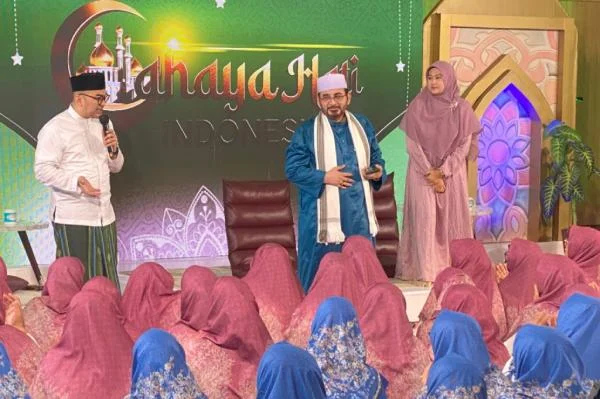
The landscape of religious broadcasting in Indonesia has undergone a significant transformation, with programs increasingly seeking to bridge the gap between academic theology and practical daily living. Among the most notable entries in this genre is the iNews TV program Cahaya Hati Indonesia, which has recently garnered high praise from prominent religious scholars for its distinctive pedagogical approach. During a recent recording session at the Masjid Jami Nuurusan Saadah in Bekasi Utara, Kota Bekasi, on Sunday, November 8, 2026, Habib Nabiel Al Musawa underscored that the program distinguishes itself through its heavy emphasis on the systematic interpretation of the Quran, a feature he argues is largely absent in the standard format of contemporary religious television.
A Departure from Conventional Broadcasting
Typically, religious television programming in the Indonesian media market tends to focus on episodic tausiah (sermons) or thematic discussions led by guest speakers. While these formats serve to provide spiritual comfort, they often lack the continuity required for deeper theological education. Habib Nabiel Al Musawa, a respected figure in the Indonesian Islamic community, noted that Cahaya Hati Indonesia adopts a fundamentally different methodology. By anchoring its segments in rigorous Quranic tafsir (exegesis), the program provides viewers with a structured understanding of scripture rather than isolated moral anecdotes.
"I want to convey this to all iNews viewers: Cahaya Hati Indonesia is an extraordinary program," Habib Nabiel stated during the event. "It occupies a unique niche that I have not encountered in other television broadcasts. It does not merely deliver a lecture; it invites the audience into the process of understanding the word of God through a logical and scholarly framework."
The Methodology of Cahaya Hati Indonesia
The pedagogical strength of the program lies in its commitment to tafsir. By beginning each session with an analytical look at specific verses before transitioning into practical application, the program allows the audience to grasp the context, history, and linguistic nuances of the Quran. This approach is designed to equip the layperson with the tools to interpret religious teachings independently, fostering a more informed and resilient religious identity among the public.
For many viewers, this represents a shift from passive consumption of sermons to active learning. The program’s producers have intentionally curated a format that balances intellectual depth with accessibility, ensuring that complex theological concepts remain relevant to the daily lives of citizens in a rapidly modernizing society.
Chronology and Context of the Event
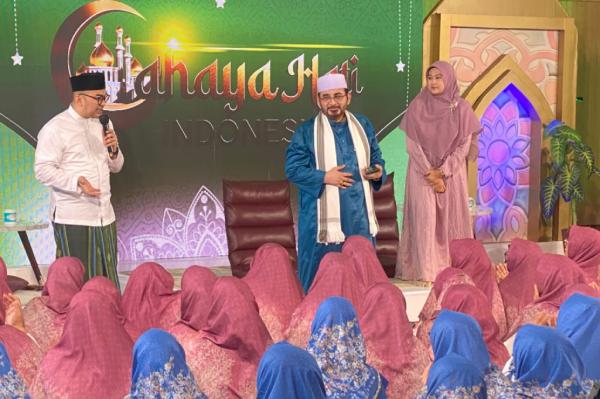
The recent filming at Masjid Jami Nuurusan Saadah serves as a microcosm of the program’s broader outreach strategy. The event, held on November 8, 2026, drew a significant crowd of local residents, reflecting the growing popularity of community-based religious engagement.
- Early October 2026: Preparations for the outreach series were finalized, with producers selecting locations that maximize community participation.
- October 24, 2026: Earlier reports indicated positive feedback from other scholars, such as Ustadz Abdul Kaafi, who noted the program’s ability to provide education tailored to the specific needs and social conditions of the modern community.
- November 8, 2026: The filming in Bekasi Utara featured Habib Nabiel, marking a highlight in the program’s current season.
- Ongoing: The production team continues to rotate through various regions, ensuring a diverse representation of the Indonesian Muslim population.
Supporting Data and Industry Trends
The success of Cahaya Hati Indonesia coincides with a broader trend in Indonesian media toward "lifestyle-based" religious content. Market data suggests that viewers are increasingly seeking programs that provide tangible solutions to social, economic, and moral challenges. According to industry analysts, religious programs that integrate traditional education with contemporary formats tend to retain higher audience engagement rates.
Television rating data (Nielsen-style metrics) generally indicates that religious programs, when executed with high production quality and authoritative content, hold a loyal demographic. By moving from studio settings to actual community mosques, Cahaya Hati Indonesia effectively leverages the "field-broadcast" model, which has been shown to increase authentic engagement and viewership trust.
Perspectives from the Field
The acclaim for the program is not limited to Habib Nabiel. Other religious leaders have highlighted the program’s utility as a tool for public education. Ustadz Abdul Kaafi, who has previously collaborated with the program, noted that the strength of the show lies in its responsiveness to the current anxieties and questions faced by the Indonesian public. By addressing topics such as ethics in the digital age, family dynamics, and social responsibility through a lens of faith, the program remains relevant in a way that purely traditionalist lectures may not.
The enthusiasm of the jemaah (congregants) at various locations—such as the recent gathering at Masjid Baitul Mu’minin—further validates the production team’s decision to maintain a grassroots focus. The visible participation of the audience, including youth and community leaders, indicates that the program is successfully bridging generational divides.
Implications for Future Religious Broadcasting
The success of this format suggests that the future of religious broadcasting in Indonesia may lie in "edu-tainment" that does not sacrifice academic integrity. As the country grapples with the influence of the internet and the rapid spread of misinformation, the role of credible, televised religious instruction becomes increasingly critical.

The focus on tafsir, as advocated by Habib Nabiel, acts as a safeguard against extremist or superficial interpretations of religious texts. By promoting a standardized, scholarly understanding of the Quran, programs like Cahaya Hati Indonesia contribute to a more moderate and intellectually grounded religious discourse.
Challenges and Sustainability
While the reception has been overwhelmingly positive, the long-term sustainability of such a model depends on the ability of producers to maintain high standards of scholarship while meeting the pressures of commercial broadcasting. The challenge for iNews TV will be to continue providing a platform for diverse, qualified scholars like Habib Nabiel without compromising the integrity of the content.
The integration of local mosque visits also presents logistical challenges. Coordinating with local religious authorities and ensuring that each episode is both localized and broadly applicable requires a high degree of editorial oversight. However, the current trajectory suggests that the program is meeting these challenges effectively, as evidenced by the consistently high engagement from the public.
Conclusion
The praise from Habib Nabiel Al Musawa serves as a timely reminder of the power of media to shape social and religious consciousness. Cahaya Hati Indonesia has successfully positioned itself as more than just a television program; it is a platform for community development and religious literacy. By prioritizing the interpretation of scripture and fostering a direct connection with the community, it provides a blueprint for how media outlets can contribute positively to the religious landscape of Indonesia.
As the program continues its tour across the nation, it remains a focal point for those interested in the evolution of Islamic education in the digital age. The commitment to maintaining a focus on tafsir, while adapting to the demands of modern television, ensures that it remains a unique and vital asset to the Indonesian public. Future episodes will likely continue to draw from the depth of traditional Islamic scholarship to address the evolving concerns of the modern era, setting a high standard for religious programming in the years to come.