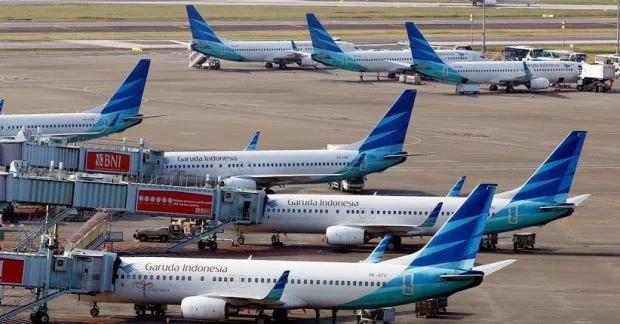
PT Garuda Indonesia (Persero) Tbk and its subsidiary, Citilink, have announced a strategic initiative to support the surge in domestic mobility during the upcoming year-end holiday season. The airline group is preparing a total capacity of one million seats to accommodate passenger demand for the Christmas 2026 and New Year 2027 (Nataru) period. This move is designed not only to facilitate travel but also to align with government-led efforts to revitalize the national tourism and aviation sectors through targeted fiscal stimulus.
The operational window for this increased capacity is set from December 22, 2026, to January 10, 2027. During this nineteen-day period, the airlines anticipate a significant uptick in traffic, driven by holidaymakers returning to their hometowns or visiting domestic tourist destinations. By scaling operations, Garuda Indonesia and Citilink aim to maintain service reliability and manage the potential volatility of flight availability during the peak travel window.
Government Stimulus and the Mechanics of Price Reduction
The announcement, delivered by VP Global Sales & Distribution for Garuda Indonesia, Micky Irfandi, in Jakarta on Monday, November 9, 2026, highlighted that the availability of these seats is intrinsically linked to recent government policy adjustments. Central to this strategy is a fiscal stimulus package aimed at lowering the cost of air travel for the average consumer.
The government has introduced two primary mechanisms to achieve the projected 11 to 12 percent reduction in ticket prices. First, the implementation of a Value Added Tax (VAT) DTP—borne by the government—set at 11 percent for domestic flights in the economy class. This policy effectively removes the tax burden from the passenger, directly lowering the base fare. Second, the government has mandated a 50 percent reduction in airport service charges for specific hubs. These airport charges, which usually constitute a significant portion of the "Airport Tax" component in a ticket, have long been a point of contention in discussions regarding the high cost of domestic flights in Indonesia.
By streamlining these operational costs, the government intends to stimulate regional economies. For the airline industry, this is a welcomed intervention, as high operational costs—driven by fuel prices and currency fluctuations—have historically constrained demand.
Chronology and Operational Readiness
The planning for the 2026-2027 holiday season began in late Q3 2026, as stakeholders from the Ministry of Transportation, state-owned airport operators, and commercial airlines began assessing the potential for a rebound in domestic tourism.
- September 2026: Initial coordination meetings between the Ministry of Transportation and aviation industry leaders to identify bottlenecks in supply chain and fleet readiness.
- October 2026: Government finalizes the fiscal stimulus package, including the PPN DTP provisions, as part of an effort to stabilize inflation and encourage domestic spending during the holiday period.
- Early November 2026: Garuda Indonesia and Citilink announce their formal commitment to the 1 million-seat capacity target, signaling readiness to provide the necessary fleet and crew for the projected traffic surge.
- December 22, 2026: Official commencement of the holiday operational period.
- January 10, 2027: Conclusion of the peak travel period.
The alignment of these dates ensures that the airlines can capture the maximum volume of passengers. Garuda Indonesia, acting as the premium carrier, will focus its resources on high-traffic routes connecting major metropolitan hubs, while Citilink will provide the necessary frequency for secondary cities and tourism-centric destinations.
Economic Implications for the Aviation Sector
The decision to lower ticket prices through government intervention is a strategic move to manage the "high-cost" reputation of Indonesia’s aviation market. According to aviation analysts, the Indonesian market is highly price-sensitive. Even a 10 to 12 percent reduction in ticket prices can translate into a significant increase in the "load factor"—the percentage of seats filled per flight.
Furthermore, this move serves as a buffer against inflation. As the cost of living rises, consumers often prioritize essential spending over travel. By reducing the price of air travel, the government and the airlines are essentially incentivizing consumption in the hospitality, food and beverage, and retail sectors, all of which depend heavily on the mobility of travelers during the holiday season.

However, the effectiveness of these price reductions relies on the strict adherence of all stakeholders to the regulatory framework. Micky Irfandi emphasized that the price adjustments would be strictly in accordance with current regulations, ensuring that the benefits of the stimulus are passed directly to the passengers rather than being absorbed by operational inefficiencies.
Supporting Data and Industry Context
The Indonesian aviation industry has been on a gradual path to recovery following the global economic shifts of previous years. Data from the Central Statistics Agency (BPS) historically shows that the Nataru period is the busiest travel season in the country, often surpassing the Lebaran (Eid al-Fitr) period in terms of international tourist arrivals and domestic holiday travel.
With the 2026-2027 projection of 1 million seats, Garuda Indonesia and Citilink are positioning themselves to maintain their dominant market share. This capacity is critical not only for passenger comfort but for the logistical connectivity of the Indonesian archipelago. Aviation remains the only viable mode of transport for long-distance travel between islands, making the efficiency of the national flag carrier and its subsidiaries a matter of national interest.
Industry observers note that the combination of lower VAT and reduced airport fees acts as a "multiplier effect." When airfares are affordable, passenger numbers rise. Increased passenger volume leads to higher revenues for airports, higher occupancy rates for hotels, and increased spending at local tourist attractions. Therefore, the sacrifice of tax revenue by the government is viewed as an investment in the broader tourism ecosystem.
Challenges and Future Outlook
Despite the optimistic outlook, the aviation industry faces ongoing challenges. Fuel price volatility remains the single largest threat to operating margins. While the government stimulus provides immediate relief, the long-term sustainability of such discounts depends on broader economic indicators, including the stability of the Rupiah and the cost of aviation turbine fuel (Avgas).
Furthermore, the operational success of the 1-million-seat plan depends on the ground handling and infrastructure readiness of airports. As passenger volume surges in late December, airports must manage increased security screenings, check-in flows, and baggage handling. The Ministry of Transportation has indicated that it will work closely with Angkasa Pura to ensure that these airports can handle the increased frequency without compromising safety standards.
For passengers, the key takeaway is the importance of early booking. While the capacity increase is substantial, the sheer volume of travelers during the holiday season often leads to rapid depletion of lower-fare buckets. The 11–12 percent discount is expected to apply across various booking classes, but early planning remains essential to securing these rates.
Conclusion: A Strategic Approach to Year-End Mobility
The coordinated efforts by Garuda Indonesia and Citilink to provide 1 million seats during the 2026-2027 holiday season represent a vital synergy between state-owned enterprises and government fiscal policy. By prioritizing affordability through the removal of certain tax and service burdens, the industry is creating a more accessible travel environment.
As Indonesia approaches the end of 2026, the focus will remain on the execution of these plans. If successful, this initiative could serve as a template for future holiday travel periods, demonstrating how government-industry cooperation can effectively manage the costs of travel while supporting national economic growth. For the traveling public, the promise of lower fares and increased flight frequency is a welcome development, offering a more convenient and cost-effective way to reunite with families or enjoy the year-end festivities across the archipelago.
As the industry prepares for the upcoming peak, the vigilance of the authorities and the logistical discipline of the airlines will be the determining factors in whether this ambitious target is met. With the framework now in place, the focus shifts to the implementation phase, marking a significant milestone in the ongoing efforts to normalize and stimulate the Indonesian air travel market.