The rapid proliferation of electric vehicles (EVs) globally has brought the issue of charging infrastructure to the forefront of automotive discourse. While the convenience of internal combustion engines historically relied on the ubiquitous presence of fuel stations, the EV transition depends heavily on the evolution of battery management systems and charging speeds. Among the most discussed advancements is "flash charging" or ultra-fast charging technology, which promises to slash the time drivers spend tethered to a charging station. Despite its technical appeal, a persistent skepticism remains among consumers regarding the potential degradation of battery health when subjected to high-voltage, high-speed charging cycles on a daily basis.
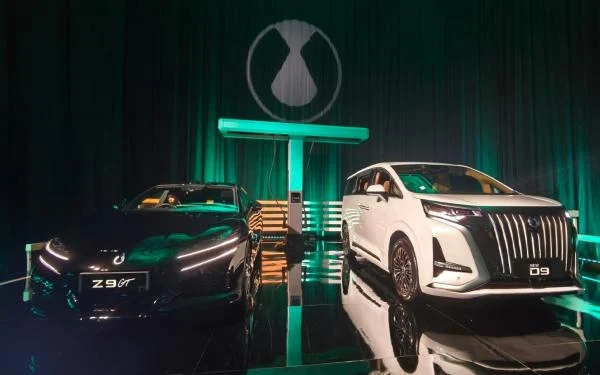
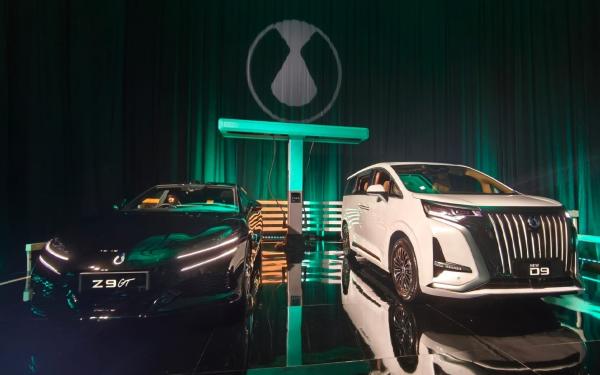
Addressing these concerns at the Gaikindo Auto Week (GAW) 2026, industry experts and manufacturers have moved to clarify the mechanical and chemical realities of modern EV power systems. Ubaedillah, Head of Flash Charging at BYD Motor Indonesia, emphasized that modern battery technology—specifically lithium-ion chemistries utilized in current electric fleets—has undergone rigorous stress testing that far exceeds standard daily usage scenarios. According to the manufacturer, the consensus among automotive engineers is that the technological safeguards embedded in modern battery management systems (BMS) are sufficient to mitigate the risks historically associated with rapid energy transfer.
Understanding the Mechanics of Flash Charging
To understand why flash charging is considered safe, one must first understand the fundamental operation of an EV battery. Lithium-ion batteries function through the movement of lithium ions between a cathode and an anode through an electrolyte. In traditional charging, this flow is controlled at a steady, moderate rate to minimize heat generation. Flash charging, or DC fast charging, forces a higher volume of energy into the battery cells in a condensed timeframe.
The primary concern for early EV adopters was thermal runaway and electrode degradation. If ions move too quickly, they can potentially "plate" onto the surface of the anode rather than intercalating into the structure, a phenomenon known as lithium plating, which reduces battery capacity over time. However, modern vehicles like those produced by BYD employ sophisticated thermal management systems. These systems actively regulate battery temperature, liquid-cooling the cells during high-current intake to ensure that the internal chemistry remains within optimal operational windows, regardless of the speed at which energy is being injected.
The Rigorous Testing Standards of Modern EV Batteries
The assertion of safety provided by manufacturers is not merely theoretical; it is backed by exhaustive testing protocols. Ubaedillah noted that the testing regimen for the current generation of power packs includes extreme environmental exposure. One of the most challenging tests involves operating the battery systems in temperatures as low as minus 30 degrees Celsius. In such frigid conditions, battery efficiency typically drops, and the risk of physical damage to the internal structure during rapid charging is heightened.
BYD and other major manufacturers subject their battery modules to thousands of cycles of "flash charging" followed by comprehensive diagnostics to track state-of-health (SoH) metrics. These tests demonstrate that even under the stress of daily fast charging, the degradation curve remains within the expected parameters of the manufacturer’s design life. The integration of "intelligent charging" software allows the car to communicate with the charging station, adjusting the power delivery in real-time based on the battery’s current temperature, state of charge (SoC), and overall health, effectively creating a feedback loop that prevents damage before it occurs.
Economic Implications and Long-Term Warranty Commitments
The confidence manufacturers have in their charging technology is best exemplified by their commitment to long-term warranties. BYD, for instance, offers a comprehensive battery warranty covering 8 years or 190,000 kilometers. This warranty serves as a financial guarantee that the technology is robust enough to withstand the expected usage patterns of an average driver, including frequent reliance on high-speed charging infrastructure.

From an economic perspective, the shift toward faster charging is essential for the mass adoption of electric vehicles. For the technology to be viable for long-distance travel and for consumers who lack the ability to install home charging stations, public "flash" charging must be the industry standard. By guaranteeing the performance of these batteries under high-stress conditions, manufacturers are attempting to remove the "range anxiety" and "charging anxiety" that currently act as barriers to entry for potential buyers.
The Role of Battery Management Systems (BMS)
At the heart of the safety debate is the Battery Management System (BMS). This electronic controller acts as the "brain" of the battery pack. Its responsibilities are manifold:
- Cell Balancing: Ensuring that each individual cell within the battery pack maintains a similar voltage level to prevent overcharging.
- Thermal Monitoring: Using a network of sensors to detect hotspots and adjusting current intake to keep the battery in a safe thermal envelope.
- Communication Protocols: Negotiating with the DC fast charger to determine the maximum safe amperage the battery can accept at any given moment.
As the state of charge approaches 80 percent, the BMS typically throttles the charging speed. This is a deliberate safety design, as the final 20 percent of a battery’s capacity is the most sensitive to heat and pressure. By slowing down the intake during this phase, the system protects the long-term integrity of the cells. This automated process is why, despite the "flash" moniker, the total time required to reach 100 percent is always exponentially higher than the time required to reach 80 percent.
Broader Industry Impact and Future Outlook
The industry’s push toward standardizing ultra-fast charging is not isolated to passenger vehicles. The commercial sector, including electric buses and logistics trucks, relies on rapid turnaround times to maintain operational efficiency. As the technology continues to mature, we are likely to see the emergence of solid-state batteries and other chemistries that are even more resistant to heat and degradation than current liquid-electrolyte lithium-ion batteries.

However, the current discourse at events like the Gaikindo Auto Week serves as a necessary educational bridge for the public. As manufacturers provide more transparent data regarding battery health and safety protocols, the stigma surrounding fast charging is gradually dissipating. The industry is effectively shifting the narrative from "fast charging is harmful" to "fast charging is a managed, safe process that is essential for the sustainable growth of the EV ecosystem."
Conclusion: A Measured Approach to EV Ownership
While the concerns surrounding flash charging are rooted in the logical desire to protect a significant financial investment, the empirical evidence provided by leading manufacturers suggests that these fears are largely mitigated by modern engineering. The integration of advanced thermal management, sophisticated software-based monitoring, and the backing of substantial, multi-year warranties provides a robust safety net for consumers.
For those considering the switch to electric mobility, the reality is that the infrastructure is catching up to the consumer’s needs. As the transition to electric vehicles continues to accelerate, the refinement of charging technologies will remain a primary focus for engineers. With continued investment in battery durability and the ongoing expansion of fast-charging networks, the convenience of the electric vehicle is poised to mirror, and eventually surpass, the refueling experience of traditional internal combustion vehicles, all while maintaining the long-term health and reliability of the vehicle’s most critical component: the battery. Consumers can rest assured that, within the design parameters set by manufacturers, the speed of modern charging is not a detriment to the lifespan of their vehicle, but rather a testament to the rapid advancement of automotive technology in the 21st century.