The used car market in Indonesia has undergone a significant transformation, moving beyond the traditional narrative that price point is the sole determinant of consumer behavior. While affordability remains a primary driver for many, industry experts and consumer behavior data suggest that factors such as trust, transparency, and long-term relationships with dealerships are increasingly dictating purchase decisions. This shift is not merely anecdotal; it reflects a maturing automotive landscape where safety, reliability, and the reputation of the seller have become the pillars of consumer confidence.
The Evolution of the Pre-Owned Vehicle Sector
For decades, the Indonesian automotive market was heavily skewed toward brand-new vehicles, often viewed as symbols of status and reliability. However, economic fluctuations and the rise of digital marketplaces have normalized the purchase of pre-owned vehicles. According to industry reports, the used car market is no longer just an alternative for those with restricted budgets; it has become a strategic choice for savvy consumers who prioritize value-for-money and depreciation management.
Historically, the stigma associated with buying used cars—namely the fear of hidden defects—was a major hurdle. To counter this, established dealerships have moved toward a model of "trust-based commerce." By implementing rigorous inspection protocols, providing comprehensive vehicle history reports, and offering post-purchase warranties, these businesses have successfully lowered the barrier to entry for cautious buyers.
Consumer Trust as a Currency
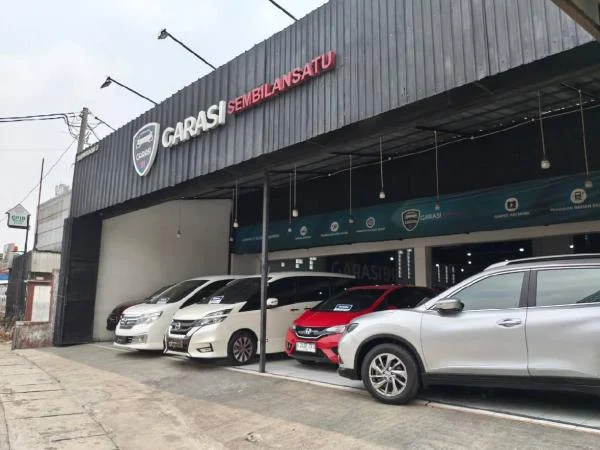
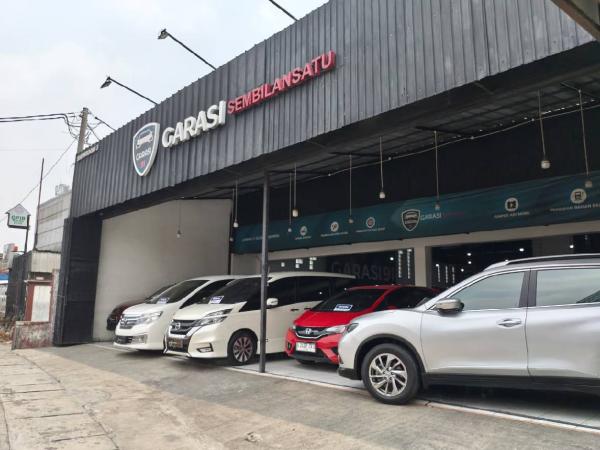
The importance of brand loyalty in the used car sector was recently highlighted during the "Ngopi Asik Bareng Garasi 91" event in Jakarta. The experience of repeat customers serves as a vital indicator of market health. Retno Ayu, a consumer who has made six vehicle purchases from the same dealer since 2017, provides a clear case study on how customer retention is built.
"The decision to return to the same dealer is not accidental," explains a senior market analyst. "It is a deliberate choice predicated on a track record of consistency. When a customer feels that the dealer prioritizes their long-term satisfaction over a quick, one-time sale, that dealership secures a competitive advantage that no amount of price slashing can replicate."
This phenomenon demonstrates that in the automotive retail space, the "product" is not just the vehicle itself, but the entire service experience, from the initial inspection to the transparency of the transaction.
Data Trends: The Indonesian Automotive Landscape
The broader context of this trend is supported by national automotive data. As of August 2026, the Indonesian car market has shown resilience, with total sales reaching approximately 599,000 units. While this figure encompasses both new and used vehicle registrations, the upward trajectory of the industry as a whole underscores a robust demand for personal mobility.
A notable shift within this data is the growing prominence of electric vehicles (EVs). For instance, the recent surge in demand for the Changan Nevo Q05, which saw over 1,000 units ordered upon release, indicates that consumers are increasingly comfortable embracing new technologies. This interest in emerging tech inevitably bleeds into the used car market as well; as early adopters upgrade their vehicles, the supply of high-quality, pre-owned EVs is expected to grow, creating a new segment in the secondary market.
Key Factors Influencing Purchase Decisions
To understand why a consumer chooses a specific vehicle, market researchers often look at a "Hierarchy of Needs" for car buyers:

- Vehicle Condition and History: Modern buyers are more educated than ever. They demand access to service records, accident reports, and engine health checks.
- Price-to-Value Ratio: While lower than new cars, the price must align with the current market valuation and the condition of the specific unit.
- Transparency of Transaction: Hidden fees, ambiguous terms, or "as-is" sales without proper disclosure are major deterrents.
- After-Sales Support: The availability of parts, servicing, and a reliable point of contact for troubleshooting post-purchase is a major factor in brand loyalty.
- Alignment with Lifestyle: Buyers today are more focused on how a vehicle fits their daily commute, family size, and environmental values, rather than just the model name.
The Role of Technology and Digital Integration
The digital age has fundamentally changed how consumers interact with dealerships. Today, a customer’s journey often begins on a mobile device, browsing inventory, comparing prices, and reading reviews before they ever set foot on a lot.
This digital footprint allows dealerships to build a "digital reputation." A dealer with a strong online presence—backed by authentic testimonials and transparent pricing—is far more likely to attract customers than one relying solely on physical foot traffic. Furthermore, digital integration allows for better inventory management, enabling dealers to match the right vehicle with the right customer more efficiently, which in turn boosts customer satisfaction scores.
Implications for Dealerships and the Market
The current trend toward relationship-based, transparent car sales holds significant implications for the industry. Dealerships that continue to operate under "caveat emptor" (buyer beware) principles are likely to face shrinking market shares. Conversely, those that invest in professional certifications, third-party inspections, and customer relationship management (CRM) systems are positioned to dominate.
For the Indonesian economy, a thriving used car market is a positive sign of consumer liquidity and confidence. When the secondary market functions efficiently, it facilitates the mobility of labor and goods, while also allowing consumers to cycle through vehicles as their economic or personal circumstances change.
Looking Ahead: A More Mature Market
As the Indonesian automotive market moves toward the end of 2026, the intersection of technological advancement and traditional consumer behavior will continue to shape the industry. The rise of EVs, combined with a more discerning consumer base, suggests that the market is entering a phase of increased professionalism.

The transition from a price-centric market to a value-and-trust-centric market is beneficial for all stakeholders. For the consumer, it means greater peace of mind and better long-term value. For the industry, it means a more sustainable, transparent, and profitable environment.
In conclusion, the story of individual repeat customers like Retno Ayu is a microcosm of a larger, positive shift. When consumers can trust the provenance and the process of buying a used vehicle, the entire market benefits. As long as dealers continue to prioritize transparency and relationship-building, the Indonesian used car sector is well-positioned to maintain its current momentum, proving that in the modern automotive world, trust is indeed the most valuable commodity of all.
By prioritizing these pillars of consumer experience, dealerships are not just moving inventory; they are building the infrastructure for a more connected and confident automotive society. Whether it is an internal combustion engine vehicle or the latest electric model, the fundamental desire for a reliable, honest, and supported purchase remains the cornerstone of the Indonesian automotive dream.