
Jakarta – The rapid evolution of the electric motorcycle industry in Indonesia has brought to light a multifaceted set of challenges that extend far beyond initial retail pricing. While affordability remains a primary consideration for prospective buyers navigating the transition from internal combustion engines to battery-powered alternatives, industry stakeholders emphasize that long-term market viability depends on navigating a complex web of technological, logistical, and consumer-centric hurdles. Locally produced and assembled electric two-wheelers must contend with stringent supply chain demands, battery technology advancements, the establishment of robust service networks, and the cultivation of consumer trust.
As the government pushes toward ambitious net-zero emission targets and green economic frameworks, the domestic automotive landscape finds itself at a critical juncture. The transition requires a synchronized approach where manufacturing capabilities, infrastructure development, and regulatory frameworks evolve in tandem. Industry experts note that the success of electric vehicles (EVs) in the world’s fourth-most populous nation cannot rely solely on the rollout of new models; it demands a comprehensive, resilient ecosystem capable of supporting consumers throughout the entire lifecycle of their vehicles.
The Core Pillars of Consumer Hesitation
When consumers evaluate electric motorcycles, price is frequently the initial filter, but purchase decisions are increasingly dictated by practical utility and long-term operating costs. Key factors influencing consumer adoption include real-world riding range, the accessibility and speed of charging infrastructure, the availability of replacement parts, comprehensive after-sales support, and predictable total cost of ownership over several years of operation.
Range anxiety remains a persistent psychological and practical barrier for urban and suburban commuters alike. Coupled with concerns over battery degradation over time, buyers demand clear, transparent data regarding how power cells perform under tropical weather conditions and heavy daily usage. Furthermore, the absence of standardized charging protocols across different brands has historically complicated the infrastructure landscape, prompting manufacturers to invest heavily in proprietary or semi-standardized support networks.
Another critical determinant of consumer confidence is the resale value of electric motorcycles. Unlike traditional motorcycles, which possess a well-established second-hand market with transparent valuation metrics, electric vehicles lack historical pricing benchmarks. Consumers require assurances regarding battery lifespan, warranty terms, and the residual value of the vehicle once it reaches the secondary market. Addressing these concerns requires concerted educational campaigns and transparent product guarantees from manufacturers and authorized dealers alike.
Building a Robust After-Sales Service Infrastructure
The expansion of the electric motorcycle market is inextricably linked to the development of extensive service networks. Unlike conventional motorcycles, which can be serviced by virtually any independent neighborhood mechanic, electric motorcycles feature high-voltage electrical systems, specialized controllers, and proprietary software that necessitate trained technicians and specialized diagnostic tools.
Recognizing this reality, leading automotive groups operating within the Indonesian market have prioritized the rapid deployment of authorized dealerships and service centers. A wider geographical distribution of service outlets ensures that consumers can easily access routine maintenance, software updates, and prompt component replacements without facing prolonged vehicle downtime. This infrastructure investment serves as a vital anchor for consumer trust, signaling that the manufacturer is committed to long-term support rather than merely capitalizing on short-term sales trends.
The Battery Challenge: Sourcing, Technology, and Cost Dynamics
At the heart of every electric motorcycle lies the battery pack, which simultaneously serves as its most critical technological asset and its most expensive single component. The cost of lithium-ion or alternative chemistry battery cells directly dictates the final retail price of the vehicle, while its capacity dictates the operational range.
For the domestic manufacturing sector, securing a stable supply of high-quality battery cells remains a strategic imperative. While Indonesia boasts vast reserves of nickel—a critical mineral for electric vehicle battery production—the domestic refining capacity and localized cell-manufacturing ecosystem are still maturing. Consequently, local assemblers must balance the integration of advanced battery management systems (BMS) with the imperative to maximize the domestic component content level, known locally as Tingkat Komponen Dalam Negeri (TKDN).
Navigating Supply Chain Localization and TKDN Mandates
The Indonesian government has established rigorous regulatory frameworks designed to bolster domestic manufacturing and reduce reliance on imported components. For electric vehicle manufacturers, achieving high TKDN percentages is not only a regulatory compliance measure but also a strategic advantage that unlocks government incentives, institutional fleet contracts, and consumer subsidies.
Strengthening the local supply chain requires collaboration across various tiers of manufacturing, ranging from chassis fabrication and electric motor production to wiring harness assembly and software development. By gradually increasing the utilization of locally sourced parts, domestic players can insulate themselves against global supply chain disruptions, foreign exchange volatility, and international shipping bottlenecks. This localization drive also fosters technology transfer and skill development within the domestic workforce, laying a strong foundation for Indonesia to emerge as a regional hub for electric vehicle production.
The Indomobil eMotor Initiative: A Case Study in Ecosystem Integration
Addressing these diverse challenges requires a holistic strategy championed by industry leaders. A notable example of this comprehensive approach is evident in the strategic roadmap implemented by PT Indomobil Emotor Internasional through its dedicated brand, Indomobil eMotor.
Pius Wirawan, CEO of PT Indomobil Emotor Internasional, underscored that the development of the electric vehicle segment must transcend the mere introduction of standalone products. According to Wirawan, long-term success relies on synchronized advancement across multiple fronts.
"For us, the development of electric vehicles must operate as a cohesive ecosystem," Wirawan stated. "Therefore, we continuously strengthen products tailored to the mobility needs of the community, increase the contribution of domestic industries, and expand our service network so that electric vehicles are increasingly accepted and utilized in daily activities."
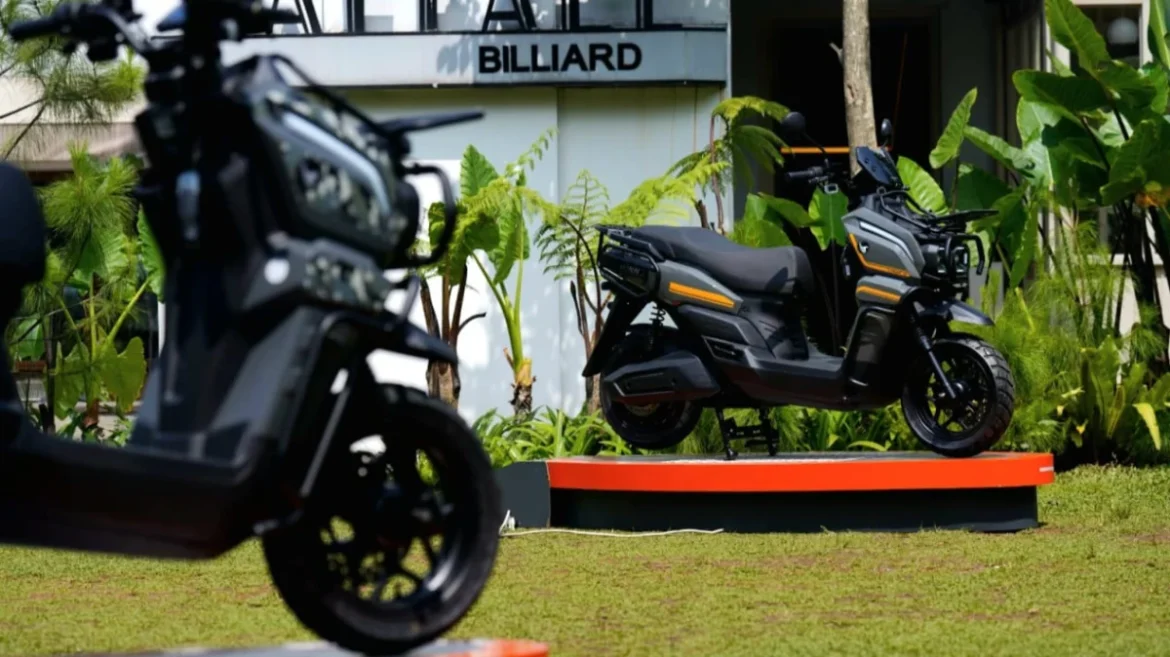
This philosophy was recently underscored when the Indomobil eMotor Sprinto garnered recognition at the 2026 Green Economy Awards. The vehicle’s development reflects the practical application of localization policies, being assembled domestically at the PT National Assemblers facility located in Cakung, East Jakarta. Crucially, the model achieved a 50 percent TKDN certification, demonstrating a tangible commitment to national industrial integration.
Furthermore, to address the critical need for after-sales support and consumer accessibility, Indomobil eMotor has established a vast operational footprint comprising 155 official dealerships distributed across various regions of Indonesia. This expansive network is specifically designed to guarantee seamless access to scheduled maintenance, genuine spare parts, and comprehensive warranty services.
Implications and Future Outlook for the Indonesian EV Landscape
The trajectory of Indonesia’s electric motorcycle industry over the coming decade will largely be determined by how effectively public and private sector stakeholders collaborate to overcome structural impediments. The transition from internal combustion engines to electric mobility represents a profound paradigm shift that impacts energy security, industrial policy, urban planning, and environmental sustainability.
From an economic perspective, the growth of the domestic EV manufacturing sector holds the potential to generate high-skilled employment, stimulate regional economic activity, and attract foreign direct investment into advanced manufacturing and green technologies. However, realization of these benefits hinges on consistent regulatory support, continued investment in charging infrastructure, and proactive measures to make financing more accessible for both individual consumers and commercial fleet operators.
As manufacturers continue to refine their product offerings, future market trends are expected to focus heavily on battery innovation, faster charging capabilities, and enhanced digital connectivity features. The ability of local brands to compete not only on price, but on build quality, reliability, and comprehensive ecosystem support, will determine their staying power in an increasingly competitive marketplace.
Ultimately, the maturation of Indonesia’s domestic electric motorcycle industry will be measured by its ability to instill absolute confidence in the consumer base. By addressing infrastructural gaps, enhancing local supply chain resilience, and ensuring transparent, customer-centric after-sales care, industry pioneers are laying the groundwork for a cleaner, more sustainable future of transportation across the archipelago.
