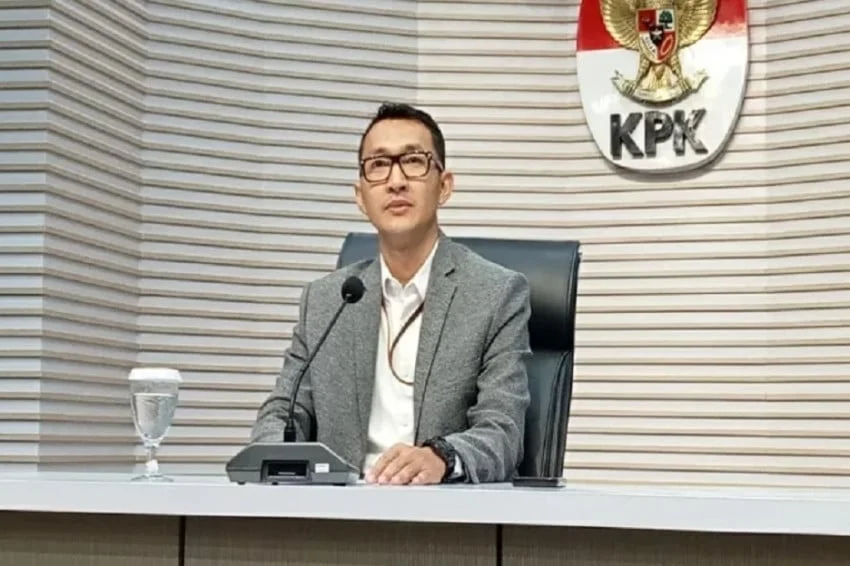
The Corruption Eradication Commission (KPK) has significantly escalated its investigation into the alleged misappropriation of "Ready-to-Use" funds (Dana Siap Pakai) managed by the National Disaster Management Agency (BNPB). On Friday, October 30, 2026, investigators conducted a high-profile questioning session involving Nera Susanto, a private entrepreneur and the sister of the former Head of BNPB, Suharyanto. This development marks a pivotal shift in the ongoing inquiry, as the anti-graft agency moves to scrutinize potential familial links and direct procurement irregularities that have plagued the agency’s financial management during critical disaster response phases.
Investigating Procurement Irregularities and Kickback Schemes
The core of the KPK’s investigation centers on the mechanisms through which procurement contracts were awarded at the BNPB. According to official statements from KPK spokesperson Budi Prasetyo, the examination of Nera Susanto was specifically designed to uncover the operational details of projects she managed within the agency. The primary focus lies on the prevalence of "direct appointment" (penunjukan langsung) procurement methods, which are often cited by auditors and anti-corruption watchdogs as high-risk areas for rent-seeking behavior and cronyism.
Beyond the procedural anomalies in project awarding, the KPK is aggressively pursuing evidence of "kickbacks." These illicit financial incentives, allegedly funneled from project budgets back to influential figures within the BNPB, represent a severe breach of public trust, particularly given that the funds were intended for disaster relief—a sector where every rupiah is vital for public safety and recovery efforts.
Chronology of the Investigative Momentum
The investigation into BNPB has been gaining momentum throughout the latter half of 2026. The summoning of Nera Susanto did not occur in isolation; it was part of a coordinated effort involving five other witnesses, reflecting a broader dragnet cast by the KPK to map out the network of beneficiaries. The witnesses included:
- Eka Andriyanto, Director of PT Integra Teknika Solusindo.
- Tari Oktavia, Finance Staff representing Richard Erlangga, PT Erlangga Jala Persada, and PT TLS.
- Vanessa Annisa Utami, a private sector employee.
- Monica Utari Mariana, a member of the Media and Family Affairs team for the former BNPB Head.
- Nursadriani, a private sector employee.
This diverse group of witnesses—ranging from corporate executives to family-affiliated support staff—indicates that the KPK is conducting a comprehensive audit of the financial ecosystem surrounding the former BNPB leadership. By pulling in both corporate partners and internal family-linked staff, the commission aims to trace the flow of funds from the procurement stage through to final disbursement.
Understanding the Context of "Ready-to-Use" Funds
To grasp the severity of these allegations, one must understand the nature of BNPB’s "Ready-to-Use" funds. These resources are allocated specifically for emergency situations where rapid response is required to save lives and mitigate the impact of disasters. Because of the nature of emergencies, regulations often allow for expedited procurement processes to bypass the standard, lengthy bureaucratic bidding cycles.
However, historically, this "fast-track" provision has been exploited. When internal controls are weak, the flexibility intended for humanitarian aid becomes a loophole for corruption. By bypassing competitive bidding, officials can direct contracts to preferred vendors, often at inflated costs or for substandard services, creating a surplus that is then skimmed off as kickbacks. The KPK’s current focus on these direct appointments suggests they have gathered enough preliminary evidence to believe that such systematic abuse was taking place at the BNPB.
Data-Driven Analysis of Procurement Risks
In the context of Indonesian public finance, disaster management remains one of the most sensitive areas for corruption. Data from the Indonesia Corruption Watch (ICW) frequently highlights that public procurement remains the most common channel for graft. When projects are handled through direct appointment, the lack of transparency inherently limits public oversight.
For the BNPB, the scale of potential misappropriation is significant. If the investigation concludes that a substantial percentage of the disaster relief budget was diverted, it would represent a major failure of the internal audit systems meant to govern the agency. The involvement of corporate entities like PT Integra Teknika Solusindo and PT Erlangga Jala Persada points to a potential "vendor-official" nexus, where private firms act as conduits for the siphoning of public money.
Official Responses and Institutional Integrity
The KPK has maintained a guarded but firm stance regarding the investigation. Budi Prasetyo, speaking on behalf of the commission, emphasized that the investigation is currently in the stage of deepening witness testimony. "We are focusing on the projects worked on by the witnesses, specifically examining the direct appointment mechanisms and any subsequent financial transfers that may constitute kickbacks," Prasetyo stated on October 31, 2026.
While the former Head of BNPB, Suharyanto, has not yet been formally charged or publicly interrogated in the same capacity as his sister, the scrutiny of his family member and his inner circle of staff suggests that the net is closing. In administrative law and anti-corruption enforcement, such moves are often precursors to higher-level indictments. The agency is under immense pressure to deliver results, as the public demand for accountability in the wake of recent natural disasters has reached an all-time high.
Broader Implications for National Disaster Management
The implications of this investigation extend far beyond the legal outcome for the individuals involved. First, there is the issue of administrative reform. The KPK’s findings will likely necessitate a total overhaul of how BNPB manages its emergency procurement. If corruption is found to be systemic, the government may be forced to implement stricter, digitized, and more transparent procurement platforms that remove human discretion from the selection of vendors, even in emergency scenarios.
Second, the case serves as a warning to other state agencies. The KPK is signaling that no agency is exempt from scrutiny, regardless of how critical or "urgent" their mission may be. The use of disaster funds for personal enrichment is viewed by the judiciary as an aggravating circumstance, which could lead to significantly harsher sentencing should the allegations be proven in court.
Finally, the investigation poses a challenge to the reputation of the BNPB. As a frontline institution for the nation’s resilience, the agency relies on public trust to function effectively. A high-profile corruption scandal involving the inner circle of its former leadership threatens to undermine that trust, potentially hindering future coordination between the government, international aid donors, and the general public during times of crisis.
Future Outlook and Legal Proceedings
As the investigation progresses into November 2026, legal observers expect the KPK to begin analyzing the financial records of the companies involved. Forensic accounting will play a critical role in corroborating the testimony provided by Nera Susanto and the other five witnesses. If the KPK finds a direct correlation between the contracts awarded and subsequent payments made to bank accounts associated with the suspects or their associates, the likelihood of formal charges will increase exponentially.
Furthermore, the legal team for the suspects will likely focus on the legitimacy of the emergency procurement status. They may argue that the actions taken were consistent with the urgent nature of disaster relief. However, the KPK’s reliance on evidence regarding "kickbacks" suggests that they are not merely challenging the process, but the underlying criminal intent.
The public and the media remain in a state of anticipation. With the investigation now moving beyond the peripheral players and into the core of the agency’s procurement networks, the next few months will be crucial. Whether this case leads to a landmark conviction or serves as a starting point for wider structural reforms in Indonesia’s disaster management sector remains to be seen. For now, the KPK’s message is clear: the misuse of funds intended for the vulnerable will be met with the full force of the law, regardless of the status or influence of those involved. The integrity of the state’s emergency response infrastructure depends on the transparency of its procurement, and the commission appears determined to restore that integrity through rigorous, evidence-based investigation.