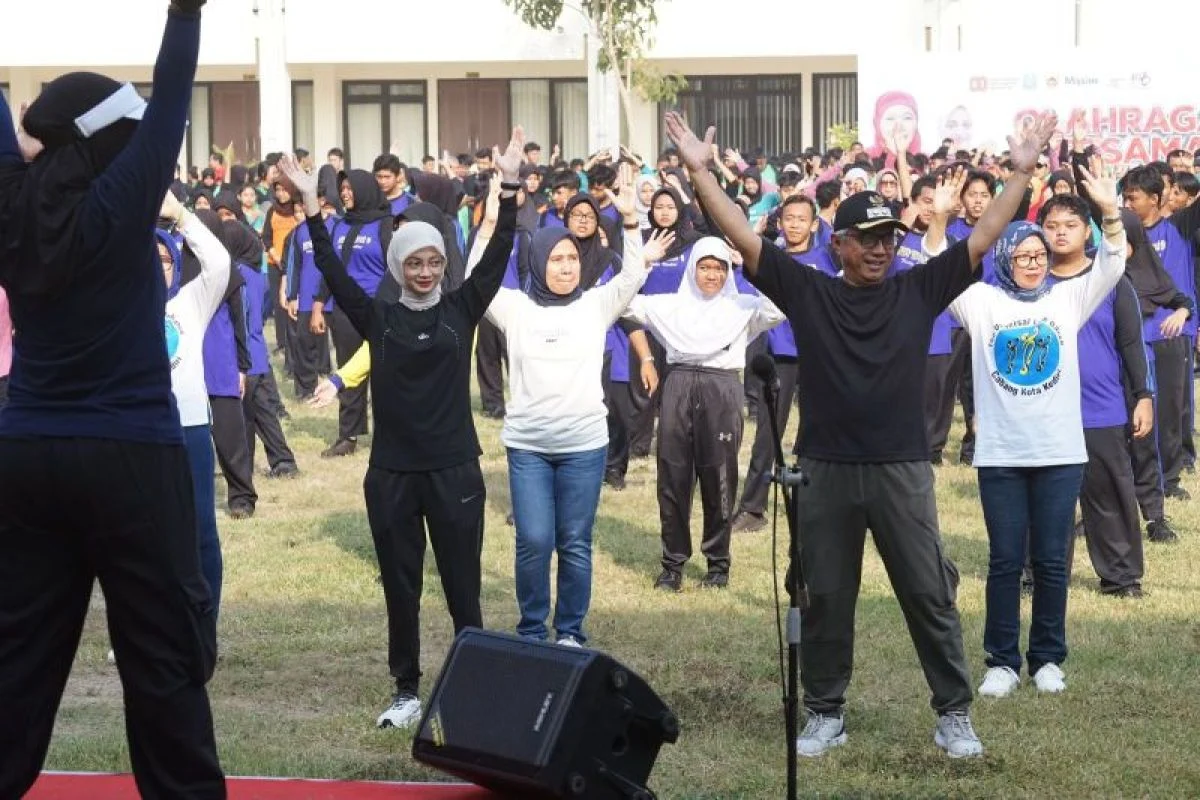
Jakarta (ANTARA) – National Sports Day, widely commemorated across the Indonesian archipelago every 9 September, stands as a testament to the nation’s enduring resilience, athletic evolution, and cultural integration of physical fitness. Officially recognized as Hari Olahraga Nasional (Haornas), this annual observance traces its profound roots back to the turbulent post-independence era, specifically to the staging of the inaugural National Sports Games (Pekan Olahraga Nasional or PON) in Solo, Central Java, in 1948. Over the decades, Haornas has transformed from a commemoration of diplomatic defiance through sports into a comprehensive national campaign aimed at fostering public health, driving the sports economy, and cementing physical activity as an indispensable pillar of the Indonesian identity.
The Historical Genesis: Defiance and Diplomacy at the 1948 Solo PON
To fully understand the significance of National Sports Day, one must examine the geopolitical and administrative constraints faced by the newly proclaimed Republic of Indonesia in the late 1940s. Having declared independence on 17 August 1945, the young republic was still locked in a fierce diplomatic and physical struggle to secure international recognition of its sovereignty. Amid these overwhelming odds, Indonesian sports leaders harbored fierce ambitions to project the nation onto the global stage, specifically by participating in the XIV Olympic Games held in London in 1948.
However, the international landscape posed formidable barriers. The International Olympic Committee (IOC) and international sports federations did not yet formally recognize the newly formed Indonesian Olympic Committee (KOMITE OLAHRAGA NASIONAL INDONESIA / Persatuan Olahraga Republik Indonesia precursors), and the Indonesian passport was not universally accepted by foreign governments, including Great Britain. Denied direct entry to the London Olympics due to these administrative blockages and colonial-era diplomatic maneuvers, Indonesian nationalist leaders and sports pioneers refused to be sidelined.
Under the stewardship of figures like Sri Sultan Hamengku Buwono IX and various domestic sports associations, Indonesia made a bold counter-move: if its athletes could not travel to the world stage, the world stage would be brought to Indonesia. This strategic vision materialized as the first-ever Pekan Olahraga Nasional (PON I), held from 9 to 12 September 1948 in Solo, Central Java. Utilizing the historic Sriwedari Stadium, the games brought together athletes from across Java and various regions despite severe economic shortages, logistical nightmares, and military blockades imposed by colonial forces. The opening day of this historic event—9 September 1948—forever altered the trajectory of Indonesian athletics, laying the philosophical and chronological foundation for what would later become National Sports Day.
Institutionalization and the 1983 Presidential Decree
While the spirit of PON I immediately captured the imagination of the public, the formalization of 9 September as a dedicated national commemoration took nearly four decades to materialize. The transition from a historical milestone to an institutionalized national holiday occurred on 9 September 1983.
During a major national ceremony, then-President Soeharto officially proclaimed Hari Olahraga Nasional while inaugurating the extensive restoration and modernization of the legendary Sriwedari Stadium in Surakarta. This proclamation served a dual purpose: it honored the historical sacrifices of the 1948 generation and catalyzed a renewed government focus on mass sports participation and elite athlete development.
The mandate was further strengthened through legal frameworks. On 15 November 1985, the government enacted Presidential Decree (Keputusan Presiden or Keppres) Number 67 of 1985 concerning National Sports Day. This legal instrument officially designated 9 September as Haornas, mandating state institutions, educational facilities, and civic organizations to promote physical education, foster sports infrastructure, and encourage a healthy lifestyle among the citizenry. Since its formal inception, Haornas has evolved into an annual rallying point for reviewing national sports achievements and addressing systemic challenges within the domestic sports ecosystem.
Chronology of Key Milestones in Indonesian Sports History
To trace the lineage of National Sports Day and the broader progression of Indonesian athletics, several critical dates and milestones define the timeline:
- 17 August 1945: Indonesia declares independence, setting the stage for the creation of independent national institutions, including sports federations.
- 1948: Indonesian athletes face administrative and political exclusion from the XIV Olympic Games in London, prompting the conception of a domestic multi-sport event.
- 9–12 September 1948: The inaugural Pekan Olahraga Nasional (PON I) is successfully staged in Solo, Central Java, utilizing the Sriwedari Stadium as a symbol of national unity and sovereignty.
- 9 September 1983: President Soeharto officially proclaims National Sports Day (Haornas) during the rededication of Sriwedari Stadium, institutionalizing the legacy of PON I.
- 1985: Presidential Decree Number 67 of 1985 is enacted, providing the formal legal basis for the annual nationwide observance of Haornas every 9 September.
- Modern Era (2025–2026): Haornas transitions into an integrated platform encompassing elite sports achievements, sport tourism initiatives, infrastructure development, and the burgeoning sports economy.
The Socio-Economic Implications of Modern Sports Development
In contemporary times, the Ministry of Youth and Sports (Kemenpora) has continually redefined the scope of Haornas, steering it beyond historical remembrance toward a forward-looking economic and public health strategy. Modern sporting frameworks in Indonesia increasingly recognize that athletics is no longer confined to the acquisition of medals or the glory of podium finishes; rather, it is a multi-dimensional sector that drives economic growth, fosters national discipline, and enhances public health metrics.
Recent policy statements from government officials emphasize that the development of sports infrastructure—such as proposed national training academies, regional sports centers, and specialized facilities like the projected Sumba Timur sport tourism hub or the Ancol coastal sports events—yields significant multiplier effects. Investments in sports facilities stimulate local economies, generate employment in hospitality and event management, and promote regional development through sport tourism.
Furthermore, public health analyses underscore the critical need for a cultural shift toward daily physical activity. In an era marked by sedentary lifestyles and rising non-communicable diseases, campaigns associated with Haornas serve as vital public health interventions. Encouraging families, schools, and corporate entities to integrate regular exercise into their routines helps reduce long-term healthcare burdens while building a resilient, energetic workforce.
Official Perspectives and Strategic Objectives
As Indonesia observes the 43rd anniversary of the formalization of Haornas in 2026, government leadership continues to stress the alignment of grassroots sports participation with elite international competitiveness. Kemenpora guidelines emphasize that National Sports Day is an embodiment of the national character—a reminder that the tenacity displayed by the 1948 athletes in Solo must mirror modern efforts to overcome financial, infrastructural, and administrative hurdles in sports training.
Recent budget allocations and strategic proposals, including multi-trillion-rupiah initiatives for comprehensive training academies and youth talent identification programs, reflect a maturing sports governance model. Policymakers recognize that sustainable success in international arenas—such as the Olympics, Asian Games, and SEA Games—requires systematic, science-based athlete development starting from early childhood education.
Conclusion: Building a Legacy of Health and Achievement
Hari Olahraga Nasional remains far more than a mere entry on the national calendar. It is a living bridge connecting the defiant spirit of Indonesia’s post-independence pioneers with the modern aspirations of a globally competitive nation. By honoring the legacy of the 1948 Solo PON, contemporary Indonesians are reminded that physical vitality, national unity, and collective discipline are foundational to the nation’s progress. As communities across the archipelago engage in athletic events, support national athletes, and embrace active lifestyles every 9 September, Haornas continues to propel Indonesia toward a healthier, more vibrant, and globally respected future.