
The Anatomy of an Infamous Crime
The case of Lizzie Borden remains a cornerstone of American folklore, primarily because the legal system failed to secure a conviction despite the overwhelming circumstantial evidence. On a sweltering summer morning in 1892, Andrew Jackson Borden and his wife, Abby Durfee Gray, were found brutally murdered within their home. The cause of death for both victims was identified as severe cranial trauma inflicted by a sharp, heavy instrument—widely believed to be a hatchet.
The investigation that followed remains one of the most scrutinized police inquiries of the 19th century. The prosecution argued that Lizzie, a 32-year-old spinster with a strained relationship with her stepmother and a growing resentment toward her father’s parsimonious lifestyle, had orchestrated the killings to secure her inheritance. The defense, however, painted a picture of a pious, church-going woman incapable of such visceral violence. Despite the public outcry and the grisly nature of the crime, the jury delivered a verdict of "not guilty" after just over an hour of deliberation, cementing the case as an eternal "whodunit."
A Fragile Household: The Borden Family Dynamic
To understand the gravity of the events depicted in the new season, one must examine the toxic environment of the Borden household. Born in July 1860, Lizzie was the youngest of three daughters. Her upbringing was marked by early loss; her mother, Sarah Anthony Morse, passed away when Lizzie was only three years old. The subsequent marriage of her father, Andrew, to Abby Durfee Gray in 1866 created a deep, festering rift within the family.
Andrew Borden was a self-made man, a titan of local industry whose wealth was matched only by his legendary frugality. While he possessed significant real estate holdings and liquid assets, he lived with a level of austerity that bordered on the ascetic. Lizzie and her sister, Emma, viewed their stepmother, Abby, with deep suspicion. Lizzie, in particular, refused to address her as "Mother," opting instead for the cold formality of "Mrs. Borden."
Tensions reached a breaking point as Lizzie began to perceive her father’s financial support for his wife’s relatives as a direct threat to her own future. Historical records indicate that the Borden family was plagued by internal friction, theft allegations, and a pervasive sense of social isolation. This domestic pressure cooker serves as the thematic backbone of the Netflix series, which explores how a woman of status in a Victorian society could be pushed to the brink of sociopathy.
Chronology of the August 4th Tragedy
The series meticulously recreates the timeline of the day of the murders, providing viewers with a bird’s-eye view of the movements that led to the deaths of Andrew and Abby.
- August 3, 1892: John Morse, a maternal uncle of the Borden sisters, arrives in Fall River. His presence adds a layer of complexity to the family dynamic, as he and Andrew engaged in long, private discussions regarding property and assets.
- August 4, 1892 (Morning): The household begins the day with breakfast, attended by Andrew, Abby, John Morse, and the family’s live-in maid, Bridget "Maggie" Sullivan.
- Late Morning: John Morse departs to attend to family business. Shortly thereafter, Andrew Borden leaves the house for his morning appointments.
- The Murder of Abby: While the exact time remains debated, investigators believed Abby was killed in the guest room while she was tidying up. She was struck approximately 18 to 20 times in the head with a hatchet.
- The Return of Andrew: Andrew returned to the home around 10:45 AM. Finding the front door locked, he was admitted by the maid, Bridget Sullivan. It was at this moment that witnesses reported hearing strange, muffled laughter from the floor above—a detail the series highlights as a pivotal moment of psychological tension.
- The Murder of Andrew: Shortly after returning, Andrew settled on the sofa for a nap. He was struck 10 or 11 times with a hatchet, his face unrecognizable from the severity of the blows.
- The Discovery: Near midday, Lizzie raised an alarm, claiming to have found her father’s body. The subsequent discovery of Abby’s remains in the guest room triggered a frantic, yet poorly managed, police investigation.
Historical Context and Legal Implications
The trial of Lizzie Borden, held in 1893, was a media sensation that captivated the entire nation. It was one of the first "trial by press" cases in American history. The defense team, led by former Massachusetts Governor George D. Robinson, successfully argued that there was no forensic evidence—no bloody clothing, no weapon found, and no witnesses—to link Lizzie to the crime.
The social standing of the Borden family played a significant role in the proceedings. The jury, comprised entirely of men, found it difficult to conceive that a woman of Lizzie’s social class and church-going reputation could be capable of such carnage. Modern forensic analysis has often suggested that the lack of blood spatter on Lizzie’s clothing might have been due to the use of a raincoat or the perpetrator being nude, a theory that continues to fuel debate among true-crime historians.
Production and Creative Vision
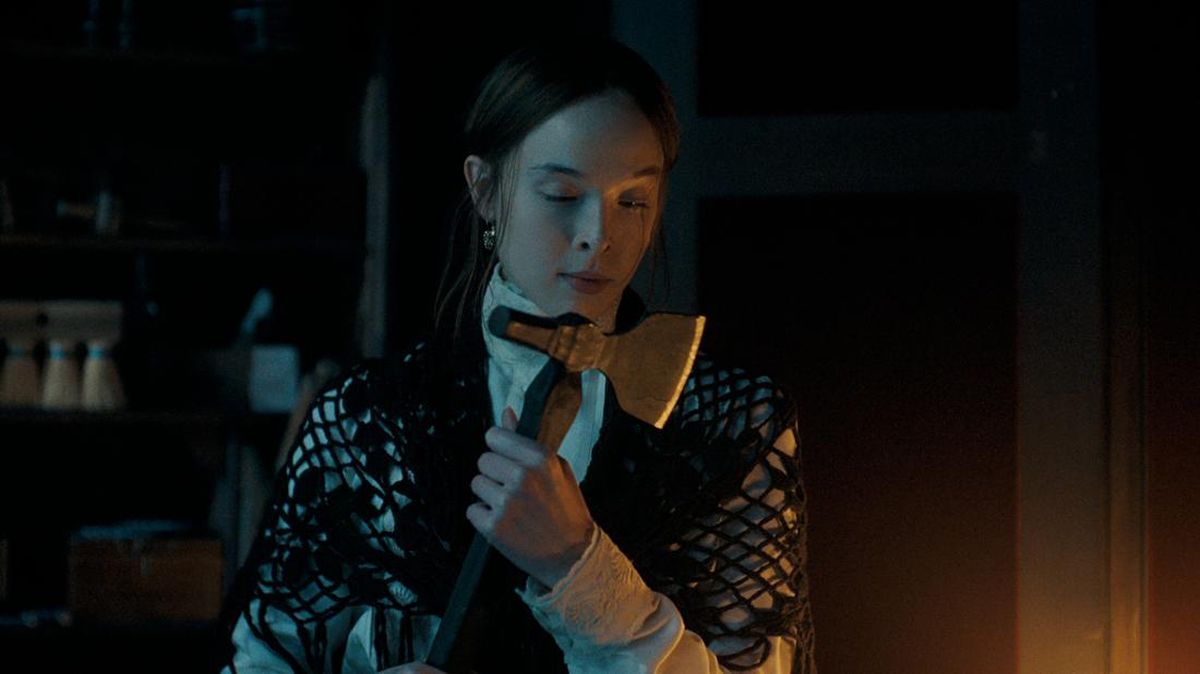
Under the creative stewardship of writer Ian Brennan, Monster: The Lizzie Borden Story moves away from the direct directorial approach of previous seasons. By entrusting the visual language to Max Winkler and Sarah Adina Smith, the production achieves a haunting, period-accurate aesthetic that emphasizes the claustrophobia of the Victorian era.
The casting reflects the weight of the narrative, featuring Vicky Krieps, Charlie Hunnam, Rebecca Hall, Jessica Barden, Joey Pollari, Billie Lourd, and Sarah Paulson. Each performer was tasked with navigating the moral ambiguity of their characters. The series does not explicitly declare Lizzie guilty or innocent; instead, it presents the audience with the evidence as it was understood in 1892, allowing the viewers to draw their own conclusions based on the psychological profile presented on screen.
Broader Impact and Cultural Legacy
The enduring fascination with Lizzie Borden speaks to a deeper cultural obsession with the "monster" hiding in plain sight. In the 130 years since the murders, the story has been retold in countless books, films, and songs. By integrating this case into the Monster anthology, Netflix is positioning the story not merely as a historical curiosity, but as a study in how societal expectations of femininity and domesticity can mask extreme violence.
For historians and criminologists, the series serves as a reminder of the limitations of the legal system in the late 19th century. The mishandling of physical evidence at the Borden crime scene—such as the failure to properly test the hatchet or document blood spatters—is a textbook example of how modern forensic science might have changed the course of American legal history.
As Monster: The Lizzie Borden Story premieres, it invites a new generation to look past the nursery rhyme that has defined the suspect for over a century. It challenges the viewer to look at the daughter, the victim, and the system that failed to provide justice, ensuring that the legacy of Fall River’s most famous resident remains as sharp and unforgiving as the weapon that claimed her parents’ lives. The eight-episode series, rated for mature audiences, represents a high-water mark for historical true-crime television, blending rigorous research with the dramatic flair that has become the hallmark of the Monster brand.