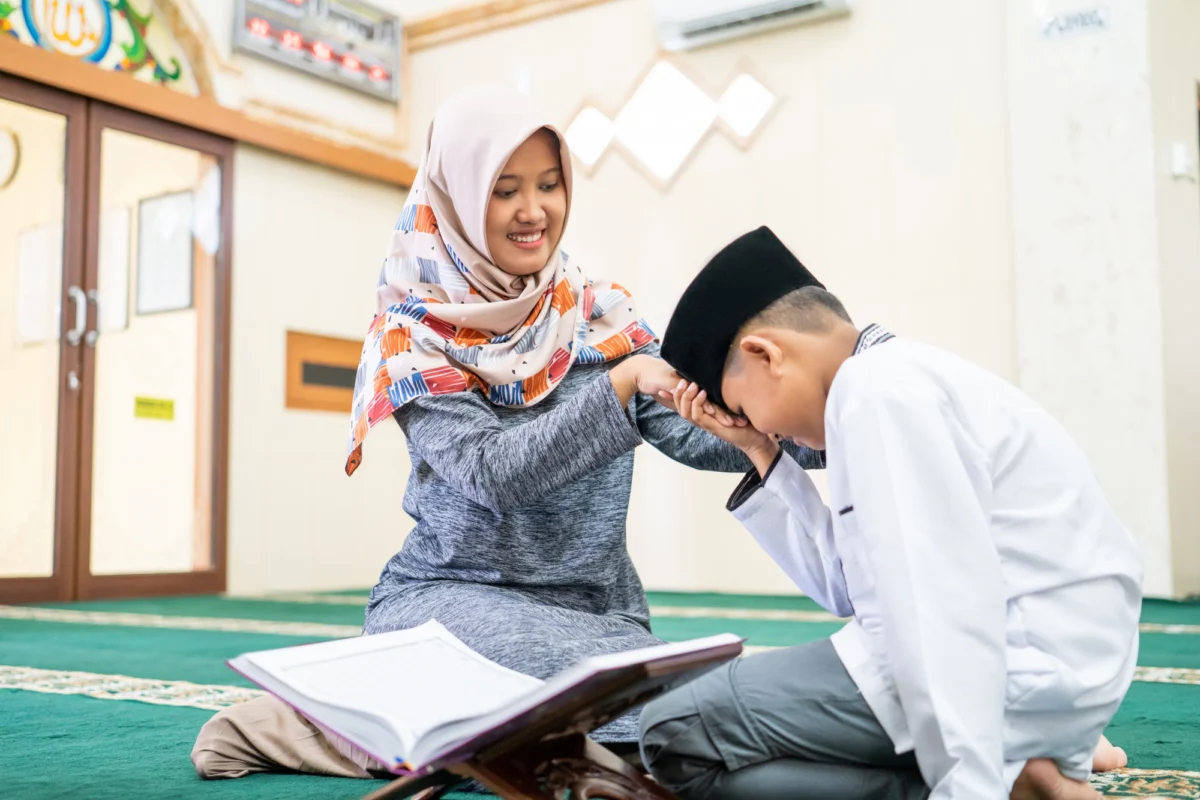
Children are naturally inquisitive, possessing an inherent desire to learn and understand the world around them. As they navigate their formative years, they frequently pose questions to their parents and guardians, seeking to make sense of historical figures, ethical standards, and spiritual concepts. Among the most significant subjects for Muslim families is the life of Prophet Muhammad. Introducing a historical and religious figure of such magnitude requires a pedagogical approach that balances factual accuracy with age-appropriate narrative techniques. Educators and child psychologists suggest that utilizing storytelling—a tradition deeply rooted in Islamic history—is the most effective method for instilling these values in young minds.
The Historical Context: Birth and Early Life
To understand the significance of Prophet Muhammad, one must first look at the historical records provided in classical texts, such as Sirah Nabawiyah by Ibn Hisham. According to these historical accounts, the Prophet was born in Mecca on a Monday, the 12th of Rabi’ al-Awwal, in the Year of the Elephant (roughly 570 CE).
His early life was defined by profound challenges that served to cultivate his resilience and humility. Born as an orphan after his father, Abdullah bin Abdul Muthalib, passed away before his birth, he later lost his mother, Aminah binti Wahab, at a very young age. These early hardships are essential teaching points for children, as they illustrate that personal adversity does not preclude one from achieving greatness. Following the death of his mother, he was placed under the care of his grandfather, Abdul Muthalib, and subsequently his uncle, Abu Thalib. These formative years underscore the importance of community support and the values of kinship and protection.
The Period of Youth and the Testimony of Character
As the Prophet matured, his character was distinguished by a level of industry and integrity that set him apart from his contemporaries. Historical records often highlight his time spent as a shepherd, a profession that requires patience, vigilance, and care—virtues that are highly relatable to children.
A significant narrative often cited by scholars involves Halimah binti Abi Dzuaib, the woman who served as his wet nurse. Historical accounts from the region of Bani Sa’ad describe how, during the period when the young Muhammad tended to the livestock, the conditions of the flocks improved significantly. While some may view these accounts through a spiritual lens, from an educational standpoint, they serve to illustrate the concept of "Barakah" or divine blessing, and the idea that hard work combined with honesty leads to prosperity. This period of his life demonstrates that excellence is not a sudden occurrence but the result of consistent, virtuous labor.

The Concept of ‘Al-Amin’: Integrity in Business
By the age of eight, the Prophet began accompanying his uncle on trade caravans to Syria. This period is crucial for parents and educators to highlight the Prophet’s reputation for honesty and reliability. In the competitive and often cutthroat trade environment of pre-Islamic Mecca, his reputation earned him the title "Al-Amin," meaning "The Trustworthy."
This title was not merely a social honor; it was a professional credential. His reputation for transparency was so well-established that Khadijah, a prominent and wealthy merchant, entrusted him with her trade assets for a expedition to the Levant. The successful outcome of this venture, based on his fair dealings and meticulous management, provides a practical example for children regarding the value of ethical business practices. In an era where digital information is abundant but trust is often scarce, these historical lessons on integrity remain highly relevant.
Crisis Management and Conflict Resolution
As the Prophet reached his mid-thirties, his role as a community mediator became evident. A primary case study for this is the restoration of the Kaaba in 605 CE. Following structural damage caused by environmental factors, the various tribes of Mecca disagreed on which group should have the honor of placing the Hajar Aswad (the Black Stone) into the wall of the Kaaba.
The dispute escalated to a point where physical confrontation seemed inevitable. The resolution, as facilitated by the Prophet, is a masterclass in diplomacy. By placing the stone on a cloak and having representatives from each kabilah (tribe) lift the edges of the cloth simultaneously, he ensured that every group felt included in the honor. This act prevented a bloodbath and cemented his reputation as a wise arbiter. For modern audiences, this event serves as a clear illustration of inclusive leadership—a skill that is increasingly vital in contemporary society.
Pedagogical Implications and Character Education
The efficacy of using the Prophet’s life as a teaching tool lies in its emphasis on "Akhlaq" (moral character). Scholars such as Safiur Rahman Mubarakfuri, in his seminal work Ar-Rahiq al-Makhtum, argue that the Prophet’s character was of such high moral standard that it surpassed ordinary human description.
When parents share these stories, they are not just conveying history; they are engaging in character education. Research in developmental psychology indicates that children who are exposed to narratives involving moral struggle and triumph are more likely to internalize those values themselves. The Quranic verse in Surah Al-Ahzab (33:21) reinforces this, identifying the Prophet as an "excellent pattern" for those who seek the pleasure of God.

Strategies for Parents
To introduce these complex narratives effectively, experts recommend the following strategies:
- Chronological Sequencing: Start with his early life to foster a sense of empathy regarding his status as an orphan.
- Highlighting Relatable Virtues: Focus on specific traits like honesty, patience, and fairness rather than broad, abstract theological concepts initially.
- Active Storytelling: Use interactive methods such as role-playing or asking the child how they might have handled a situation, such as the dispute over the Hajar Aswad.
- Consistency: Frame these stories as a part of daily reflection rather than a one-time lecture.
Broader Societal Impact
The significance of these narratives extends beyond religious instruction. In a pluralistic society, understanding the historical, social, and ethical contributions of major historical figures like Prophet Muhammad fosters greater inter-cultural literacy. By focusing on his roles as a trader, a mediator, and a community leader, parents provide their children with a framework for understanding how ethical behavior functions within a society.
Furthermore, the emphasis on his role as a protector and a source of inspiration for his followers—a theme noted in historical texts—highlights the humanizing aspects of his biography. By presenting him as a man who navigated the same human experiences of loss, work, and social conflict as anyone else, parents make the Prophet’s life an accessible and practical model for navigating the challenges of the 21st century.
Ultimately, the goal of introducing these stories is to cultivate individuals who are not only knowledgeable about their history but are also equipped with the moral compass required to contribute positively to their own communities. By focusing on the consistent, verifiable virtues of his life—his honesty, his commitment to justice, and his ability to mediate conflict—parents can ensure that the legacy of the Prophet remains a living, breathing influence on the character of the next generation.