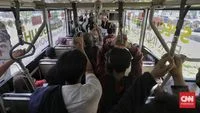
PT Transportasi Jakarta, commonly known as TransJakarta, has announced comprehensive route adjustments for two of its major services—Route 1 (Blok M-Kota) and the 51ST Shuttle (Hari Bebas Kendaraan Bermotor Ancol)—scheduled for Sunday, September 13. This strategic operational shift is a direct response to extensive traffic engineering and road closures implemented around the Gelora Bung Karno (GBK) sports complex in Senayan, Central Jakarta. The temporary changes are necessitated by a high-profile 10-kilometer running event slated to take over key thoroughfares surrounding the iconic stadium.
The sporting competition is officially scheduled to commence during the early morning hours, running from 05:00 AM to 09:30 AM Western Indonesia Time (WIB). Event organizers have established the Plaza Parkir Timur GBK as the central hub for the race, serving as both the starting and finishing line for thousands of participating runners. Because this venue sits directly adjacent to major urban arterial roads such as Jalan Jenderal Sudirman and Jalan Jenderal Gatot Subroto, municipal traffic authorities and law enforcement agencies have mandated strict vehicular restrictions to ensure runner safety and crowd control.
Chronology of Traffic Engineering and Operational Adjustments
The implementation of traffic management policies around the Senayan area will trigger cascading effects on public transportation networks across the capital. TransJakarta, as the backbone of Jakarta’s integrated mass rapid transit system, has proactively mapped out a temporary network reconfiguration to maintain connectivity while avoiding congested zones.
According to the official schedule released by the public transit operator, the operational adjustments will be enforced primarily during the peak morning hours when the race is underway.
- 05:00 AM WIB: Traffic engineering takes full effect around the Gelora Bung Karno perimeter. TransJakarta activates its contingency plans for Route 1 and the 51ST Shuttle.
- 05:00 AM to 08:00 AM WIB: The critical three-hour window during which Route 1 and the 51ST Shuttle operate under their heavily modified, alternative corridors.
- 08:00 AM WIB: Gradual normalization phase begins for select corridors, depending on the clearance of runners from the main roadways and official police instructions.
- 09:30 AM WIB: The anticipated conclusion of the 10K event festivities at Plaza Parkir Timur GBK, after which standard traffic flows and regular bus routes are expected to be fully restored.
Detailed Breakdown of Route Modifications
To minimize commuter disruption while complying with security and safety protocols dictated by the running event, TransJakarta has outlined specific detours for the affected services.
Ayu Wardhani, Head of Public Relations and CSR at PT Transportasi Jakarta, emphasized that the adjustments are indispensable for balancing public mobility with large-scale city events. "Operational services will be adjusted to accommodate the ongoing activities, with the ultimate goal of ensuring the safety, security, and comfort of our passengers amid the enforced traffic engineering," Ayu stated in an official release on Saturday, September 12, referencing reports by Antara.
For Route 1, which traditionally connects Blok M in South Jakarta to Kota in West Jakarta, the hours between 05:00 AM and 08:00 AM WIB will see buses rerouted through Corridor 9 and Corridor 13. During this diversion window, the buses will maintain service at several key transit points, including Tegal Mampang, Rawa Barat, Pasar Santa, Kota Bambu, Pancoran, Petojo, Tarakan, and Tomang Raya. However, to bypass the secured zones surrounding GBK and central business district sectors, the service will temporarily suspend stops spanning from Kebon Sirih down to ASEAN.
Similarly, the 51ST Shuttle HBKB Ancol route will experience targeted modifications. Operating under the same 05:00 AM to 08:00 AM timeframe, the shuttle service will be redirected to accommodate passengers at the IRTI Monas bus stop. Like Route 1, this shuttle service will bypass the stretch of regular stops from Kebon Sirih to Bundaran Senayan while the road closures remain active.
Ayu noted that aside from these two specific corridors, all other TransJakarta regular services, micro-transit feeds (Mikratrans), and integrated routes operating during the city’s car-free hours will function according to their normal schedules.
Broader Context: Balancing Public Events and Urban Mobility
Jakarta has increasingly positioned itself as a hub for international and domestic sporting events, marathons, and public festivals. While these gatherings promote health, community engagement, and tourism, they frequently present logistical challenges for daily commuters and municipal transport planners.
The Gelora Bung Karno complex, in particular, serves as a frequent focal point for mass gatherings due to its central location and robust infrastructure. However, hosting events that spill out onto primary arteries like Jalan Sudirman inevitably disrupts the delicate equilibrium of Jakarta’s traffic ecosystem. TransJakarta’s swift deployment of alternative routing highlights the growing sophistication of the city’s disaster and event management strategies, aiming to prevent systemic gridlock.
Transport analysts note that proactive communication is vital during such events. Sudden road closures without adequate digital updates historically lead to passenger confusion, overcrowded alternative platforms, and delays. By leveraging digital platforms—such as the official mobile application—TransJakarta aims to mitigate these friction points.
Passenger Recommendations and Technological Integration
In light of the impending diversions, TransJakarta management has issued a formal advisory urging all regular commuters to plan their Sunday morning journeys well in advance. Travelers whose regular weekend commutes rely on Route 1 or the 51ST Shuttle are encouraged to explore alternative corridors, such as utilizing the MRT Jakarta line or feeder buses that operate outside the affected perimeter.
To ensure a seamless travel experience, passengers can monitor real-time bus locations, schedule updates, and service alerts through the official TJ: TransJakarta mobile application. Staying informed via digital channels allows commuters to adapt instantly to dynamic changes on the ground as traffic police gradually open and close roads following the progression of the race participants.
As Jakarta continues to host vibrant public events, the cooperation between event organizers, law enforcement, and public transport providers remains critical in keeping the megacity moving smoothly.