The East Jakarta District Court has delivered a significant interlocutory judgment in the high-profile case involving Tifauzia Tyassuma, popularly known as Dokter Tifa, regarding allegations of defamation and the spread of false information concerning the educational credentials of former President Joko Widodo. In a move that has sparked widespread legal and public discourse, the panel of judges accepted the legal exception, or eksepsi, filed by the defendant’s legal team, effectively halting the current trial proceedings. However, the Jakarta Metropolitan Regional Police (Polda Metro Jaya) has responded with a firm stance, asserting that while they respect the court’s preliminary decision, the legal journey for the controversial social media figure is far from over.
The decision was handed down during a session at the East Jakarta District Court, where the presiding judge ruled that the prosecution’s indictment contained procedural or jurisdictional flaws that warranted the acceptance of the defendant’s objection. In Indonesian criminal procedure, an eksepsi is a formal objection raised by the defense at the start of a trial, typically arguing that the court lacks the jurisdiction to hear the case, the indictment is legally flawed, or the case has already expired under the statute of limitations. The acceptance of such an exception in an interlocutory judgment (putusan sela) usually results in the case being dismissed in its current form, though it does not necessarily prevent the prosecution from re-filing a corrected indictment.
Official Response from Polda Metro Jaya
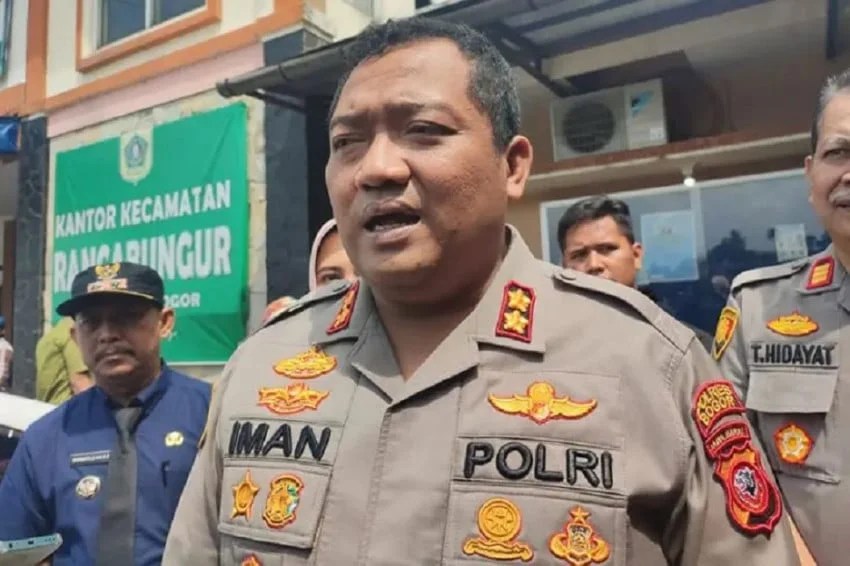
Following the court’s announcement, the Director of General Criminal Investigation at Polda Metro Jaya, Senior Commissioner (Kombes) Iman Imanuddin, addressed the media to clarify the police department’s position. He emphasized that the police, as law enforcement officers, maintain the highest level of respect for the judicial process and the independence of the bench.
"Regarding the interlocutory judgment for Dokter Tifa, as law-abiding citizens and representatives of the law, we certainly respect the decision made by the honorable judges," Kombes Iman Imanuddin stated during a press briefing in Jakarta. "However, it is crucial for the public to understand that this is not the final verdict on the substance of the case. This is not the end of everything. The legal process has various stages, and we are evaluating our next steps in coordination with the public prosecutor."
The Dirreskrimum further explained that the acceptance of an exception often pertains to the formalities of the indictment rather than the evidence gathered during the investigation. He suggested that the investigators and prosecutors remain confident in the merits of the case, which centers on allegations that Dokter Tifa intentionally disseminated misinformation regarding former President Joko Widodo’s undergraduate diploma from Gadjah Mada University (UGM).
Background and Chronology of the Case
The legal saga involving Dokter Tifa began several years ago but reached a tipping point during the latter half of Joko Widodo’s second presidential term. Tifauzia Tyassuma, a medical doctor who gained a significant following on social media platforms like X (formerly Twitter), became a prominent critic of the administration. Her criticisms often veered into the personal, specifically targeting the authenticity of the President’s academic background.
The controversy centers on claims that the diploma held by Joko Widodo from the Faculty of Forestry at UGM was forged or belonged to another individual. Despite numerous clarifications from Gadjah Mada University—including a formal press conference held by the University’s Rector, Ova Emilia, who confirmed the authenticity of the 1985 graduate’s diploma—Dokter Tifa continued to post comparative "analyses" of old photographs, suggesting discrepancies in the President’s appearance and the document’s formatting.
The timeline of the legal escalation is as follows:
- Late 2022 – 2023: Dokter Tifa repeatedly posts content questioning the President’s diploma, often using digital forensic claims that were widely disputed by experts.
- Early 2024: Following several reports from public advocacy groups and individuals who alleged that her posts were causing public unrest and defaming the head of state, Polda Metro Jaya initiated a formal investigation.
- Mid-2024: After examining several witnesses and digital evidence, investigators named Tifauzia Tyassuma a suspect under the Electronic Information and Transactions (ITE) Law and the Criminal Code provisions regarding the spread of false news.
- June 2026: The case file was declared complete (P-21) by the prosecutor’s office, and the trial commenced at the East Jakarta District Court.
- July 2026: The defense filed an eksepsi, arguing that the indictment was "obscure" and failed to meet the formal requirements of the Criminal Procedure Code (KUHAP).
Supporting Data and Legal Analysis
The acceptance of an exception is a procedural victory for the defense, but legal experts note that it is often a temporary hurdle for the prosecution. According to Article 156, Paragraph (1) of the KUHAP, if the judge finds that the court is not competent to try the case or the indictment cannot be accepted, the trial must be stopped.
Historically, in high-profile Indonesian defamation cases, when an indictment is declared "null and void" (batal demi hukum) due to technical errors, the Public Prosecutor (JPU) has two primary options. First, they can file an appeal against the interlocutory judgment to the High Court. Second, they can accept the ruling, fix the technical errors in the indictment, and re-submit the case to the District Court.
Supporting data from previous years shows that the "fake diploma" narrative has been a recurring theme in Indonesian politics. In 2022, a similar lawsuit was filed by Bambang Tri Mulyono, the author of "Jokowi Undercover," who was later sentenced to prison for spreading false information and blasphemy. The consistent verification by UGM and the Ministry of Education has served as the primary evidentiary backbone for the state’s prosecution against those reviving these claims.
Reactions from Related Parties
The court’s decision has resonated across the political and legal landscape. Roy Suryo, a former Minister of Youth and Sports and a digital forensics expert who has also faced legal challenges under the ITE Law, commented on the development. Suryo expressed his view that the legal standards applied in Dokter Tifa’s case should be consistently applied to other similar cases involving freedom of expression and digital content.
"The acceptance of Dokter Tifa’s exception by the East Jakarta District Court is an interesting development," Roy Suryo noted. "It shows that there are still checks and balances within our judicial system regarding how prosecutors draft their charges. This should ideally serve as a precedent for other cases where the indictments are hastily put together or lack legal clarity."
On the other hand, supporters of the former President argue that the case is essential for maintaining the integrity of public discourse. They contend that questioning verified academic credentials without valid proof exceeds the bounds of political criticism and enters the realm of criminal slander, which can destabilize public trust in national institutions.
Broader Impact and Implications
The "Dokter Tifa" case is viewed by many as a litmus test for the application of the ITE Law in the post-Jokowi era. While the former President has transitioned out of office, the legal precedents established during this trial will likely influence how future administrations handle digital dissent and the spread of alleged "hoaxes."
The implications of this case are three-fold:
- Legal Precedent for Indictments: The court’s decision to accept the exception sends a signal to prosecutors to be more meticulous in drafting charges, especially in cases involving the ITE Law, which has often been criticized for its "rubber articles" or vague definitions.
- The Fight Against Misinformation: The government maintains that the prosecution is necessary to deter the spread of baseless conspiracies. If the case eventually proceeds to a full trial on the merits, it will force a judicial examination of the evidence regarding the diploma, potentially putting the conspiracy theory to rest in a court of law.
- Social Media Regulation: The case highlights the ongoing tension between individual influencers and state legal apparatuses. Dokter Tifa’s large following means her legal battle is played out in the court of public opinion as much as in the courtroom.
Conclusion and Next Steps
As it stands, the trial of Tifauzia Tyassuma is currently in a state of suspension. The Public Prosecutor’s Office is expected to announce within the coming week whether they will appeal the interlocutory judgment to the Jakarta High Court or re-file a revised indictment to the East Jakarta District Court.
Polda Metro Jaya has indicated that their investigators remain ready to support the prosecution with any additional evidence or clarification needed to satisfy the court’s requirements. "We have done our job in investigating the facts. The procedural aspects of the trial are now in the hands of the prosecutors, but we stand by the evidence we have gathered," Kombes Iman Imanuddin concluded.
For now, Dokter Tifa remains a suspect, though the immediate threat of a trial has been delayed. The case continues to serve as a focal point for discussions on law, politics, and the boundaries of digital speech in Indonesia, as the nation watches how the judiciary balances the rights of the accused with the state’s interest in prosecuting the dissemination of false information.