
The implementation of a comprehensive dengue vaccination program in Indonesia holds the potential to significantly alleviate the national health burden by drastically reducing symptomatic cases, hospital admissions, and mortality rates. Recent modeling studies conducted by researchers at Gadjah Mada University (UGM) underscore the transformative impact that immunization could have on the country’s long-standing battle against Dengue Hemorrhagic Fever (DHF). As Indonesia continues to grapple with high infection rates and a position as one of the most affected nations globally, these findings provide a data-driven roadmap for public health officials and medical practitioners to enhance existing prevention strategies.
The findings were detailed by Professor Dr. Jarir At Thobari, D.Pharm., Ph.D., a prominent figure from the Department of Pharmacology and Therapy at the Faculty of Medicine, Public Health, and Nursing (FK-KMK) at UGM. Speaking at the Jakarta Dengue Forum—an initiative organized by PT Takeda Innovative Medicines in collaboration with the Jakarta Chapter of the Indonesian Pediatric Society (IDAI)—Professor Jarir highlighted that vaccination is no longer just a secondary option but a critical pillar in the multi-pronged approach to dengue control. The forum served as a platform to bridge the gap between academic research and clinical application, emphasizing that the integration of modern medical technology is essential to meet the government’s ambitious target of "Zero Dengue Deaths by 2030."
The UGM Modeling Study: A 20-Year Projection
The core of the discussion centered on health economic modeling scenarios presented at the 9th Asia Dengue Summit 2026 in Singapore. This study utilized sophisticated mathematical models to project the long-term impact of introducing dengue vaccines into the Indonesian population. According to the data, a sustained vaccination program over a 20-year period is projected to yield a substantial decrease in the clinical manifestations of the disease. Specifically, the modeling suggests that widespread vaccine adoption could prevent millions of symptomatic cases that would otherwise strain the national healthcare infrastructure.
Beyond the raw number of cases, the study focused on a crucial metric in public health: Disability-Adjusted Life Years (DALY). The DALY is a measure of overall disease burden, expressed as the number of years lost due to ill-health, disability, or early death. Professor Jarir’s research indicates that vaccination could reduce Indonesia’s dengue-related burden by approximately 1.1 to 1.3 million DALYs. This figure represents not just a statistical improvement but a profound recovery of human potential and economic productivity, as fewer citizens would be sidelined by the debilitating effects of the virus or the tragedy of premature death.
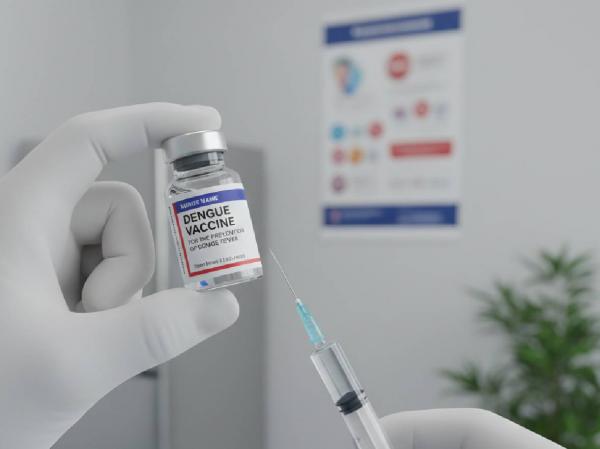
Indonesia’s Position in the Global Dengue Crisis
The urgency of these findings is underscored by Indonesia’s current epidemiological status. Data from various international health monitoring bodies, as well as the Indonesian Ministry of Health, consistently place the archipelago among the top nations for dengue prevalence. Alarmingly, Indonesia has been ranked as having the second-highest number of dengue-related deaths in the world. This high mortality rate is attributed to several factors, including the hyper-endemic nature of the four dengue virus serotypes (DENV-1, -2, -3, and -4) circulating in the country, high population density in urban centers, and the pervasive presence of the Aedes aegypti and Aedes albopictus mosquitoes.
The seasonal nature of dengue, which typically peaks during the transition between the dry and rainy seasons, creates annual crises for Indonesian hospitals. During these periods, pediatric wards and intensive care units often reach full capacity, leading to a "double burden" on the healthcare system which must simultaneously manage chronic diseases and acute infectious outbreaks. The UGM study suggests that by lowering the baseline of symptomatic cases through vaccination, the healthcare system would be better equipped to handle these seasonal surges without compromising the quality of care.
Shifting Paradigms: From Home-Based to Workplace Awareness
While traditional public health campaigns in Indonesia have focused heavily on the domestic environment—encouraging families to clear standing water in their homes—the Jakarta Dengue Forum highlighted a shifting landscape of risk. Experts warned that the risk of dengue transmission is not confined to residential areas. The Aedes aegypti mosquito is primarily a daytime feeder, meaning that individuals are equally, if not more, at risk while at their places of employment, in schools, or in public spaces.
This realization necessitates a broader approach to prevention. The "3M Plus" strategy (Menguras/draining water containers, Menutup/covering water storage, and Mendaur ulang/recycling waste, plus avoiding mosquito bites) remains the foundation of community-based prevention. However, experts at the forum argued that environmental management alone is insufficient in highly urbanized environments where mosquito breeding sites are often inaccessible or overlooked. In this context, vaccination provides a layer of biological protection that travels with the individual, regardless of whether they are at home, in the office, or commuting.
The Economic Impact of Dengue in Indonesia
The economic ramifications of dengue fever in Indonesia are vast, affecting both the macro-economy and individual household stability. At the national level, the cost of treating hundreds of thousands of hospitalized patients annually runs into trillions of Rupiah. This includes direct medical costs such as bed occupancy, laboratory tests, and medications, as well as indirect costs like the loss of labor productivity from both the patients and their caregivers.

For the average Indonesian family, a single case of severe dengue can be financially devastating. Out-of-pocket expenses for specialized care, combined with the loss of income during the recovery period, often push vulnerable families toward the poverty line. By reducing the incidence of hospitalization through vaccination, the UGM study implies a significant "economic vaccine" effect, where the upfront cost of immunization is far outweighed by the long-term savings in healthcare expenditures and the preservation of household income.
Clinical Perspectives and Vaccine Safety
The involvement of the Indonesian Pediatric Society (IDAI) in the forum highlights the clinical community’s support for expanded immunization. Pediatricians are often on the front lines of the dengue battle, as children are particularly susceptible to severe complications such as Dengue Shock Syndrome (DSS). The IDAI has been proactive in updating its immunization schedules to include the latest dengue vaccines, which have undergone rigorous clinical trials to ensure safety and efficacy across various age groups.
Current vaccine technology, such as the tetravalent dengue vaccine developed by Takeda (Qdenga), has shown high efficacy in preventing hospitalizations and severe disease across all four virus serotypes. Crucially, newer generations of the vaccine do not require pre-vaccination blood testing for prior exposure, making them more accessible for mass rollout compared to earlier iterations. This ease of administration is a key factor in the UGM modeling, as it allows for higher coverage rates within the population.
Challenges to Implementation
Despite the promising data, the path to universal dengue vaccination in Indonesia faces several hurdles. The primary challenge is the integration of the vaccine into the National Immunization Program (BIAN/BIAS). Currently, the dengue vaccine is largely available through the private sector, meaning it is most accessible to middle- and upper-income families. To achieve the 1.1 to 1.3 million DALY reduction projected by UGM, the vaccine must reach the broader population, particularly those in high-risk, low-income areas.
Logistical challenges also persist, including the maintenance of a cold-chain supply system across Indonesia’s vast and fragmented geography. Furthermore, public perception and vaccine hesitancy remain factors that health authorities must address through transparent communication and education campaigns. The Jakarta Dengue Forum emphasized that the success of a vaccination program depends not only on the availability of the medicine but on the public’s trust in its safety and necessity.

A Multi-Sectoral Strategy for the Future
The consensus from the Jakarta Dengue Forum is that vaccination should be viewed as a complementary tool rather than a replacement for existing mosquito control measures. The "Integrated Mosquito Management" approach combines environmental sanitation, public education, the use of technology (such as Wolbachia-infected mosquitoes), and immunization.
The UGM study acts as a call to action for the government to accelerate the evaluation of the dengue vaccine for public programs. As Indonesia aims for its "Golden Indonesia 2045" vision, the health of its human capital is paramount. Reducing the shadow of dengue through a robust, science-backed vaccination strategy would represent a major milestone in the nation’s public health history.
In conclusion, the data presented by Professor Jarir At Thobari and the UGM research team provides a compelling argument for the immediate prioritization of dengue vaccination. With the potential to save thousands of lives and prevent millions of cases over the next two decades, the implementation of such a program is a vital investment in the nation’s future. As the Jakarta Dengue Forum concluded, the fight against dengue is a collective responsibility, requiring the synergy of government policy, corporate innovation, and community participation to finally turn the tide against this perennial threat.