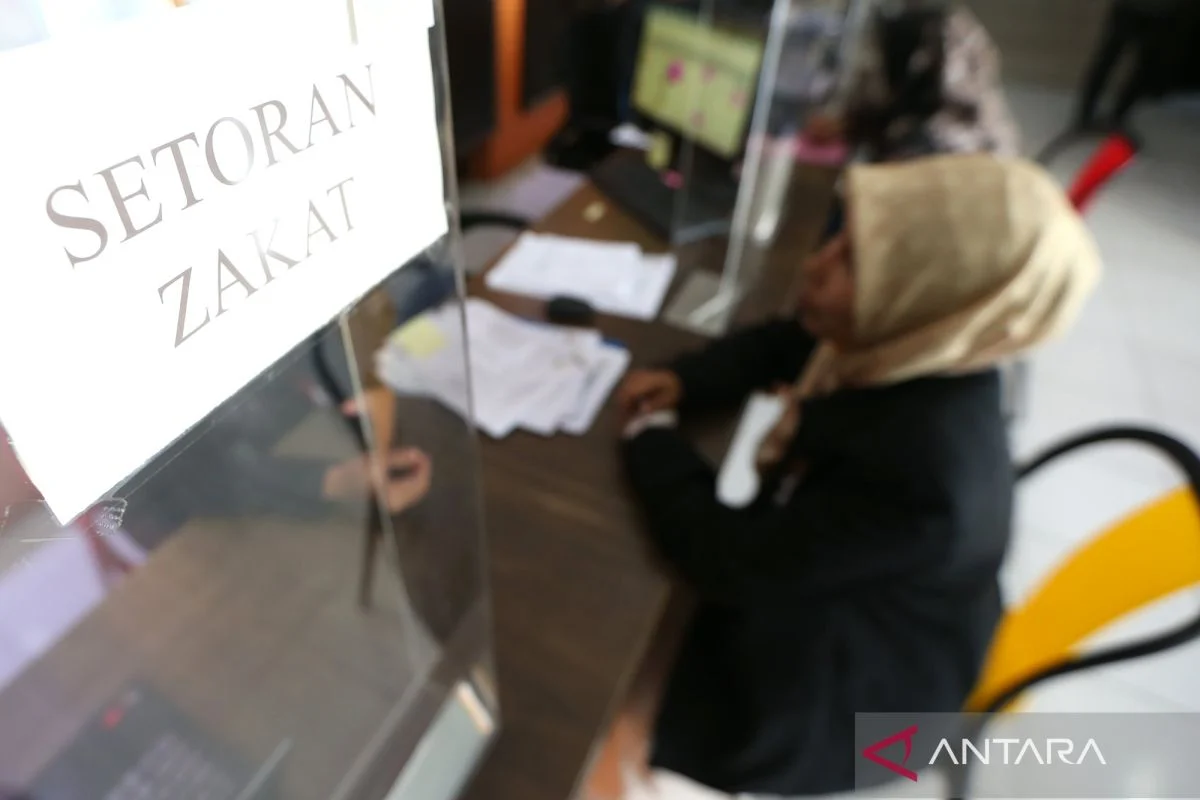
The question of whether a Muslim is permitted to allocate their zakat—the mandatory almsgiving that constitutes one of the five pillars of Islam—to their own parents is a recurring point of inquiry that intersects the realms of religious obligation, family law, and social ethics. In the context of Islamic jurisprudence (fiqh), the consensus among the majority of scholars is that zakat cannot be given to one’s parents, as the financial support of parents is considered an inherent duty of the children. This ruling is grounded in the principle that zakat is intended for specific categories of needy individuals who do not already have a legal claim to the payer’s wealth through direct maintenance obligations.
In Islamic tradition, the relationship between a child and their parents is governed by the concept of Birrul Walidain (filial piety), which mandates that children provide for their parents’ needs if the parents are unable to support themselves. Because a child is already legally and religiously obligated to provide nafkah (maintenance or financial support) to their parents, giving them zakat would essentially mean the child is using a mandatory religious tax to fulfill a personal familial obligation. This would result in a "circular benefit" where the child’s own wealth is preserved because they are using zakat funds—which should go to the wider community—to cover expenses they are already required to pay out of their own pocket.
The Jurisprudential Basis for the Prohibition
The four major schools of Islamic thought—Hanafi, Maliki, Shafi’i, and Hanbali—generally agree that zakat cannot be transferred to "ushul" (ancestors, including parents and grandparents) or "furu" (descendants, including children and grandchildren). The underlying logic is that the wealth of the child and the parent is viewed as interconnected. This is supported by a well-known prophetic tradition (hadith) where the Prophet Muhammad (peace be upon him) told a man, "You and your wealth belong to your father."
Under the Shafi’i school, which is the predominant school of thought in Indonesia, the ruling is clear: any person whom the zakat-payer is obligated to support cannot receive that zakat. If a parent is poor (faqir) or needy (miskin), the child must support them from their personal wealth. If the child is wealthy enough to pay zakat, they are by definition wealthy enough to provide nafkah to their parents. Therefore, the parents do not qualify as mustahik (rightful recipients of zakat) from their own children because their needs should already be met by those children.
The Eight Categories of Zakat Recipients
To understand why parents are typically excluded, one must look at the eight categories of recipients defined in the Qur’an (Surah At-Tawbah, Verse 60). These categories include the poor (al-fuqara), the needy (al-masakin), the zakat administrators (al-amilin), those whose hearts are to be reconciled (al-mu’allafatu qulubuhum), those in bondage (fir-riqab), those in debt (al-gharimin), those striving in the cause of Allah (fi-sabilillah), and the wayfarer (ibn al-sabil).
While parents might physically fit the description of being poor or needy, the legal relationship of "maintenance obligation" overrides their status as recipients from their own children. However, scholars note that if a parent falls into a category that is not related to basic living expenses—specifically the category of "those in debt" (al-gharimin)—some jurists allow a child to give zakat to their parents to help them settle debts that are not related to their daily maintenance. This remains a nuanced area of fiqh that often requires consultation with local religious authorities.
The Economic Context and the Role of BAZNAS in Indonesia
In Indonesia, the management of zakat is overseen by the National Zakat Board (BAZNAS) and various private zakat institutions (LAZ). According to data from the BAZNAS 2023 Outlook, the potential for zakat in Indonesia is estimated to be over IDR 327 trillion (approximately USD 21 billion). However, actual collection remains significantly lower than this potential, partly due to a lack of public understanding regarding the technicalities of zakat distribution.
The recurring question of giving zakat to parents often arises during the holy month of Ramadan, when Muslims prepare to pay Zakat al-Fitr (the zakat of breaking the fast) and Zakat al-Mal (zakat on wealth). Religious educators in Indonesia frequently emphasize that while zakat to parents is disallowed, Sadaqah (voluntary charity) is highly encouraged. In fact, many scholars argue that giving voluntary charity to one’s relatives is more meritorious than giving it to strangers, as it serves two purposes: charity and the strengthening of kinship ties (silaturahmi).
When Zakat to Parents is Strictly Prohibited
The consensus among Indonesian ulama, including those affiliated with the Indonesian Ulema Council (MUI), outlines specific conditions where zakat cannot be given to parents:
- Dependency: If the parents are under the financial care of the child, zakat cannot be used to cover their food, clothing, or housing.
- Wealth of the Child: If the child has reached the nisab (minimum wealth threshold) to be a zakat payer, they are considered financially capable of providing direct assistance to their parents without dipping into zakat funds.
- The Intent to Save Personal Money: If a child gives zakat to a parent to avoid spending their own personal savings on the parent’s care, the zakat is considered invalid, and the obligation to pay zakat remains unfulfilled.
In these instances, the child is directed to provide nafkah—which is a separate legal category from zakat. Nafkah is a debt of honor and law, whereas zakat is a debt to the community and to God.
Nuanced Perspectives and Exceptions in Fiqh
While the majority view is restrictive, some scholars provide exceptions based on the specific "Asnaf" (category) the parent might fall into. For example, if a parent is a "Gharim" (a person burdened by debt due to a business failure or a sudden calamity, not due to daily living costs), some schools of thought allow the child to provide zakat specifically to clear that debt. This is because paying off a debt is a specific category of zakat that is distinct from providing basic maintenance.
Another area of discussion involves the "Sandwich Generation"—adults who are simultaneously supporting their own children and their elderly parents. In modern economic climates where living costs are soaring, some individuals find it difficult to provide full maintenance. However, even in these cases, the prevailing fatwa in Indonesia remains that zakat should be directed outward to the eight specified groups, while the family unit should be supported through Mal (wealth) that has already been purified by zakat.
The Importance of Birrul Walidain
The prohibition of giving zakat to parents is not a restriction on helping them; rather, it is an elevation of their status. By requiring children to use their "clean" wealth (the wealth remaining after zakat is paid) to support their parents, Islam ensures that parents are not treated as "charity cases." Providing for one’s parents is an act of Ibadah (worship) that carries a reward potentially greater than that of voluntary charity given to outsiders.
The concept of Birrul Walidain suggests that a parent’s right to their child’s wealth is foundational. Therefore, giving them zakat—which is often viewed as the "washings of people’s wealth"—is seen as inappropriate for the dignity of a mother or father. Instead, children are encouraged to give Hibah (gifts) or Sadaqah (voluntary alms).
Implications for Zakat Management and Public Education
The clarification of these rules has significant implications for how zakat institutions operate in Indonesia. Organizations like BAZNAS and Dompet Dhuafa frequently hold webinars and produce educational content to explain these boundaries. The goal is to ensure that the "Social Safety Net" provided by zakat is not diluted by people using it for their own immediate family members, which would leave the truly destitute—those without any family support—without resources.
Experts suggest that if a Muslim is unsure about their specific situation—for instance, if they are supporting a step-parent or a distant relative—they should seek a formal consultation. In the case of step-parents or in-laws, the rules are different because there is no direct "blood maintenance" obligation in the same way there is for biological parents, meaning zakat could potentially be permissible in those specific cases.
Conclusion and Strategic Analysis
The intersection of zakat and family support highlights the sophisticated nature of Islamic social welfare. By prohibiting zakat to parents, the Sharia reinforces the strength of the nuclear and extended family unit as the first line of defense against poverty. This ensures that the state or community zakat funds are reserved for those who have no family to turn to.
From a socio-economic perspective, this ruling encourages a more equitable distribution of wealth. If every wealthy individual only gave zakat to their own parents, the wealth would remain concentrated within affluent families. By mandating that parents be supported by personal wealth and zakat be given to the eight categories, Islam facilitates a flow of capital from the wealthy to the most marginalized sectors of society.
As Indonesia continues to modernize its zakat collection through digital platforms and payroll deductions, the need for clear jurisprudential guidance remains paramount. The consensus remains: honor your parents with your best wealth, and fulfill your zakat obligations to the community. This dual approach ensures both familial stability and social justice, fulfilling the spiritual and temporal goals of Islamic finance.