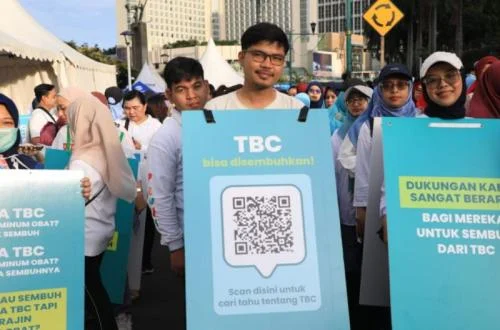
The West Jakarta City Government (Pemkot Jakbar) has significantly intensified its efforts in tuberculosis (TBC) management and control, recording a substantial achievement of serving 42,826 suspected TBC citizens with standard health services by July 20, 2026. This aggressive approach underscores the city’s unwavering commitment to combating a disease that remains a major public health challenge globally and within Indonesia. The progress reflects a concerted drive to meet and exceed detection targets, aligning with the broader vision of TBC elimination across DKI Jakarta by 2030.
The Persistent Threat of Tuberculosis in Indonesia and Globally
Tuberculosis, caused by the bacterium Mycobacterium tuberculosis, is an infectious disease that primarily affects the lungs but can also impact other parts of the body. Globally, TBC remains one of the leading causes of death from a single infectious agent, surpassing HIV/AIDS. According to the World Health Organization (WHO), an estimated 10 million people fall ill with TBC each year, and approximately 1.5 million people die from the disease. Indonesia carries one of the highest burdens of TBC in the world, ranking second globally after India. This high prevalence poses significant challenges to the national healthcare system, impacting productivity, economic development, and overall public health. The Indonesian Ministry of Health has consistently prioritized TBC control programs, aiming to reduce incidence and mortality rates through various national strategies, including the Directly Observed Treatment, Short-course (DOTS) program, and robust case finding initiatives. The national commitment is firmly set on achieving TBC elimination, aligning with global targets, which necessitates strong, localized efforts from regional governments like West Jakarta.
West Jakarta’s Intensified Campaign: A Closer Look at the Numbers
The Head of the West Jakarta Health Sub-agency (Sudinkes), Sahruna, highlighted the remarkable progress achieved in the first five months of 2026, where the scope of TBC case finding and treatment reached 6,056 patients. This figure represents a positive and rapid acceleration compared to the data recorded on April 15, 2026, which had only detected 3,027 cases. This near doubling of detected cases within a span of just over three months signifies the enhanced operational efficiency and broadened reach of the health initiatives. Sahruna emphasized that this realization is a critical component of the effort to chase the ambitious target of detecting a total of 11,955 TBC cases in West Jakarta within the current year. The consistent increase in detected cases, from approximately 1,000 cases per month in the early part of the year to potentially over 1,500 cases per month in the subsequent period, indicates a scaling up of diagnostic and outreach activities. The comprehensive screening of 42,826 suspected individuals by mid-July demonstrates the proactive stance taken by the local health authorities to identify potential cases early, thereby interrupting transmission chains and initiating timely treatment. This robust screening process is fundamental to effective disease control, especially in densely populated urban areas like West Jakarta, where the risk of transmission can be higher.
Dual-Pronged Detection Strategy: Active and Passive Approaches
Sudinkes West Jakarta employs a comprehensive two-pronged strategy for TBC detection: active and passive case finding. This integrated approach ensures that no stone is left unturned in identifying individuals who may be suffering from TBC, whether they are actively seeking medical attention or not.
Active Case Finding: This proactive strategy involves reaching out directly to the community to identify potential TBC cases. Key components include:
- Community Health Screenings: Mobile health units and community health centers (Puskesmas) conduct regular health screenings in high-risk areas, public spaces, and workplaces. These screenings often include basic symptom checks, educational sessions, and referrals for further testing.
- Free Health Check-ups (Cek Kesehatan Gratis – CKG) Programs: The CKG program is a flagship initiative that offers free health services, including TBC screening, to residents. This program is strategically deployed in various neighborhoods, market areas, and community gatherings, making healthcare more accessible and encouraging individuals who might otherwise defer seeking medical help due to cost or inconvenience. The CKG program plays a vital role in demystifying TBC and reducing the stigma associated with testing.
- Role of TBC Cadres: Community health cadres, often volunteers from the local community, are indispensable to the active case finding strategy. These cadres undergo training to recognize TBC symptoms, educate their neighbors about the disease, and encourage suspected individuals to get tested. They act as a crucial link between the community and health facilities, facilitating referrals, providing support, and ensuring follow-up. Their deep understanding of local dynamics and cultural nuances makes them highly effective in engaging hard-to-reach populations. TBC cadres also play a significant role in Directly Observed Treatment (DOT), where they observe patients taking their medication to ensure adherence, a critical factor for successful treatment and preventing drug resistance.
Passive Case Finding: This strategy relies on individuals presenting themselves to health facilities when they experience symptoms suggestive of TBC. While seemingly less proactive, it is equally vital and requires a well-informed public and responsive healthcare system.
- Public Awareness Campaigns: Continuous public health campaigns educate citizens about TBC symptoms (persistent cough, fever, night sweats, weight loss), the importance of early diagnosis, and where to access services.
- Accessible Health Facilities: Ensuring that Puskesmas and other healthcare providers are easily accessible and welcoming to all suspected individuals is crucial.
- Rigorous Diagnostic Procedures: To ensure diagnostic accuracy, every health facility in West Jakarta adheres to strict protocols, including:
- Sputum Examination: Microscopic examination of sputum samples is a primary diagnostic tool. Advanced molecular tests like GeneXpert MTB/RIF are increasingly utilized for rapid detection of Mycobacterium tuberculosis and simultaneous identification of rifampicin resistance, which is critical for managing drug-resistant TBC.
- Radiology (X-ray) as per Medical Indication: Chest X-rays are used to identify abnormalities in the lungs indicative of TBC, especially when sputum tests are negative or in specific clinical presentations.
Sahruna reiterated the commitment, stating, "Case findings are projected to continue increasing in line with early detection efforts in the field. This is our commitment to supporting the target of TBC elimination in DKI Jakarta by 2030." This statement underscores the synergy between intensified local efforts and the broader provincial goal.
The Road to Elimination: DKI Jakarta’s 2030 Vision
The 2030 TBC elimination target for DKI Jakarta is an ambitious yet critical goal, aligning with the national "Indonesia Bebas TBC 2030" movement and the WHO’s End TB Strategy. Achieving this requires sustained effort, significant investment, and robust inter-sectoral collaboration. West Jakarta’s aggressive detection and treatment campaigns are instrumental in moving the capital closer to this vision. Elimination means reducing TBC incidence to less than 10 cases per 100,000 population per year and achieving a TBC mortality rate of less than 1 per 100,000 population. For a densely populated mega-city like Jakarta, this requires not only strong medical interventions but also addressing social determinants of health, such as poverty, malnutrition, and overcrowded living conditions, which are known risk factors for TBC. The DKI Jakarta Health Agency provides strategic guidance, resources, and coordination for all its sub-agencies, ensuring a unified approach across the five municipalities. The success of West Jakarta will serve as a vital blueprint and a source of motivation for other regions within the province.
Comprehensive Care and Preventing Further Spread
Beyond detection, the West Jakarta Health Sub-agency places a strong emphasis on comprehensive patient care and robust preventive measures to curb the spread of TBC. Of the total patients found, 4,438 are confirmed to be receiving treatment according to established quality standards. This is a critical metric, as adherence to the full course of treatment is paramount to successful recovery and preventing the development of drug-resistant strains.
- Treatment Adherence Monitoring: Sudinkes West Jakarta regularly monitors patient adherence to medication regimens. TBC treatment typically involves a combination of antibiotics taken for six months or longer, and non-adherence can lead to treatment failure, relapse, and the emergence of Multi-Drug Resistant TBC (MDR-TB), which is much harder and more expensive to treat. The DOTS strategy, where a healthcare worker or a trained community volunteer observes patients taking their medication, is a cornerstone of this monitoring effort.
- Contact Tracing and Preventive Therapy: As a crucial preventive measure to limit further transmission, Sudinkes Jakbar conducts thorough examinations of close contacts of TBC patients. Healthy contacts, particularly those at high risk (e.g., young children or immunocompromised individuals), are provided with Tuberculosis Preventive Treatment (TPT). TPT involves taking anti-TBC medication for a period, even without active disease, to prevent latent TBC infection from progressing to active disease. This strategy is vital in breaking the chain of transmission within households and communities.
- Public Health Promotion: Health promotion activities are continuously intensified to empower the community with knowledge and best practices. These include:
- Promotion of Clean and Healthy Living Behavior (PHBS): Educating the public on hygiene practices, proper ventilation, and nutrition to build overall resilience against infections.
- Cough Etiquette Education: Teaching individuals how to cover their mouth and nose when coughing or sneezing to prevent the spread of airborne droplets containing TBC bacteria.
- Immunization: Ensuring high coverage of the BCG vaccine, especially for infants, which provides protection against severe forms of childhood TBC.
- Dissemination of Information on Health Service Access: Informing the public about where and how to access TBC diagnostic, treatment, and preventive services, ensuring that those experiencing symptoms do not delay seeking help.
Challenges and Future Outlook
Despite the significant progress, West Jakarta, like other regions, faces ongoing challenges in its TBC elimination efforts. One major hurdle is the increasing prevalence of Multi-Drug Resistant TBC (MDR-TB), which requires longer, more complex, and more expensive treatment regimens. Addressing MDR-TB requires specialized diagnostic capabilities, access to second-line drugs, and robust patient support systems. Social stigma associated with TBC can also deter individuals from seeking early diagnosis and treatment, leading to delayed care and increased transmission. Furthermore, ensuring equitable access to services in informal settlements and among vulnerable populations remains a priority. The impact of the COVID-19 pandemic cannot be understated; it significantly disrupted TBC programs globally, diverting resources, personnel, and attention away from TBC control and leading to a potential increase in missed cases and delayed diagnoses.
Looking ahead, the success of West Jakarta’s TBC program hinges on several factors: continued political commitment, sustainable funding, further integration of TBC services within primary healthcare, leveraging digital health technologies for monitoring and data management, and fostering stronger inter-sectoral collaboration with housing, social welfare, and education sectors. The active engagement of community organizations and civil society will also be paramount in reaching marginalized populations and advocating for patient rights.
Statements from Key Stakeholders (Inferred)
A senior official from the DKI Jakarta Health Agency, speaking on the broader provincial strategy, would likely commend West Jakarta’s initiatives. "The diligent work of West Jakarta in proactively identifying and treating TBC cases is a cornerstone of our provincial strategy to eliminate TBC by 2030," the official might state. "Their robust implementation of active and passive case finding, coupled with comprehensive patient management, sets a high standard for all municipalities in Jakarta. We are committed to providing the necessary support, resources, and policy frameworks to ensure these efforts are sustained and expanded."
A representative from a non-governmental organization specializing in TBC advocacy might add, "The numbers from West Jakarta are encouraging, demonstrating that with focused effort and community involvement, significant strides can be made. However, we must remain vigilant against the stigma surrounding TBC and ensure that services are truly accessible and patient-centered, especially for the most vulnerable. The role of community cadres, in particular, cannot be overemphasized in bridging the gap between health facilities and the people who need care the most."
A local community leader, whose area has benefited from the CKG program, could remark, "These free health checks have brought vital services right to our doorsteps. Many residents, who might not have gone to the Puskesmas on their own, were able to get screened. The TBC cadres from our neighborhood have also been instrumental in educating everyone and encouraging early testing. This collaborative approach makes a real difference in the health of our community."
Conclusion: A Model for Public Health Resilience
The West Jakarta City Government’s intensified efforts in TBC management serve as a compelling example of local governance commitment to public health. By serving over 42,000 suspected individuals and rapidly increasing case detection and treatment, West Jakarta is making substantial progress towards its annual targets and contributing significantly to DKI Jakarta’s ambitious 2030 elimination goal. The strategic blend of active and passive case finding, rigorous diagnostic procedures, comprehensive patient care, and widespread public health promotion demonstrates a holistic approach to disease control. While challenges persist, particularly concerning drug resistance and social stigma, the proactive measures being implemented in West Jakarta provide a hopeful trajectory. This sustained vigilance and integrated strategy not only protect individual health but also strengthen the overall public health resilience of one of Indonesia’s most populous regions, setting a precedent for other urban centers striving to eliminate TBC.