The 2026 FIFA World Cup concluded in a spectacle of high drama, tactical mastery, and raw emotion as Spain secured their second world title with a hard-fought 1-0 victory over Argentina. Held at the MetLife Stadium in East Rutherford, New Jersey, the final was a clash of titans that lived up to its billing, though it was ultimately decided by a single moment of brilliance in extra time. While the match will be remembered for Ferran Torres’ decisive goal and the tactical chess match between Luis de la Fuente and Lionel Scaloni, the post-match scenes provided a stark contrast between the volatility of professional sports and the quiet strength of personal faith.
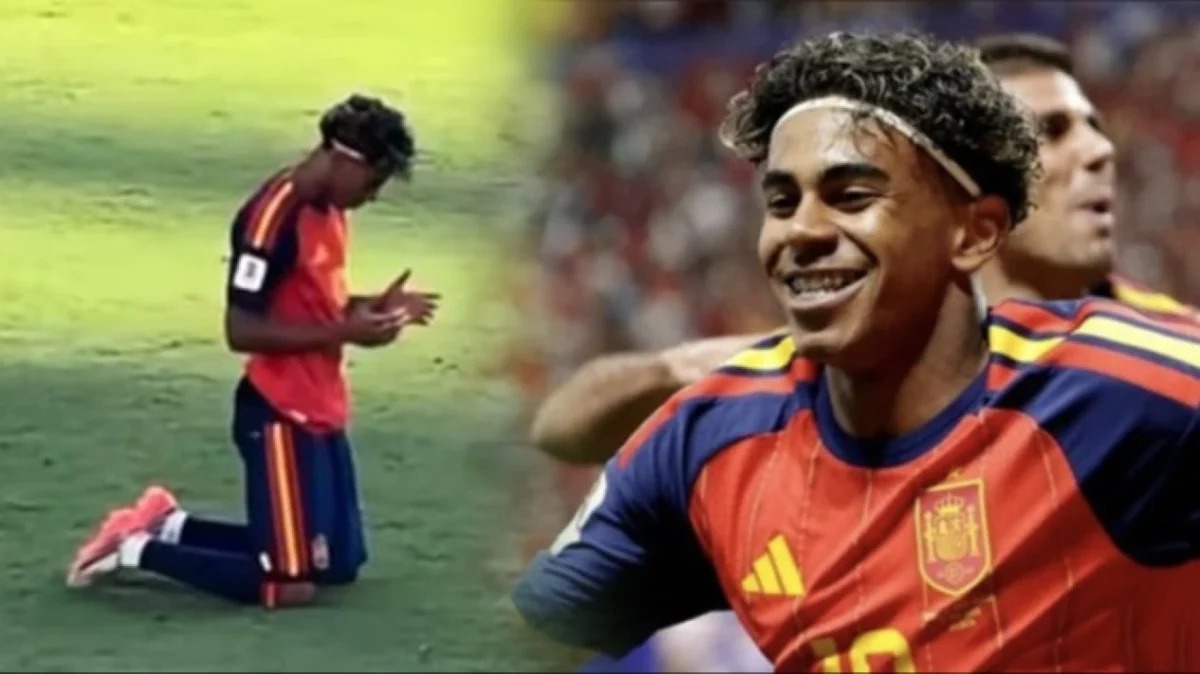
As the final whistle blew, signaling the end of a grueling 120-minute encounter, the atmosphere shifted from competitive intensity to a chaotic mix of jubilation and frustration. For Argentina, the defending champions of the 2022 edition, the loss was a bitter pill to swallow. For Spain, it was the culmination of a generational transition that saw their young stars ascend to the pinnacle of global football. However, the immediate aftermath of the match was marred by a series of physical altercations between the two squads, providing a turbulent backdrop to one of the most poignant images of the tournament: Spain’s teenage sensation Lamine Yamal kneeling in solitary prayer amidst the surrounding bedlam.
The Decisive Moment: Ferran Torres Breaks the Deadlock
The final was characterized by a defensive stalemate that lasted through the regulation 90 minutes. Both sides had chances to clinch the title earlier, with Spain dominating possession and Argentina threatening on the counter-attack. However, as the match moved into extra time, fatigue began to set in, opening up spaces that had been tightly guarded throughout the evening.
The breakthrough finally arrived in the 106th minute. Following a swift transition initiated by Rodri in the midfield, the ball was worked out to the flank before being whipped into the box. Ferran Torres, showing remarkable composure and timing, managed to find a pocket of space between the Argentine central defenders. With a clinical finish, he slotted the ball past the goalkeeper, sending the Spanish contingent in the stands into a frenzy. The goal proved to be the winner, as Spain’s disciplined defensive block held firm against a desperate Argentine onslaught in the final minutes of the second period of extra time.
Post-Match Volatility: Tensions Boil Over at MetLife Stadium
The intensity of the match did not dissipate with the final whistle; instead, it transformed into a series of heated confrontations. The disappointment of losing a World Cup final, combined with the physical nature of the 120-minute battle, led to a breakdown in discipline among several players. The friction began almost immediately after the referee signaled the end of the game.
According to eyewitness accounts and broadcast footage, the primary spark for the unrest involved Argentine defender Nahuel Molina and Spanish midfield anchor Rodri. Reports indicate that Molina approached Rodri, and the interaction quickly escalated from verbal sparring to physical aggression. The situation worsened when Molina reportedly landed a strike to the chest of the Spanish captain, an act that drew players from both benches into the fray.
The chaos further intensified as Leandro Paredes became embroiled in a separate altercation. Paredes, known for his fiery temperament, appeared to lose control following a series of hard challenges during the match. The resulting scuffle saw players from both teams engaging in pushing and shoving, forcing security personnel and coaching staff to intervene to prevent a full-scale brawl. The scenes were a disappointing conclusion to what had been a masterclass in footballing skill, highlighting the immense pressure and emotional stakes of the world’s biggest sporting event.
A Study in Contrast: Lamine Yamal’s Moment of Gratitude
In the midst of the escalating tension, one figure stood out for his remarkable composure. Lamine Yamal, the young forward who has become the face of Spain’s new era, chose not to participate in the altercations. Instead, as his teammates and opponents clashed just meters away, Yamal dropped to his knees on the pitch.
Captured by fans and professional photographers alike, Yamal was seen with his hands raised in a gesture of prayer and his head bowed in a "sujud" (prostration), a traditional Islamic act of worship to express gratitude to God. The contrast was striking: on one side of the frame, elite athletes were gripped by anger and physical confrontation; on the other, a young man was immersed in a quiet moment of spiritual reflection and thanks.
A video of the moment, shared widely on social media platforms including Instagram by the account @footyvibesbhub, went viral within minutes. The caption, "God is the Greatest," resonated with millions of viewers worldwide. Football fans across the globe praised Yamal for his maturity and for prioritizing his faith over the surrounding hostility. For many, his actions served as a reminder of the personal values that ground athletes even at the height of their professional success.
The Cultural and Religious Significance of Yamal’s Prayer
Lamine Yamal’s act of devotion is deeply rooted in his heritage and faith. As a player of Moroccan and Equatoguinean descent, Yamal has often been open about the role Islam plays in his life. In Islamic tradition, the act of "Sujud al-Shukr" (the prostration of gratitude) is performed when a believer receives a blessing or is spared from harm.
The prayer Yamal is believed to have recited or reflected upon is found in the Quran, specifically in Surat An-Naml, verse 19. This verse recounts the prayer of Prophet Sulaiman (Solomon), who asked for the strength to be grateful for the favors bestowed upon him and his parents. The verse reads: "My Lord, enable me to be grateful for Your favor which You have bestowed upon me and upon my parents and to do righteousness of which You approve. And admit me by Your mercy into [the ranks of] Your righteous servants."
This tradition of public gratitude has become increasingly visible in global sports, as athletes from diverse backgrounds use their platform to express their spiritual identity. For Yamal, performing this act in the center of the MetLife Stadium—the epicenter of the sporting world for that night—was a powerful testament to his personal journey and the discipline that has guided his rapid ascent in professional football.
Tournament Context: The 2026 World Cup Legacy
The 2026 World Cup was a historic event in its own right. As the first tournament to feature 48 teams and the first to be hosted across three nations—the United States, Canada, and Mexico—it represented a massive expansion of the FIFA brand. The final in New Jersey was the culmination of a 104-match odyssey that saw the emergence of new footballing powers and the reaffirmation of traditional giants.
Spain’s victory marks a significant milestone. After their period of dominance between 2008 and 2012, the national team underwent a decade of rebuilding. The 2026 title confirms that the "La Roja" philosophy, centered on technical proficiency and youth development, remains a winning formula. For Argentina, the tournament likely marked the end of an era, as the team looks toward a future beyond the legendary figures who led them to glory in Qatar four years prior.
The statistical data from the final reflects the narrow margins of the contest:
- Possession: Spain 58% – 42% Argentina
- Shots on Target: Spain 5 – 3 Argentina
- Total Fouls: 34 (reflecting the physical nature of the game)
- Attendance: 82,500 (Sold out)
Implications and Reactions
The fallout from the post-match scuffles is expected to result in disciplinary actions from FIFA’s ethics and disciplinary committees. Both the Spanish and Argentine football federations may face fines, and individual players like Nahuel Molina could face suspensions for their roles in the altercations.
In contrast, the reaction to Lamine Yamal’s display of faith has been overwhelmingly positive. Sports commentators have noted that his ability to remain focused on his values amidst chaos is a sign of a leader in the making. Former players and religious leaders alike have pointed to Yamal as a role model for young athletes, emphasizing that success on the field is most meaningful when accompanied by humility and character off it.
As the dust settles on the 2026 World Cup, the image of Lamine Yamal in prayer will likely endure as one of the tournament’s most iconic moments. It serves as a narrative bridge between the fierce competition of the sport and the universal human quest for meaning and gratitude. While the trophy goes to Madrid, the story of the final is as much about the spirit of the players as it is about the scoreline. Spain returns home as world champions, but it is the poise of their youngest star that has captured the world’s imagination, proving that even in the most heated moments of professional rivalry, there is room for grace, faith, and peace.