
The 2026 FIFA World Cup is poised to transcend the boundaries of traditional sports entertainment, as the international football governing body officially confirms a historic milestone: the introduction of a halftime show for the tournament’s final match. In an announcement that has sent ripples through both the sporting and music industries, FIFA revealed a comprehensive list of global icons scheduled to perform at the championship’s conclusion. This move represents a significant shift in the tournament’s format, aiming to mirror the cultural impact of major American sporting events like the Super Bowl while maintaining a distinctly international flair. The halftime show, scheduled for the interval of the final match in July 2026, is being developed as a collaborative effort between FIFA and the renowned international advocacy organization Global Citizen, signaling a new era where athletic excellence and global activism converge on the world’s most-watched stage.
The inaugural halftime show is not merely a musical interlude but a curated artistic experience led by one of the most influential figures in modern music. Chris Martin, the frontman of the multi-Grammy-winning band Coldplay, has been appointed as the lead artistic curator for the event. Martin’s role involves not only selecting the performers but also overseeing the overarching thematic elements of the production. Working alongside Global Citizen, Martin is expected to infuse the show with messages of global unity, environmental sustainability, and social equity—themes that have defined his career and the mission of his partners. This partnership marks the culmination of a vision first teased by FIFA in 2024, when the organization initially proposed the idea of a high-octane entertainment segment to bridge the two halves of the World Cup’s final game.
A Global Stage: The Official Artist Lineup
The roster of performers for the 2026 Final reads like a "who’s who" of contemporary music, spanning genres, generations, and continents. FIFA has confirmed that the halftime show will feature a diverse array of talent, ensuring the performance resonates with the tournament’s massive, multi-cultural audience. The confirmed lineup includes:
- Madonna: The "Queen of Pop," whose career has spanned over four decades, is expected to bring a sense of legendary scale to the performance.
- Shakira: A veteran of World Cup stages, having performed at the 2006, 2010, and 2014 tournaments, the Colombian superstar returns to cement her status as the definitive voice of global football celebrations.
- BTS: Representing the global phenomenon of K-pop, the South Korean group will bring their high-energy choreography and massive international fan base to the pitch.
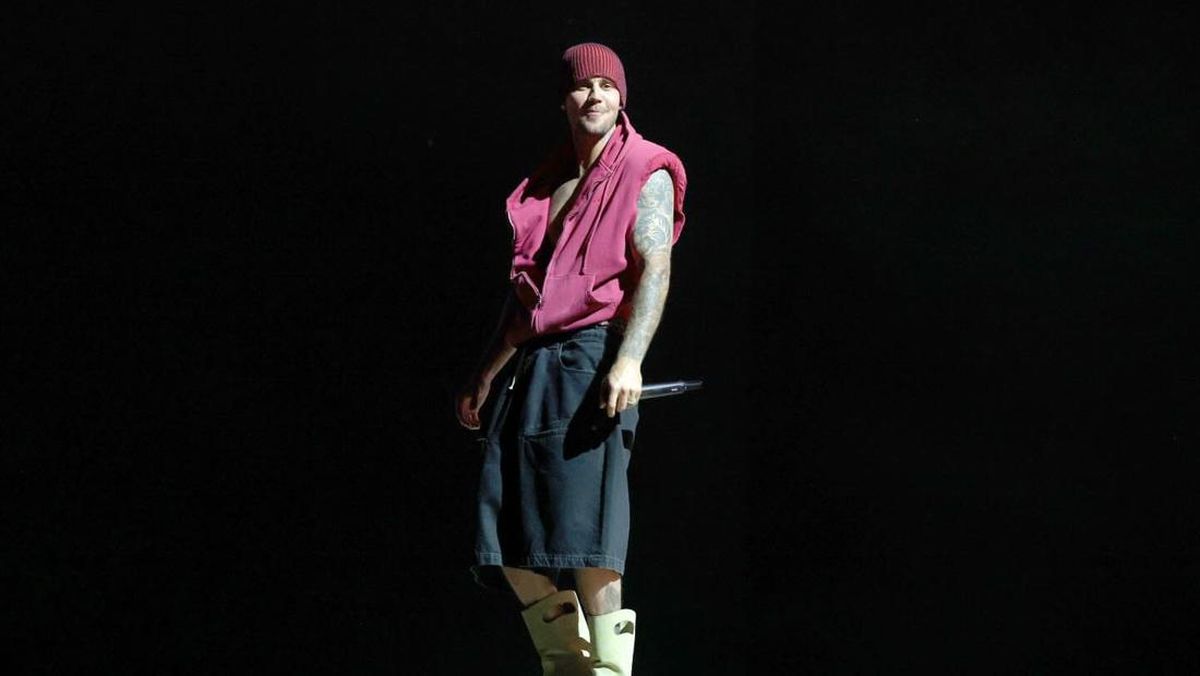
- Justin Bieber: The Canadian pop icon, recently seen performing at high-profile events like Coachella 2026, is slated to be a central figure in the show’s pop-centric segments.
- Burna Boy: As a leading figure in the Afrobeats movement, the Nigerian artist represents the rising cultural and musical influence of the African continent.
- Gustavo Dudamel: The world-renowned Venezuelan conductor will likely provide a sophisticated orchestral layer to the show, perhaps bridging the gap between contemporary pop and classical grandeur.
- PS22 Chorus with Coldplay: In a move that emphasizes community and youth participation, the famous Staten Island-based elementary school choir will join Chris Martin’s band for a segment of the performance.
While the full setlist remains a closely guarded secret, early leaks and social media activity have provided fans with a glimpse of what to expect. BTS is reportedly scheduled to perform their upbeat anthem "Permission to Dance," a choice that aligns with the event’s theme of celebration and inclusivity. Meanwhile, Shakira and Burna Boy have been spotted in rehearsal together, with social media snippets suggesting a collaboration on a track titled "Dai Dai." The inclusion of both local and international elements, such as the PS22 Chorus, suggests that the show will pay homage to the host nations while maintaining a global perspective.
The Strategic Evolution of FIFA’s Entertainment Brand
The decision to implement a halftime show is a calculated strategic move by FIFA to maximize the commercial and cultural footprint of the World Cup. Traditionally, the World Cup has featured elaborate opening and closing ceremonies, but the actual match time has remained strictly focused on the sport. By introducing a halftime show, FIFA is tapping into a proven model of success seen in the NFL’s Super Bowl, which regularly draws viewers who are as interested in the musical performance as they are in the game itself.
This evolution is particularly relevant given the scale of the 2026 tournament. For the first time in history, the World Cup will feature 48 teams, up from the traditional 32, and will be co-hosted by three nations: the United States, Canada, and Mexico. With the final set to take place in the United States—a market where high-production halftime entertainment is the gold standard—FIFA is leveraging local expertise to elevate its global brand. The partnership with Global Citizen adds a layer of "purpose-driven entertainment," allowing FIFA to align itself with philanthropic goals such as ending extreme poverty and addressing climate change, which helps modernize the organization’s image.
Behind the Scenes: Logistics and Production
Staging a world-class concert in the middle of a World Cup final presents unprecedented logistical challenges. Unlike the Super Bowl, where the halftime break is often extended to accommodate the show, FIFA must balance the entertainment requirements with the strict sporting regulations that govern player recovery and pitch maintenance.
Technical teams are reportedly working on a modular stage design that can be assembled and disassembled in a matter of minutes. The goal is to ensure that the pitch remains in pristine condition for the second half of the match, a non-negotiable requirement for the competing teams. FIFA has indicated that the concept will utilize cutting-edge technology, including augmented reality (AR) for television viewers and immersive LED displays for those in the stadium. The "Global Citizen" influence is expected to manifest in the production’s carbon-neutral goals, utilizing renewable energy sources and sustainable materials for the stage construction, mirroring the eco-friendly initiatives of Coldplay’s recent world tours.
Timeline of the 2026 Halftime Show Development
The journey toward this historic event began several years ago, reflecting a long-term shift in FIFA’s philosophy regarding fan engagement:
- 2022-2023: Internal discussions at FIFA explore the feasibility of a Super Bowl-style halftime show for the expanded 48-team tournament.
- Early 2024: FIFA officially announces the concept of a halftime show for the 2026 Final, sparking immediate speculation regarding potential performers.
- Late 2024: The partnership with Global Citizen is formalized, and Chris Martin is brought on board as a consultant.
- 2025: Selection process for the artist lineup begins, focusing on geographical diversity and "stadium-ready" performers.
- April 2026: Justin Bieber’s appearance at Coachella serves as a precursor to his involvement, with rumors of his World Cup participation intensifying.
- July 2026: Final rehearsals take place in undisclosed locations, with Shakira and Burna Boy sharing "behind-the-scenes" footage of their choreography and stage setups.
Economic and Cultural Implications
The economic impact of the 2026 Final is expected to reach record-breaking levels. Industry analysts project that the addition of a star-studded halftime show will increase global viewership by an estimated 15% to 20%, potentially reaching a combined television and streaming audience of over 1.5 billion people. This surge in viewership provides FIFA with significant leverage in negotiating broadcast rights and sponsorship deals.
Culturally, the event signifies the "Americanization" of global soccer’s entertainment package, but with a crucial caveat: the lineup is intentionally non-centric to any one country. By featuring artists from South Korea, Nigeria, Colombia, and the UK, FIFA is reinforcing the idea of the World Cup as the "World’s Game." The inclusion of Burna Boy, in particular, highlights the burgeoning influence of the African music market, while BTS ensures massive engagement from the Asian continent and younger demographics worldwide.
Expert Analysis and Official Reactions
While the announcement has been met with overwhelming excitement from fans, some traditionalists within the football community have expressed concerns that the spectacle might overshadow the sporting integrity of the final. However, FIFA officials have been quick to reassure the public. In a statement released via the organization’s official channels, a spokesperson noted, "The halftime show is designed to complement the beautiful game, not distract from it. We are creating a platform where the world’s greatest athletes and the world’s greatest artists can inspire billions of people together."
Music industry experts view this as a landmark moment for the artists involved. For a performer like Burna Boy or BTS, the World Cup Final represents the largest possible audience on the planet. For established icons like Madonna and Shakira, it is a chance to reaffirm their global dominance. The collaboration between Gustavo Dudamel and the PS22 Chorus is also seen as a strategic move to soften the "commercial" feel of the show with elements of high art and community spirit.
As the countdown to the final continues, the focus remains on how these diverse musical elements will be woven into a cohesive narrative. With Chris Martin at the helm and a lineup that bridges nearly every corner of the globe, the 2026 FIFA World Cup Final is set to be more than just a match; it is destined to be a defining moment in 21st-century popular culture. The world will be watching—not just to see who lifts the trophy, but to witness a historic fusion of sport and song that will likely set the standard for decades to come.