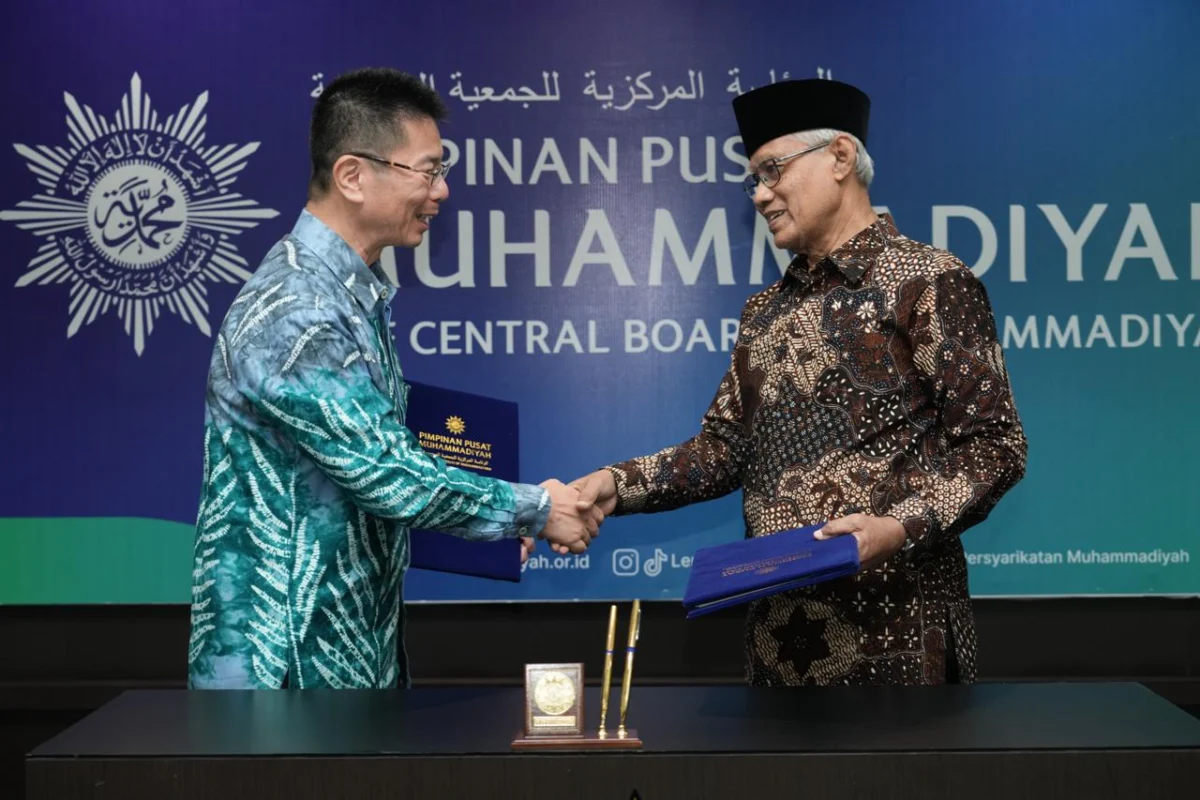
Yogyakarta, Indonesia witnessed a significant milestone in healthcare collaboration on Saturday, July 18, 2020, as Pimpinan Pusat (PP) Muhammadiyah, one of Indonesia’s largest Islamic organizations, officially entered into a strategic partnership with Japan’s esteemed Kaikoukai Healthcare Corporation. The landmark Memorandum of Understanding (MoU) was formalized during a signing ceremony held at the Central Muhammadiyah Office in Yogyakarta, with Professor Dr. Haedar Nashir, Chairman of PP Muhammadiyah, and Mr. Tetsuya Yamada, President of Kaikoukai Healthcare Corporation, affixing their signatures to the agreement. This alliance is poised to inject transformative advancements into Indonesia’s healthcare landscape, focusing on four critical pillars: hemodialysis services, comprehensive hospital development, specialized elderly care, and robust international exchange programs.
Deepening Bilateral Ties Through Healthcare Collaboration
The collaboration between Muhammadiyah and Kaikoukai is not merely a transactional agreement but a culmination of several years of sustained dialogue and mutual understanding, reflecting a shared vision for advancing public health. Professor Haedar Nashir underscored the profound alignment between Kaikoukai’s offerings and Muhammadiyah’s strategic objectives in the health sector. He emphasized that this partnership is set to deliver substantial benefits for Muhammadiyah’s strategic programs, which are inherently geared towards bolstering the nation’s health infrastructure and public welfare. The Chairman highlighted the historical and cultural proximity between Indonesia and Japan, noting the strong interpersonal bonds and shared values, such as discipline and hospitality, that serve as a crucial foundation for enduring collaboration. "Japan has become a close brother, having interacted with Indonesia for a long time. The friendly culture of Japan also has a closeness with Indonesian culture," Professor Nashir remarked during the ceremony. This sentiment underscores the belief that cultural synergy will facilitate smoother integration and more effective implementation of the joint initiatives.
Muhammadiyah, with its extensive network of Rumah Sakit Muhammadiyah-’Aisyiyah (RSMA) and clinics spread across the archipelago, has long been a pillar of healthcare provision in Indonesia. The organization’s commitment to social welfare dates back to its inception in 1912, with healthcare and education being core tenets of its mission. Kaikoukai Healthcare Corporation, on the other hand, brings to the table cutting-edge medical technology, advanced management practices, and a wealth of experience from one of the world’s most sophisticated healthcare systems. The synergy between Muhammadiyah’s broad reach and Kaikoukai’s specialized expertise is expected to create a powerful engine for innovation and progress in Indonesian healthcare.
The Four Pillars of Transformative Healthcare
The strategic partnership is structured around four key areas, each designed to address pressing healthcare needs and foster sustainable development:
-
Development of Hemodialysis Services: Chronic kidney disease (CKD) represents a growing public health challenge in Indonesia, with an increasing number of patients requiring regular hemodialysis. Access to high-quality and affordable dialysis services remains a critical concern in many regions. Kaikoukai Healthcare Corporation is renowned for its excellence in hemodialysis, boasting impressive patient outcomes. Mr. Tetsuya Yamada highlighted that Kaikoukai’s facilities achieve a survival rate of over 70 percent for patients undergoing hemodialysis for more than five years, a benchmark considered among the best in Japan. This achievement is particularly significant given that a substantial portion of hemodialysis patients suffer from complications arising from diabetes, a prevalent condition in Indonesia. Through this collaboration, Muhammadiyah aims to leverage Kaikoukai’s advanced techniques, protocols, and training methodologies to elevate the standard of hemodialysis care within its RSMA network. This will involve technology transfer, staff training, and the establishment of new, or the enhancement of existing, hemodialysis units, thereby improving access and quality of life for countless Indonesian patients.
-
Comprehensive Hospital Development: Beyond specialized services, the MoU encompasses a broader scope of hospital development. This pillar is critical for modernizing Muhammadiyah’s existing healthcare infrastructure and ensuring its hospitals are equipped to meet future demands. This can include improvements in medical equipment, adoption of advanced surgical techniques, enhancement of patient management systems, and the implementation of Japanese best practices in hospital administration and operational efficiency. The goal is not merely to expand capacity but to elevate the overall quality of care, making RSMA facilities centers of excellence that are technologically advanced, patient-centric, and highly efficient. Professor Haedar Nashir has already urged various Muhammadiyah-’Aisyiyah Hospitals to embrace the programs developed by Kaikoukai, signaling a clear institutional commitment to this transformative agenda.
-
Advanced Elderly Care Services: Japan faces the challenges of an aging society, leading to a highly developed and specialized sector for elderly care. This experience is invaluable for Indonesia, which, while younger, is also experiencing a demographic shift towards an older population. The increasing number of senior citizens necessitates specialized care facilities, trained caregivers, and comprehensive support systems. Kaikoukai’s expertise in geriatric care and its robust system for managing elderly care facilities will provide Muhammadiyah with a blueprint for developing similar services in Indonesia. Mr. Yamada noted that a significant number of caregivers working in Kaikoukai’s facilities are from Indonesia, underscoring the natural fit for this collaboration. This pillar aims to establish and improve services for the elderly within Muhammadiyah’s social institutions, potentially creating training programs for Indonesian caregivers who can serve both local needs and contribute to the demand for skilled caregivers in Japan. This provides a dual benefit: addressing domestic needs and creating international career opportunities for Indonesian youth.
-
International Programs and Exchange: This pillar extends the partnership beyond direct patient care to encompass broader institutional and human resource development. It includes programs for medical staff exchange, where Indonesian doctors, nurses, and administrators can gain exposure to Japanese medical practices and technologies, while Japanese experts can share their knowledge in Indonesia. Student exchange programs are also envisioned, fostering future generations of healthcare professionals with a global perspective. Furthermore, this collaboration is expected to strengthen Muhammadiyah’s international presence, particularly its Pimpinan Cabang Istimewa Muhammadiyah (PCIM) in Japan. Professor Nashir expressed hope that this partnership would positively impact the management and development of Muhammadiyah’s branch in Japan, enhancing its role as a cultural and community hub for Indonesians living there, and as a bridge for further bilateral engagement.
Statements from Leadership and Broader Implications
Professor Haedar Nashir articulated a vision for transformation, not mere revitalization, in Indonesia’s healthcare sector. He emphasized that the four pillars championed by Mr. Yamada reinforce Muhammadiyah’s ongoing progressive initiatives. "Without progressive steps, we will not have advanced and progressive health institutions," he stated, highlighting the strategic importance of this alliance in elevating the quality of Muhammadiyah’s healthcare services. He stressed the imperative for concrete follow-up actions to translate the MoU into tangible programs that deliver real impact.
Mr. Tetsuya Yamada, expressing his delight at the partnership, reiterated the foundational role of the four pillars in strengthening not only the healthcare collaboration but also the broader relationship between Indonesia and Japan. He specifically highlighted Kaikoukai’s management of four prominent hospitals: Nagoya Kyoritsu Hospital, Kaikoukai Rehabilitation Hospital, and Kaikoukai Josai Hospital, all located in Nagoya, along with Toshima Chuo Hospital in Tokyo. These institutions serve as a testament to Kaikoukai’s comprehensive capabilities across various medical specialties. Yamada’s keen observation regarding Japan’s aging society and the increasing demand for healthcare professionals and caregivers underscored a key area of mutual benefit. He openly expressed his desire to see more graduates from Muhammadiyah’s universities pursue careers in Japan, acknowledging the high quality and dedication of Indonesian caregivers already working with Kaikoukai. This sentiment hints at a future pathway for skilled Indonesian youth, offering them international exposure and career growth while simultaneously addressing Japan’s demographic challenges.
Supporting Data and Contextual Analysis
The collaboration arrives at a critical juncture for Indonesia’s healthcare system. Data from the Ministry of Health consistently indicates a rising prevalence of non-communicable diseases, including diabetes and chronic kidney disease. The need for advanced hemodialysis facilities is acute, with existing services often struggling to meet demand, particularly in remote areas. Muhammadiyah’s expansive network of over 100 hospitals and hundreds of clinics across Indonesia positions it uniquely to implement large-scale health interventions. Integrating Kaikoukai’s expertise into this vast network has the potential to dramatically improve access to specialized care for millions.
Furthermore, Indonesia, like many developing nations, is on the cusp of a demographic shift. While still a relatively young country, the elderly population is growing, projected to reach significant numbers in the coming decades. Preparing for this "aging society" by establishing robust elderly care systems is proactive and essential. Japan’s experience, where nearly 30% of the population is aged 65 or older, offers invaluable lessons in policy, infrastructure, and human resource development for geriatric care. This partnership can equip Indonesia with the foresight and tools to address these future challenges effectively.
Economically, the partnership fosters job creation, both directly within the healthcare sector in Indonesia and through overseas employment opportunities for caregivers in Japan. Remittances from these overseas workers contribute significantly to the Indonesian economy. Moreover, the transfer of medical technology and management know-how can boost the efficiency and innovation capacity of Indonesia’s domestic healthcare industry, potentially reducing reliance on imported medical services and fostering local expertise.
Challenges and Future Outlook
While the prospects are immensely promising, successful implementation will require navigating several challenges. These include ensuring consistent funding for new initiatives, adapting Japanese medical practices and technologies to the Indonesian context, overcoming potential language and cultural barriers in training and exchange programs, and aligning with Indonesian regulatory frameworks. Effective project management, continuous monitoring, and transparent communication will be vital to sustaining the momentum generated by the MoU.
Looking ahead, this strategic partnership between Muhammadiyah and Kaikoukai Healthcare Corporation represents a pioneering model for international collaboration in healthcare. It moves beyond traditional aid models towards a reciprocal relationship built on mutual strengths and shared objectives. By focusing on critical areas like hemodialysis, hospital modernization, and elderly care, while simultaneously fostering international exchange, the alliance is set to make a profound and lasting impact on Indonesia’s public health landscape. It serves as a testament to the power of cross-cultural partnership in driving progress and building a healthier, more resilient future for nations. The commitment from both Professor Haedar Nashir and Mr. Tetsuya Yamada to transform this agreement into concrete programs signals a robust and forward-looking approach, aiming to create advanced, progressive health institutions that serve the welfare of the Indonesian people and strengthen the bonds between two friendly nations.