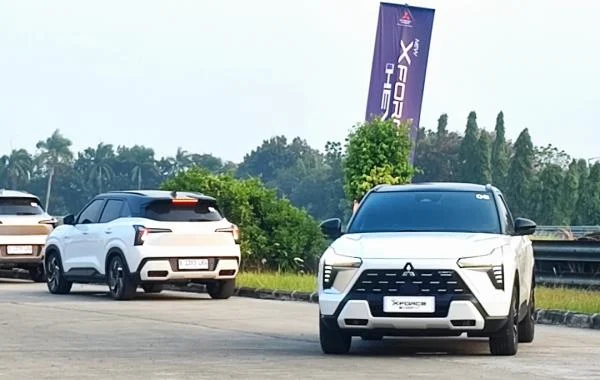
JAKARTA, Indonesia – Mitsubishi has officially launched the New Xforce HEV (hybrid electric vehicle) in Indonesia, positioning it as the flagship variant within the Xforce lineup, which also includes the Ultimate and Exceed models. This introduction marks a significant step for the Japanese automaker in expanding its electrified offerings in the Indonesian market, a region experiencing a burgeoning demand for sustainable and technologically advanced vehicles.
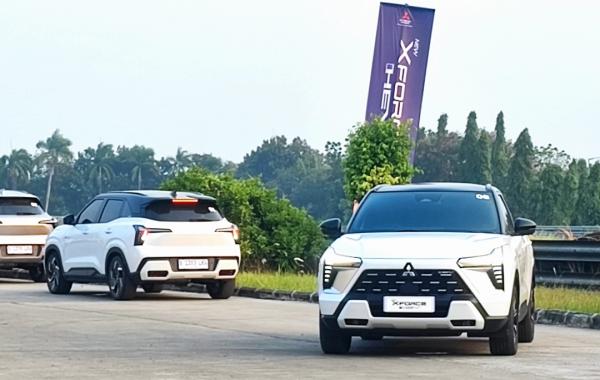
A team of iNews.id journalists had the opportunity to experience the New Xforce HEV firsthand, subjecting it to a rigorous test drive that encompassed a diverse range of Indonesian terrains. This included navigating the bustling urban environments of Jakarta, cruising on the open toll roads, traversing challenging unpaved village roads, and performing maneuvers on a dedicated testing track. The objective was to comprehensively evaluate the vehicle’s updated features, comfort levels, and overall performance characteristics.
Distinguishing Design Elements of the HEV Variant
The New Xforce HEV immediately distinguishes itself from its non-hybrid siblings through a series of carefully integrated design cues that underscore its electrified identity and more contemporary aesthetic. These enhancements are not merely cosmetic; they signify the incorporation of advanced hybrid technology. Key visual differentiators include:
- 18-inch Unique HEV Wheel Design: The bespoke alloy wheels are specifically designed to complement the hybrid powertrain, potentially optimizing aerodynamics and contributing to the vehicle’s distinctive profile.
- Hybrid EV Badges: Prominently displayed on the sides of the vehicle, these badges serve as clear indicators of its electrified powertrain.
- HEV Badges (Front and Rear): Further reinforcing its hybrid status, these badges are strategically placed on both the front and rear of the vehicle, ensuring clear identification.
- Front Grille Accent: Subtle yet effective, the accent on the front grille adds a touch of sophistication and modernity.
- Rear Combination Lamp Clear Smoke Type: The updated rear lighting cluster, featuring a clear smoke finish, contributes to a sleeker and more refined rear profile.
- Electric Shifter: The integration of an electric shifter signifies a modernization of the interior controls, often associated with hybrid and electric vehicle technology, offering a more seamless and intuitive user experience.
These design elements collectively contribute to a more premium and technologically forward appearance, setting the New Xforce HEV apart and appealing to consumers seeking vehicles that are both stylish and environmentally conscious.
Commitment to Indonesian Consumer Needs
Atsushi Kurita, President Director of PT Mitsubishi Motors Krama Yudha Sales Indonesia (MMKSI), emphasized the strategic importance of this launch for the Indonesian market. "The New Xforce and New Xforce HEV are tangible manifestations of Mitsubishi Motors’ unwavering commitment to continuous product refinement," Kurita stated during the launch event in Jakarta on Friday, July 18, 2026. He further elaborated that this commitment stems from a deep understanding and responsiveness to the evolving needs and lifestyles of Indonesian customers.
Kurita highlighted that the enhancements introduced in the New Xforce HEV extend beyond mere aesthetic upgrades and feature additions. The core focus, he explained, is on delivering a holistic driving experience that prioritizes comfort, instills confidence, and offers superior performance. These improvements are designed to effectively support the daily mobility requirements of Indonesian drivers, acknowledging the diverse driving conditions and demands of the archipelago.
A Comprehensive Driving Experience: First Impressions
The journalist’s test drive provided a valuable opportunity to assess the practical implications of the New Xforce HEV’s advancements. The combination of city driving, highway cruising, and off-the-beaten-path exploration allowed for a well-rounded evaluation.
- Urban Agility and Efficiency: In the dense urban traffic of Jakarta, the hybrid powertrain demonstrated its potential for improved fuel efficiency. The seamless transition between electric and gasoline power sources would likely contribute to reduced fuel consumption and lower emissions in stop-and-go traffic. The compact SUV form factor is also well-suited for navigating narrow streets and finding parking in congested urban areas.
- Highway Performance and Stability: On the toll roads, the New Xforce HEV was expected to offer a comfortable and stable ride, with adequate power for overtaking maneuvers. The integration of a hybrid system often results in a quieter cabin experience at higher speeds compared to conventional gasoline engines, further enhancing passenger comfort.
- Off-Road Capability and Ride Comfort: The inclusion of unpaved village roads in the test route was crucial for evaluating the vehicle’s suspension and overall robustness. Mitsubishi has historically emphasized the durability and capability of its SUVs, and the Xforce is no exception. The ability to handle uneven surfaces with composure, without compromising ride comfort for occupants, would be a significant advantage in diverse Indonesian landscapes.
- Testing Track Evaluation: Performance on a dedicated testing track would have allowed for a more controlled assessment of handling dynamics, braking performance, and acceleration capabilities. This environment is ideal for pushing the vehicle’s limits and understanding its dynamic prowess.
Background and Market Context

The introduction of the New Xforce HEV comes at a pivotal moment for the automotive industry in Indonesia. The Indonesian government has been actively promoting the adoption of electric vehicles (EVs) and hybrid vehicles through various incentives and policy frameworks. This includes tax breaks and subsidies aimed at encouraging consumers to transition to more sustainable transportation options.
The automotive market in Indonesia is one of Southeast Asia’s largest, with a strong preference for SUVs and MPVs that cater to family needs and diverse road conditions. Mitsubishi has a long-standing presence and a loyal customer base in Indonesia, with models like the Pajero Sport and Xpander having achieved significant market success. The Xforce, in its various iterations, aims to capture a segment of the growing compact SUV market, and the HEV variant specifically targets consumers who are environmentally conscious and seeking the benefits of electrification without the range anxiety often associated with pure EVs.
The hybrid powertrain offers a compelling middle ground, providing improved fuel economy and reduced emissions compared to traditional internal combustion engine vehicles, while still relying on gasoline for longer journeys. This "best of both worlds" approach is particularly attractive in markets where charging infrastructure for pure EVs is still developing.
Technical Specifications and Expected Enhancements
While specific technical details regarding the hybrid system’s battery capacity, electric motor power, and combined output were not extensively detailed in the initial announcement, it is reasonable to expect that the HEV system would be designed to optimize both performance and fuel efficiency. Hybrid vehicles typically employ a combination of an internal combustion engine and one or more electric motors. The system intelligently switches between these power sources or uses them in tandem to achieve the most efficient operation for the given driving conditions.
Key areas of enhancement in a hybrid variant usually include:

- Regenerative Braking: Capturing energy normally lost as heat during braking and converting it into electrical energy to recharge the battery.
- Electric-Only Driving: The ability to operate solely on electric power at low speeds or for short distances, significantly reducing emissions and noise pollution in urban environments.
- Engine Assist: The electric motor can provide additional power to the gasoline engine during acceleration, improving performance and reducing the load on the combustion engine.
- Start-Stop System: Automatically shutting off the engine when the vehicle is stationary (e.g., at traffic lights) and restarting it instantly when needed, further saving fuel.
The integration of these technologies is expected to translate into a noticeable improvement in the New Xforce HEV’s overall fuel economy compared to its gasoline-only counterparts. This is a critical factor for consumers in Indonesia, where fuel costs can be a significant consideration.
Broader Impact and Implications
The launch of the New Xforce HEV has several broader implications for the Indonesian automotive landscape:
- Accelerating Electrification Trend: Mitsubishi’s investment in bringing a hybrid variant to the Indonesian market signals a growing confidence in the region’s receptiveness to electrified vehicles. This could encourage other manufacturers to accelerate their own electrification strategies in the country.
- Consumer Choice Expansion: The HEV variant provides Indonesian consumers with a wider array of choices, catering to those who are not yet ready for a full EV but are keen to embrace more sustainable automotive technology.
- Technological Advancement: The introduction of advanced hybrid technology in a popular segment like compact SUVs can help to normalize and demystify electrified powertrains for a wider audience.
- Environmental Benefits: Increased adoption of hybrid vehicles, even in smaller numbers, contributes to reducing overall carbon emissions and improving air quality in urban centers, aligning with national and global environmental goals.
- Competitive Landscape: The New Xforce HEV is set to compete in a dynamic and increasingly competitive segment. Its success will depend on its pricing, performance, fuel efficiency, and overall value proposition against rivals from other established automakers.
Official Statements and Future Outlook
PT Mitsubishi Motors Krama Yudha Sales Indonesia (MMKSI) has consistently expressed its dedication to providing innovative and customer-centric mobility solutions. The company’s proactive approach to introducing hybrid technology underscores its long-term vision for the Indonesian market, which likely includes further expansion of its electrified vehicle portfolio.
While the initial focus is on the New Xforce HEV, it is anticipated that Mitsubishi will continue to monitor market response and technological advancements. The company’s global strategy often involves adapting its product offerings to local market demands and regulatory environments. Therefore, the successful reception of this HEV model could pave the way for future introductions of fully electric vehicles or more advanced hybrid powertrains in Indonesia.
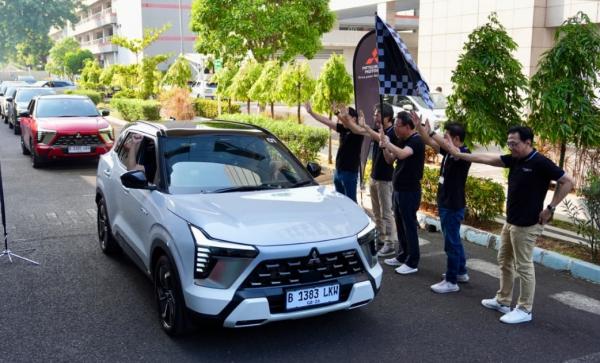
The launch event, held on Friday, July 18, 2026, served as a platform for MMKSI to reiterate its commitment to the Indonesian market and to showcase its latest offering that aligns with global trends towards sustainable mobility. The company’s strategy appears to be a balanced approach, offering hybrid technology as an accessible entry point into electrification while simultaneously observing the broader adoption of pure EVs.
In conclusion, the arrival of the Mitsubishi New Xforce HEV in Indonesia represents more than just the introduction of a new vehicle; it signifies a strategic move by a major automaker to embrace and drive the electrification trend in one of Asia’s most significant automotive markets. The vehicle’s blend of distinctive design, advanced hybrid technology, and a commitment to delivering a superior driving experience positions it as a compelling option for Indonesian consumers seeking a modern, efficient, and capable compact SUV.